

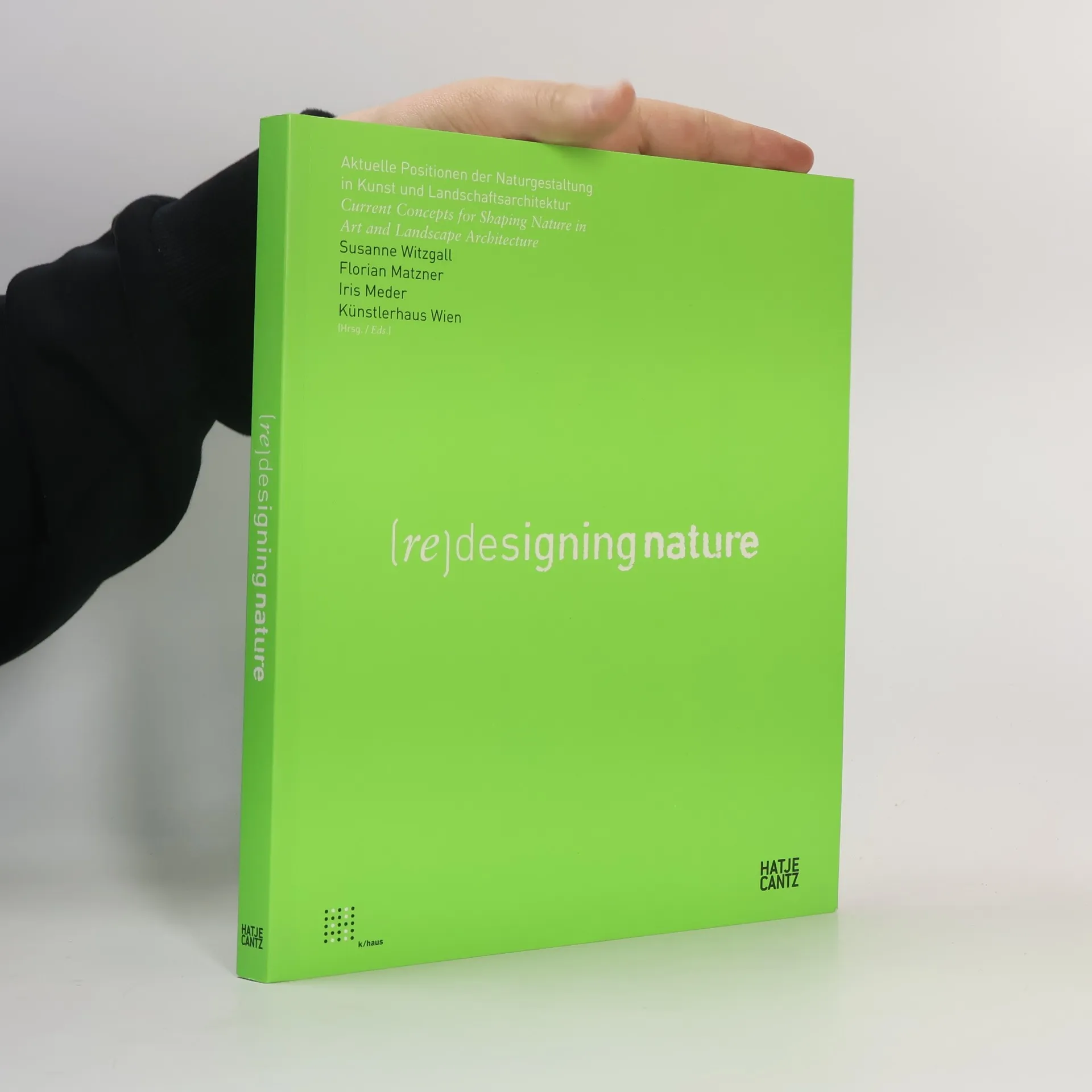
Re-Designing Nature
Parameters
- 205 pages
- 8 hours of reading
More about the book
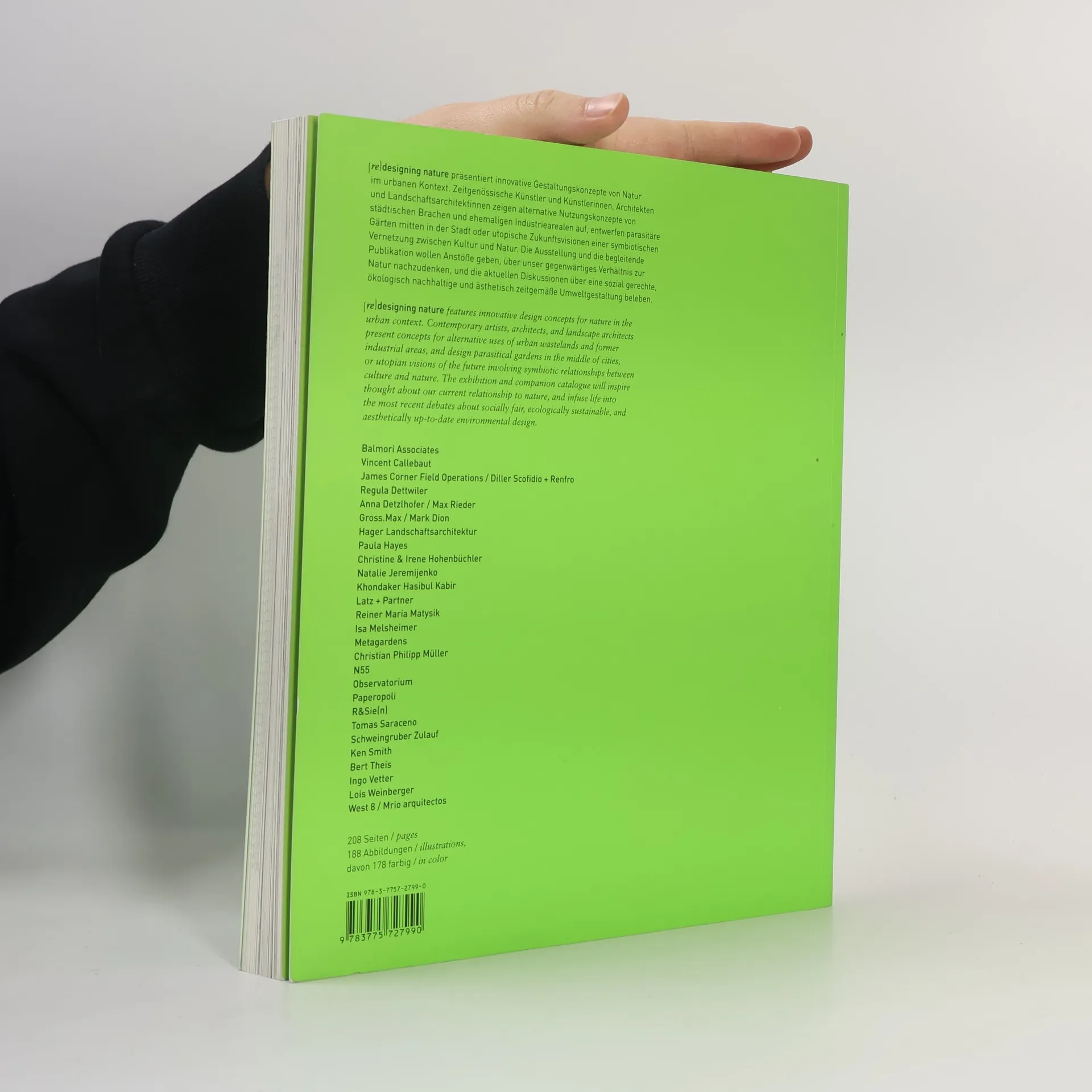
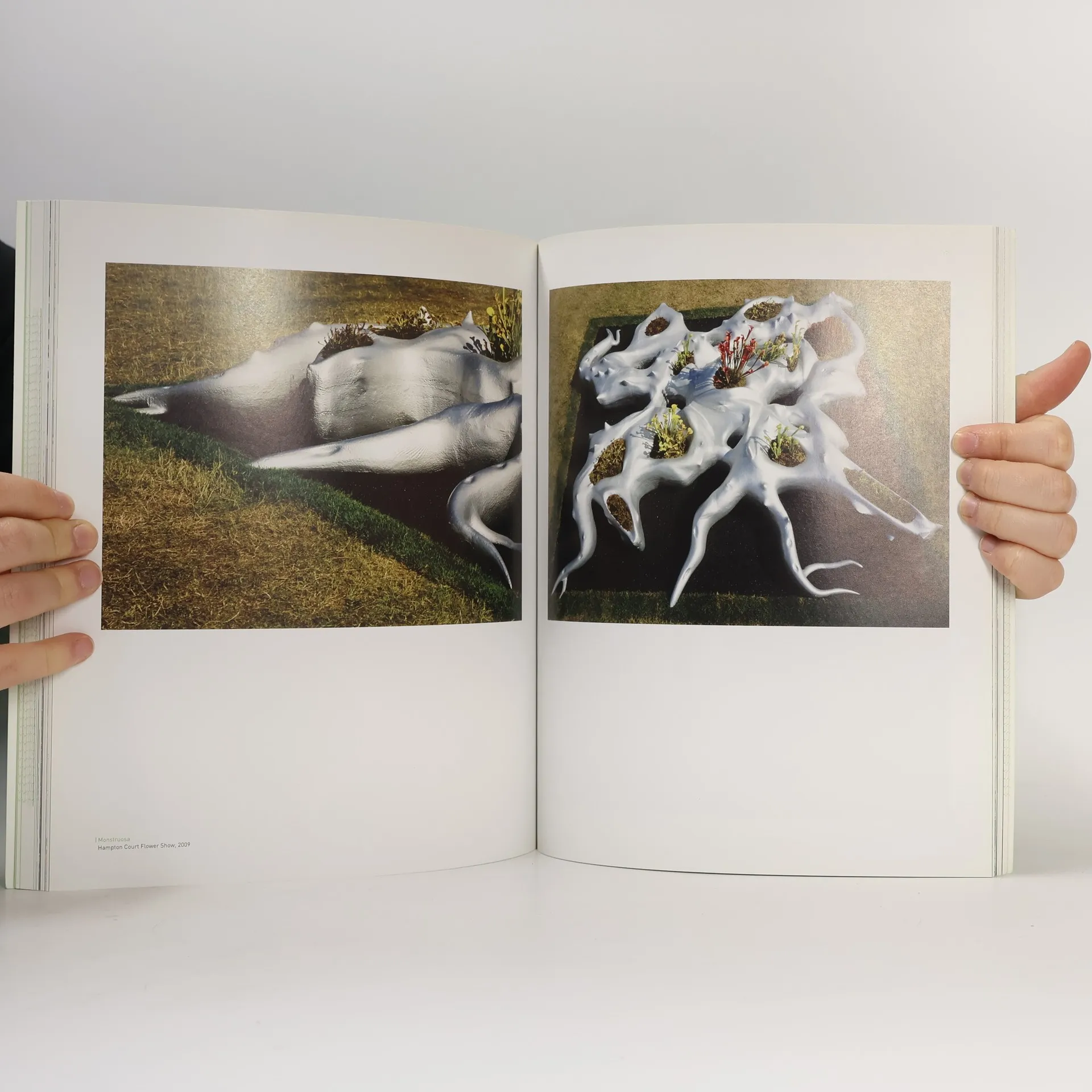
Zones in which nature can offset the tyranny of the built environment are an essential part of any satisfying urban experience, aesthetically and ecologically. ( Re)Designing Nature presents innovative design concepts for enhancing the presence and presentation of nature in cities. Inspiring its readers to contemplate our current relationship to nature, it animates debates about ecologically sustainable and aesthetically intelligent environmental design. In particular, the twin phenomena of rapidly shrinking cities and rapidly expanding megacities call for new models for the intercession and housing of urban nature. Artists and landscape architects offer proposals for alternative uses of empty city lots and old industrial areas, designing parasitical gardens in the middle of the city or utopian visions for a greater symbiosis of culture and nature. Maria Auböck, Susanne Hauser, Florian Matzner, Iris Meder, Bruno De Meulder, Kelly Shannon and Susanne Witzgall discuss various aspects of the project.
Book purchase
Re-Designing Nature, Florian Matzner, Susanne Witzgall, Iris Meder, Künstlerhaus Wien
- Language

- Released
- 2011
- Binding
- (Paperback)
Payment methods
No one has rated yet.
- Title
- Re-Designing Nature
- Language
- English
- Publisher
- Hatje Cantz
- Released
- 2011
- Format
- Paperback
- Pages
- 205
- ISBN10
- 377572799X
- ISBN13
- 9783775727990
- Series
- Description
- Zones in which nature can offset the tyranny of the built environment are an essential part of any satisfying urban experience, aesthetically and ecologically. ( Re)Designing Nature presents innovative design concepts for enhancing the presence and presentation of nature in cities. Inspiring its readers to contemplate our current relationship to nature, it animates debates about ecologically sustainable and aesthetically intelligent environmental design. In particular, the twin phenomena of rapidly shrinking cities and rapidly expanding megacities call for new models for the intercession and housing of urban nature. Artists and landscape architects offer proposals for alternative uses of empty city lots and old industrial areas, designing parasitical gardens in the middle of the city or utopian visions for a greater symbiosis of culture and nature. Maria Auböck, Susanne Hauser, Florian Matzner, Iris Meder, Bruno De Meulder, Kelly Shannon and Susanne Witzgall discuss various aspects of the project.