

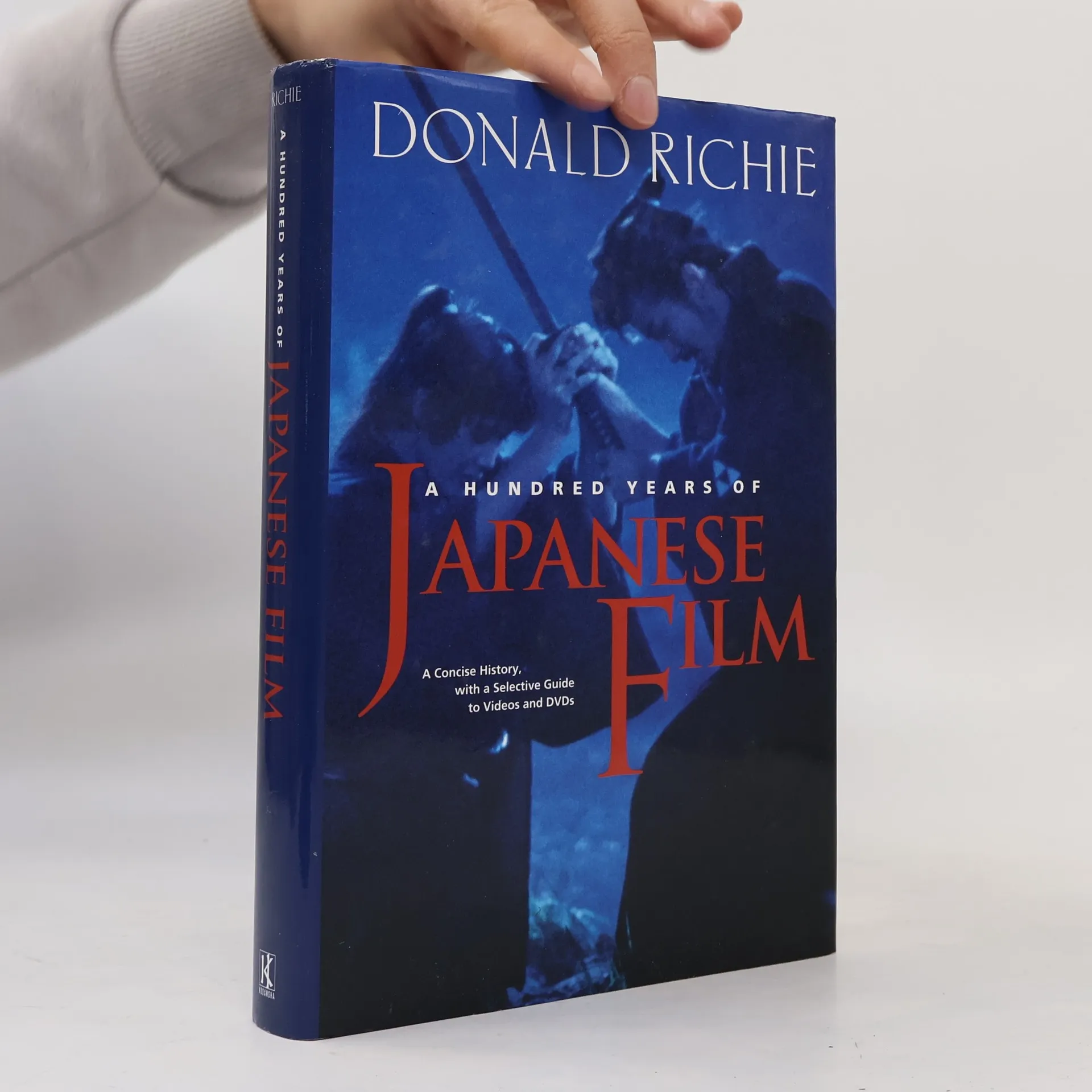


A Hundred Years of Japanese Film
A Concise History
Authors
Book rating
More about the book
In A Hundred Years of Japanese Films , Richie offers an insider's look at the achievements of Japanese filmmakers. He begins in the late 1800s, when the industry took its inspiration from the traditional stories of Kabuki and Noh theater, and finishes in the present with the latest award-winning dramas showcased at Cannes. In between, Richie explores the roots of Japan's contribution to world cinema. He discusses the careers of Japan's rising stars and celebrated directors, and also offers a fascinating view of the strategies and politics of the movie studios themselves. A selective guide in the book's second part provides capsule reviews of the major Japanese films available in VHS and DVD formats, as well as those televised on standard and cable channels.
Book purchase
A Hundred Years of Japanese Film, Donald Richie, Paul Schrader
- Language

- Released
- 2001
- Binding
- (Hardcover)
Payment methods
We’re missing your review here.
- Title
- A Hundred Years of Japanese Film
- Subtitle
- A Concise History
- Language
- English
- Authors
- Donald Richie, Paul Schrader
- Publisher
- Kodansha USA
- Released
- 2001
- Format
- Hardcover
- Pages
- 311
- ISBN10
- 477002682X
- ISBN13
- 9784770026828
- Series
- Categories
- Tags
- Historical Themes, References & Manuals, Filmthema, Japan, Japanese Literature, Media Tie-In, Performing Arts
- Rating
- 3.95 out of 5
- Description
- In A Hundred Years of Japanese Films , Richie offers an insider's look at the achievements of Japanese filmmakers. He begins in the late 1800s, when the industry took its inspiration from the traditional stories of Kabuki and Noh theater, and finishes in the present with the latest award-winning dramas showcased at Cannes. In between, Richie explores the roots of Japan's contribution to world cinema. He discusses the careers of Japan's rising stars and celebrated directors, and also offers a fascinating view of the strategies and politics of the movie studios themselves. A selective guide in the book's second part provides capsule reviews of the major Japanese films available in VHS and DVD formats, as well as those televised on standard and cable channels.