

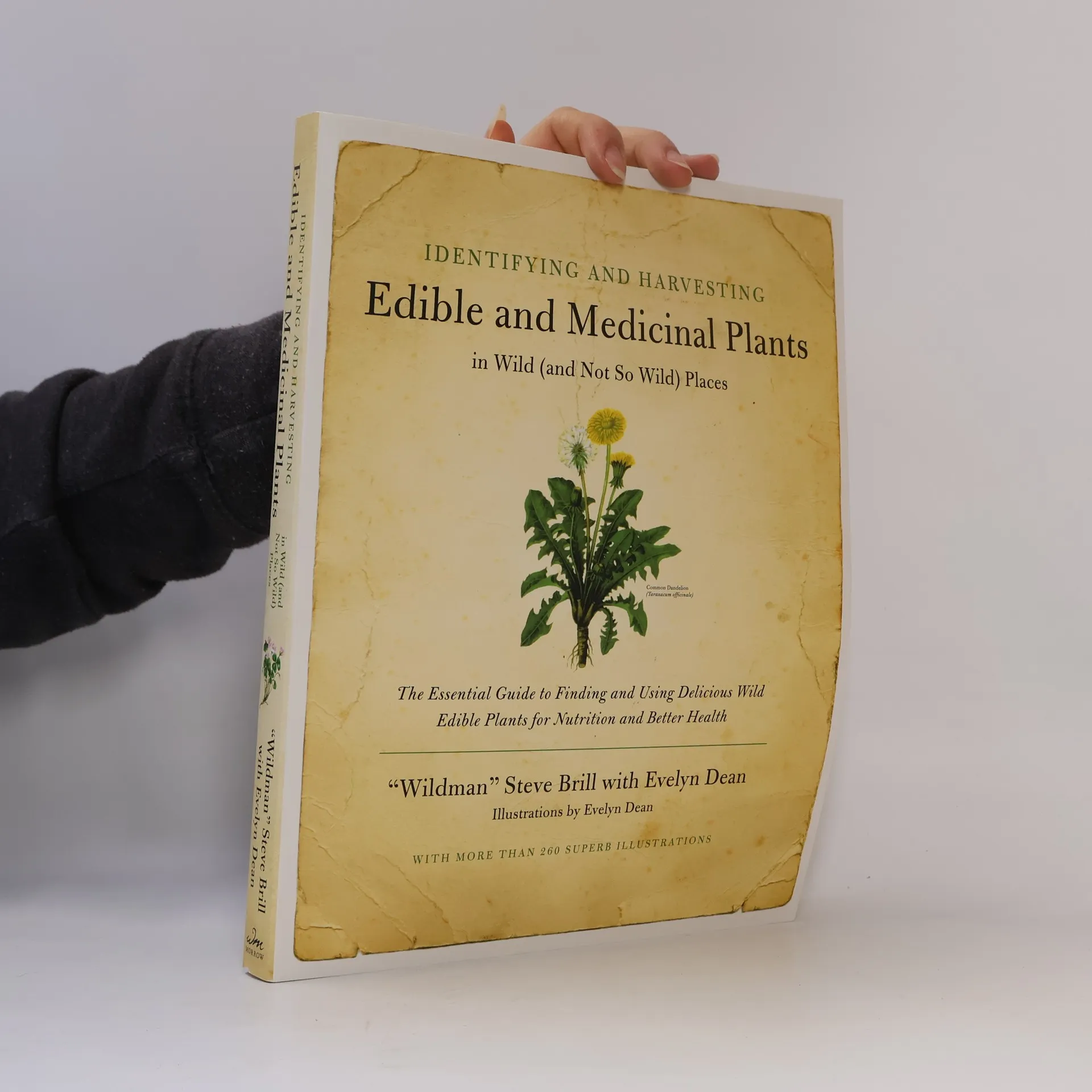
Identifying and Harvesting Edible and Medicinal Plants
Book rating
Parameters
- 336 pages
- 12 hours of reading
More about the book
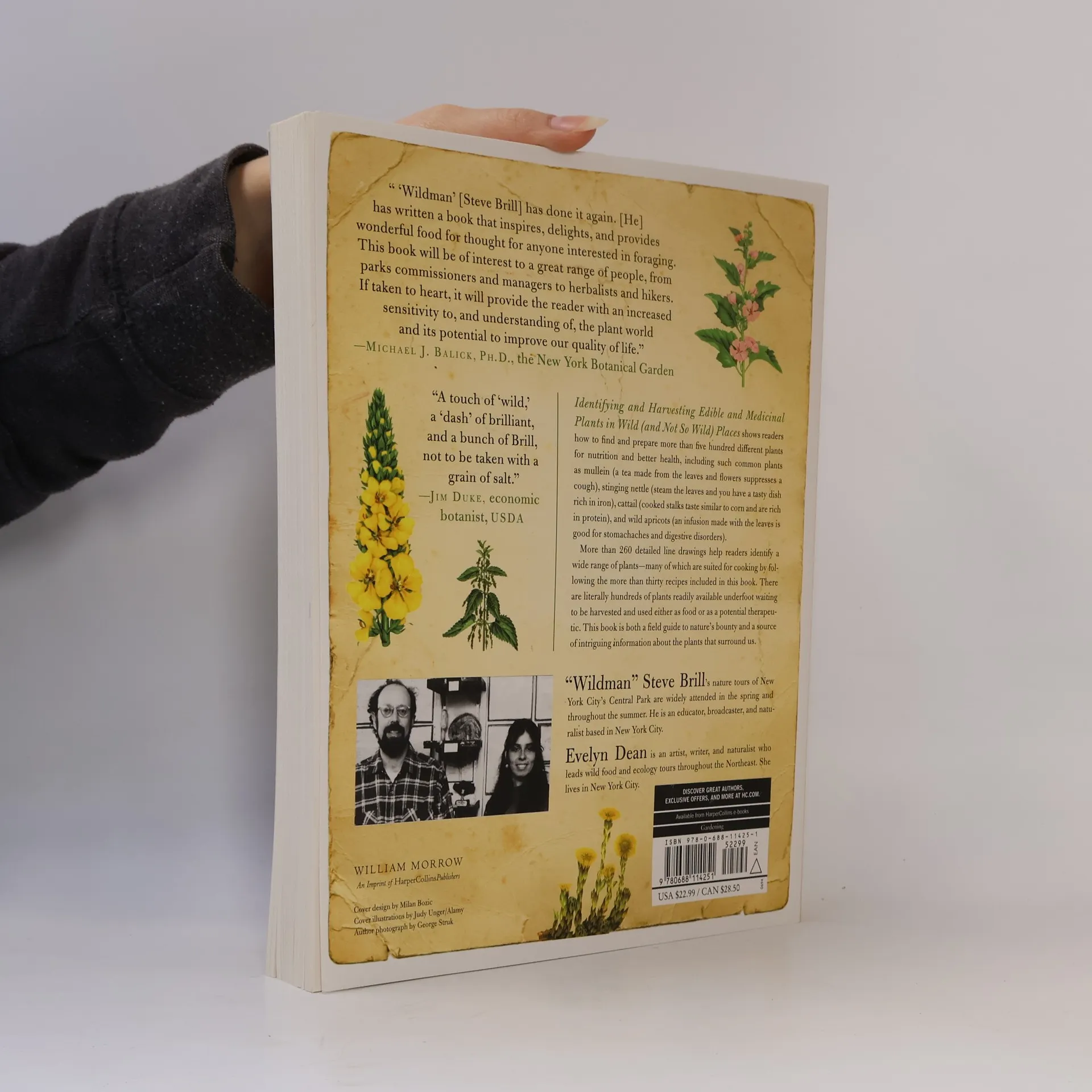
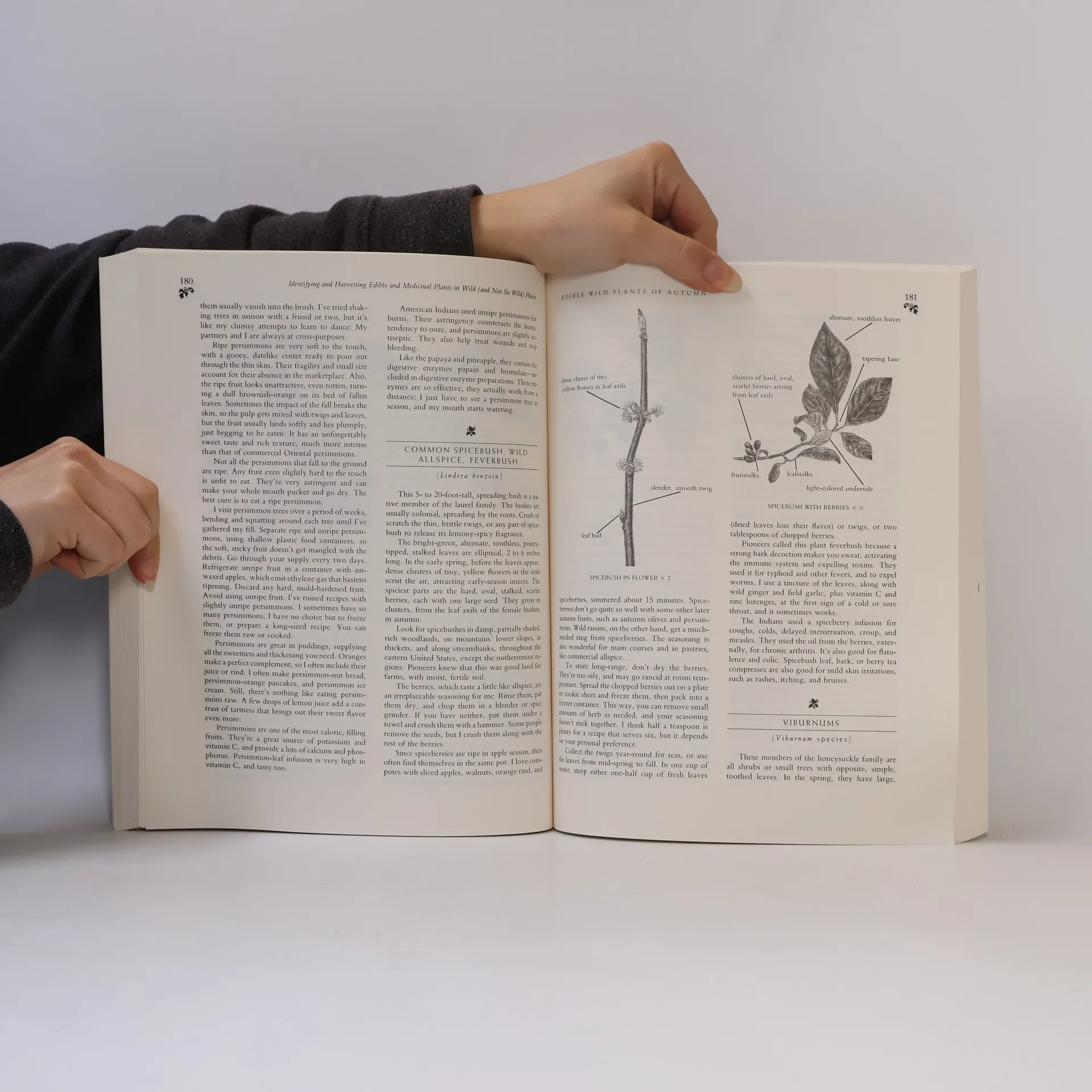
Identifying and Harvesting Edible and Medicinal Plants in Wild (and Not So Wild) Places shows readers how to find and prepare more than five hundred different plants for nutrition and better health. It includes information on common plants such as mullein (a tea made from the leaves and flowers suppresses a cough), stinging nettle (steam the leaves and you have a tasty dish rich in iron), cattail (cooked stalks taste similar to corn and are rich in protein), and wild apricots (an infusion made with the leaves is good for stomach aches and digestive disorders).More than 260 detailed line drawings help readers identify a wide range of plants -- many of which are suited for cooking by following the more than thirty recipes included in this book. There are literally hundreds of plants readily available underfoot waiting to be harvested and used either as food or as a potential therapeutic. This book is both a field guide to nature's bounty and a source of intriguing information about the plants that surround us.
Book purchase
Identifying and Harvesting Edible and Medicinal Plants, "Wildman" Steve Brill, Evelyn Dean
- Language

- Released
- 1994
- Binding
- (Paperback)
Payment methods
We’re missing your review here.
- Title
- Identifying and Harvesting Edible and Medicinal Plants
- Language
- English
- Authors
- "Wildman" Steve Brill, Evelyn Dean
- Publisher
- William Morrow Paperbacks
- Released
- 1994
- Format
- Paperback
- Pages
- 336
- ISBN10
- 0688114253
- ISBN13
- 9780688114251
- Series
- Categories
- Tags
- Nature, Cookbooks, References & Manuals, Spirituality, Science, USA, Health, Medicine, Plants, Food, Mind and Body, Survival, Natural Healing, Herbs
- Rating
- 4.2 out of 5
- Description
- Identifying and Harvesting Edible and Medicinal Plants in Wild (and Not So Wild) Places shows readers how to find and prepare more than five hundred different plants for nutrition and better health. It includes information on common plants such as mullein (a tea made from the leaves and flowers suppresses a cough), stinging nettle (steam the leaves and you have a tasty dish rich in iron), cattail (cooked stalks taste similar to corn and are rich in protein), and wild apricots (an infusion made with the leaves is good for stomach aches and digestive disorders).More than 260 detailed line drawings help readers identify a wide range of plants -- many of which are suited for cooking by following the more than thirty recipes included in this book. There are literally hundreds of plants readily available underfoot waiting to be harvested and used either as food or as a potential therapeutic. This book is both a field guide to nature's bounty and a source of intriguing information about the plants that surround us.