

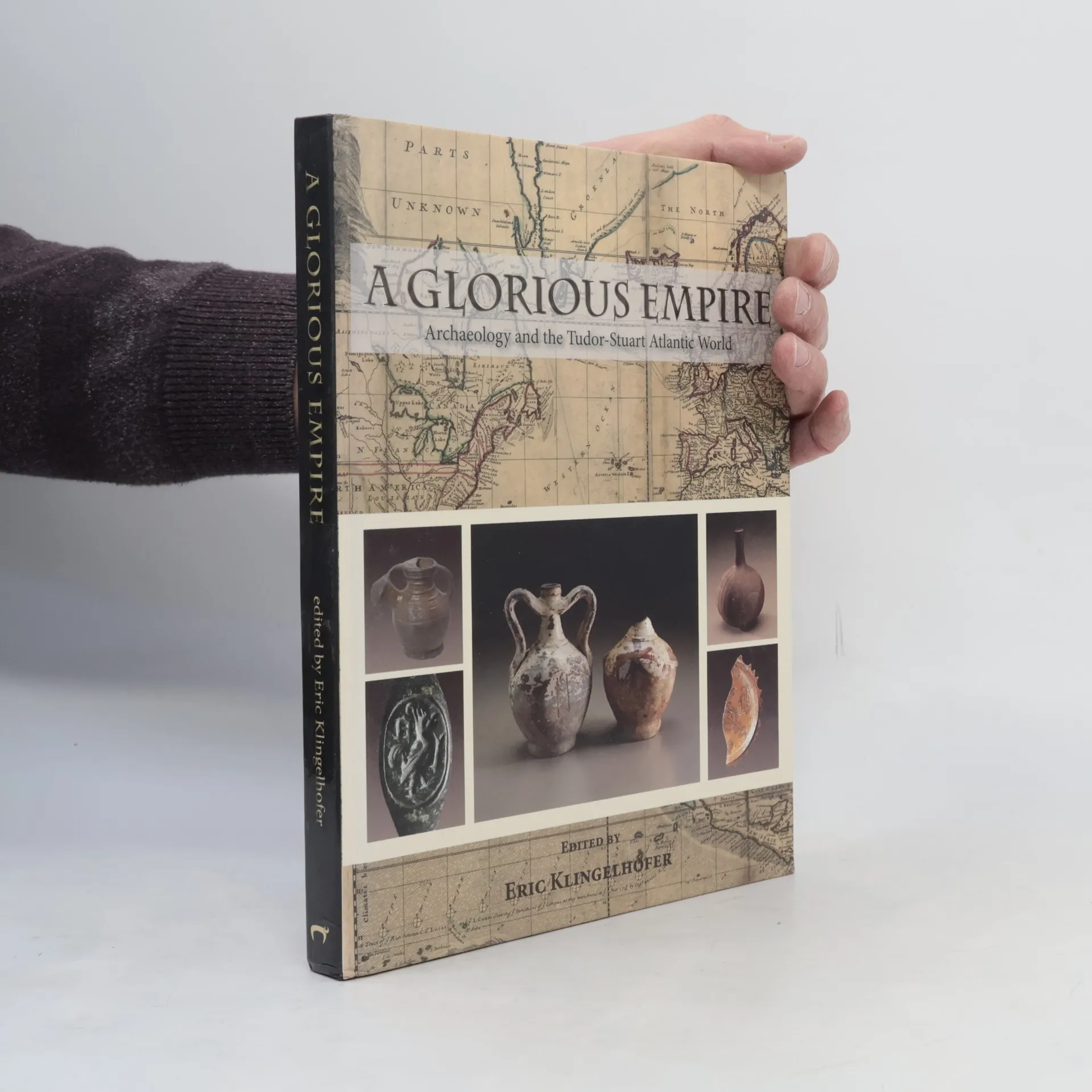
A Glorious Empire
Archaeology and the Tudor-Stuart Atlantic World : Essays in Honor of Ivor Noël Hume
Authors
Book rating
More about the book
Fifteen papers present the results of new research into various aspects of material culture and historical archaeology that reflect culture, trade and social interaction shared by Britain and Colonial America during the Tudor and Stuart periods. Recurrent themes include the use, significance and, in some cases, trade in specific types of pottery, including the ubiquitous stoneware flasks or canteens for sailors and solders on both sides of the Atlantic, and commodities such as wine and copper objects; the architectural history of manor houses and archaeology of plantations; aspects of the historical archaeology of Jamestown and Martins Hundred; the role of specific individuals in the development of Tudor-Stuart life and our new understanding of a London destroyed in the Great Fire based on Noel Humes rescue digs in a London destroyed by the Blitz. Overall the papers reflect the wide-ranging interests of Ivor Noel Hume, to whom the volume is dedicated.
Book purchase
A Glorious Empire, Eric C. Klingelhöfer
- Language

- Released
- 2013
- Binding
- (Hardcover)
Payment methods
We’re missing your review here.
- Title
- A Glorious Empire
- Subtitle
- Archaeology and the Tudor-Stuart Atlantic World : Essays in Honor of Ivor Noël Hume
- Language
- English
- Authors
- Eric C. Klingelhöfer
- Publisher
- Oxbow Books
- Released
- 2013
- Format
- Hardcover
- Pages
- 272
- ISBN10
- 1842175106
- ISBN13
- 9781842175101
- Series
- Rating
- 4 out of 5
- Description
- Fifteen papers present the results of new research into various aspects of material culture and historical archaeology that reflect culture, trade and social interaction shared by Britain and Colonial America during the Tudor and Stuart periods. Recurrent themes include the use, significance and, in some cases, trade in specific types of pottery, including the ubiquitous stoneware flasks or canteens for sailors and solders on both sides of the Atlantic, and commodities such as wine and copper objects; the architectural history of manor houses and archaeology of plantations; aspects of the historical archaeology of Jamestown and Martins Hundred; the role of specific individuals in the development of Tudor-Stuart life and our new understanding of a London destroyed in the Great Fire based on Noel Humes rescue digs in a London destroyed by the Blitz. Overall the papers reflect the wide-ranging interests of Ivor Noel Hume, to whom the volume is dedicated.