

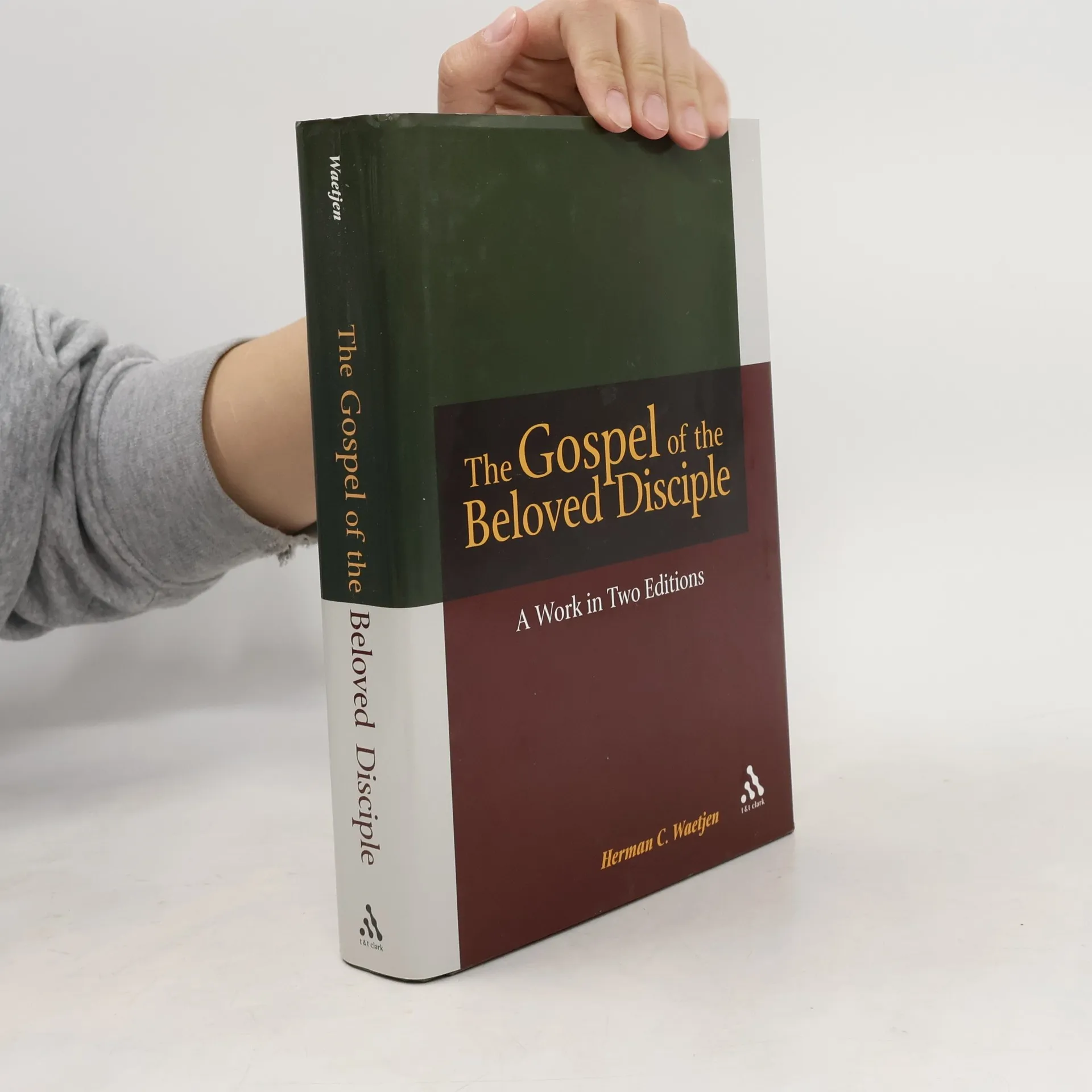


The Gospel of the Beloved Disciple
A Work in Two Editions
Authors
Book rating
More about the book
There is a general consensus that the Fourth Gospel underwent two editions, but Waetjen argues that these editions largely overlap without significant changes. Chapters 1-20 were created within the Jewish community of Alexandria to persuade Jews to "believe into" Jesus as the Messiah, while the second edition, marked by the addition of chapter 21, was crafted by an editor in the Christian community of Ephesus. This revision aimed to present the Gospel to Gentile Christians and potentially legitimize it for canonization. Waetjen conducts a close reading of various Gospel units, exploring a two-level drama that reveals two narrative worlds within its structure. A provocative conclusion he draws is that Lazarus is the Beloved Disciple in chapters 1-20, while John, the son of Zebedee, is suggested to fulfill this role in chapter 21 and throughout the Gospel. The editor of chapter 21 appears to project John's identity as the Beloved Disciple backward into the earlier chapters. Waetjen's meticulous scholarship and original readings challenge traditional interpretations of John's Gospel, offering new insights into its narrative and character dynamics.
Book purchase
The Gospel of the Beloved Disciple, Herman C Waetjen
- Language

- Released
- 2005
- Binding
- (Hardcover)
Payment methods
We’re missing your review here.
- Title
- The Gospel of the Beloved Disciple
- Subtitle
- A Work in Two Editions
- Language
- English
- Authors
- Herman C Waetjen
- Publisher
- T&T Clark
- Released
- 2005
- Format
- Hardcover
- Pages
- 468
- ISBN10
- 0567027813
- ISBN13
- 9780567027818
- Series
- Rating
- 3 out of 5
- Description
- There is a general consensus that the Fourth Gospel underwent two editions, but Waetjen argues that these editions largely overlap without significant changes. Chapters 1-20 were created within the Jewish community of Alexandria to persuade Jews to "believe into" Jesus as the Messiah, while the second edition, marked by the addition of chapter 21, was crafted by an editor in the Christian community of Ephesus. This revision aimed to present the Gospel to Gentile Christians and potentially legitimize it for canonization. Waetjen conducts a close reading of various Gospel units, exploring a two-level drama that reveals two narrative worlds within its structure. A provocative conclusion he draws is that Lazarus is the Beloved Disciple in chapters 1-20, while John, the son of Zebedee, is suggested to fulfill this role in chapter 21 and throughout the Gospel. The editor of chapter 21 appears to project John's identity as the Beloved Disciple backward into the earlier chapters. Waetjen's meticulous scholarship and original readings challenge traditional interpretations of John's Gospel, offering new insights into its narrative and character dynamics.