

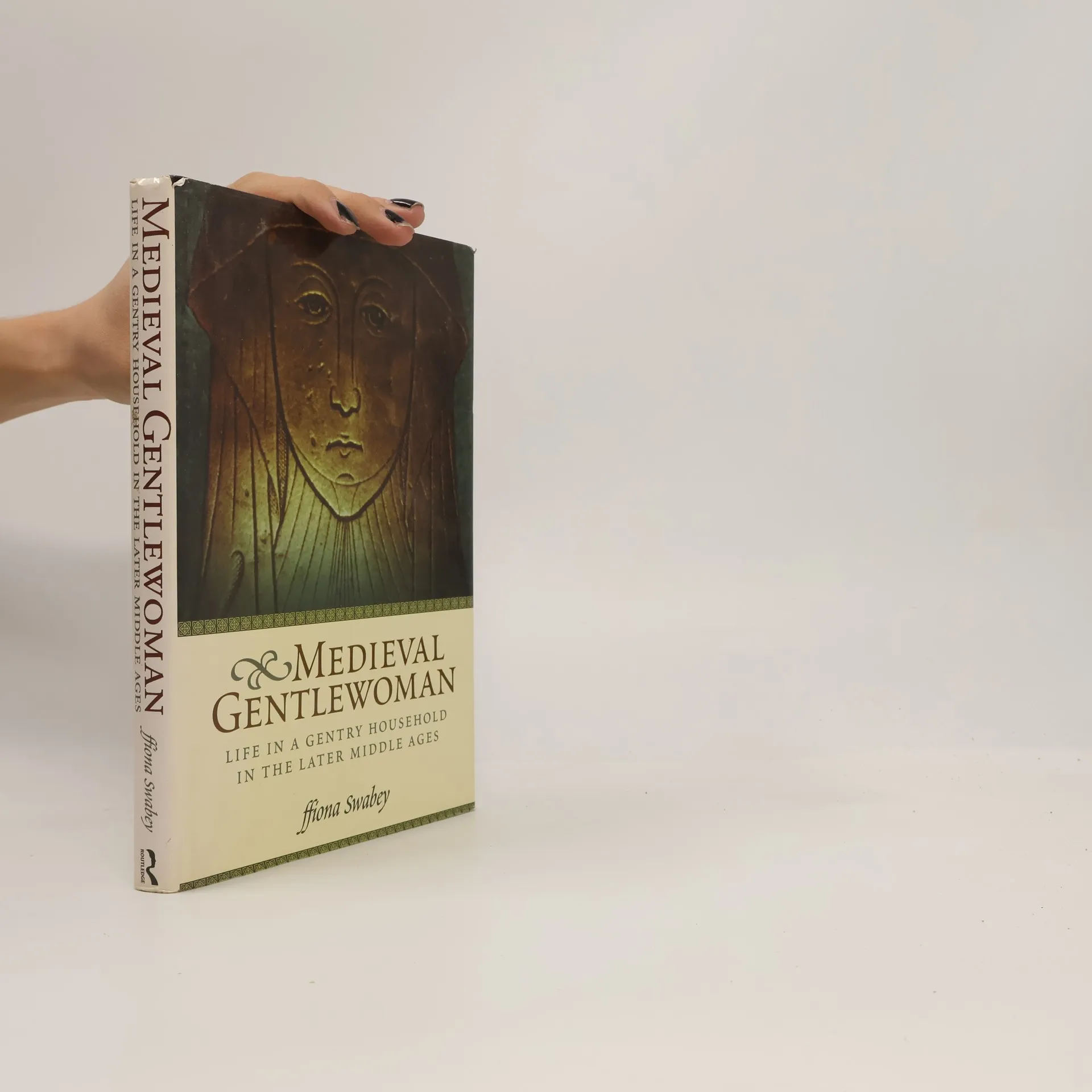
Medieval Gentlewoman
Life in a Gentry Household in the Later Middle Ages
Authors
Book rating
More about the book
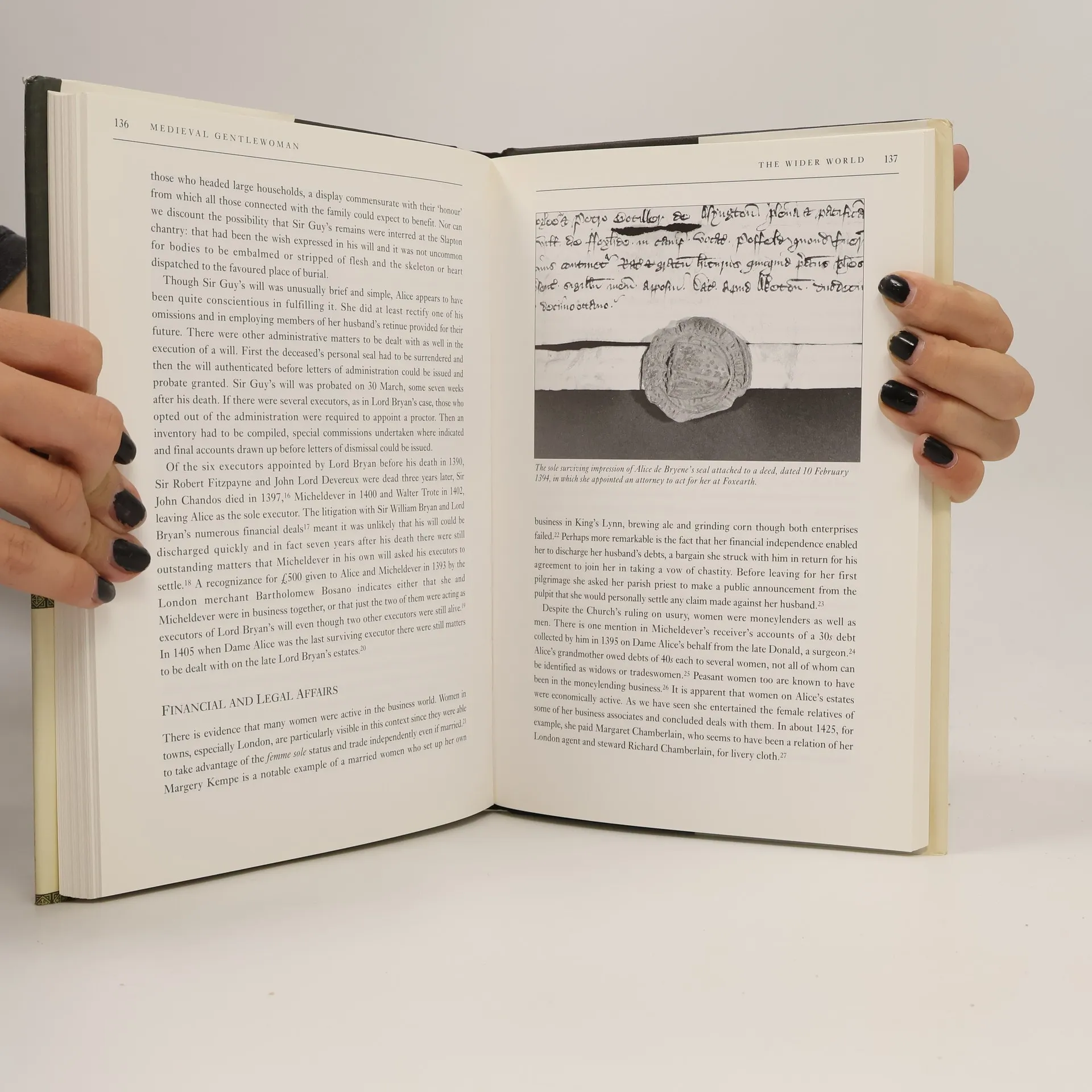
This study provides an important addition to current work on women in late medieval England. Its starting point is evidence from the life of one particular woman, Alice de Bryene, a Suffolk heiress of the late fourteenth and early fifteenth centuries. As a widow and owner of several large estates, she appears to have enjoyed greater status, influence and independence than most married women of the period.Through an examination of Alice's "Household Book," and using other extant contemporary sources, the author has been able to illuminate the experiences of medieval women in general. The resulting work provides a vivid picture of life in the medieval household, examining marriage and widowhood, daily household and estate management, hospitality and entertainment, education, patronage, religious concerns and the private and public roles of medieval women of the estate-owning class.
Book purchase
Medieval Gentlewoman, Ffiona Swabey
- Language

- Released
- 1999
- Binding
- (Hardcover)
Payment methods
We’re missing your review here.
- Title
- Medieval Gentlewoman
- Subtitle
- Life in a Gentry Household in the Later Middle Ages
- Language
- English
- Authors
- Ffiona Swabey
- Publisher
- Routledge
- Released
- 1999
- Format
- Hardcover
- Pages
- 210
- ISBN10
- 0415925118
- ISBN13
- 9780415925112
- Series
- Categories
- Rating
- 3.7 out of 5
- Description
- This study provides an important addition to current work on women in late medieval England. Its starting point is evidence from the life of one particular woman, Alice de Bryene, a Suffolk heiress of the late fourteenth and early fifteenth centuries. As a widow and owner of several large estates, she appears to have enjoyed greater status, influence and independence than most married women of the period.Through an examination of Alice's "Household Book," and using other extant contemporary sources, the author has been able to illuminate the experiences of medieval women in general. The resulting work provides a vivid picture of life in the medieval household, examining marriage and widowhood, daily household and estate management, hospitality and entertainment, education, patronage, religious concerns and the private and public roles of medieval women of the estate-owning class.