

Transnational Actors in Central and East European Transitions
More about the book
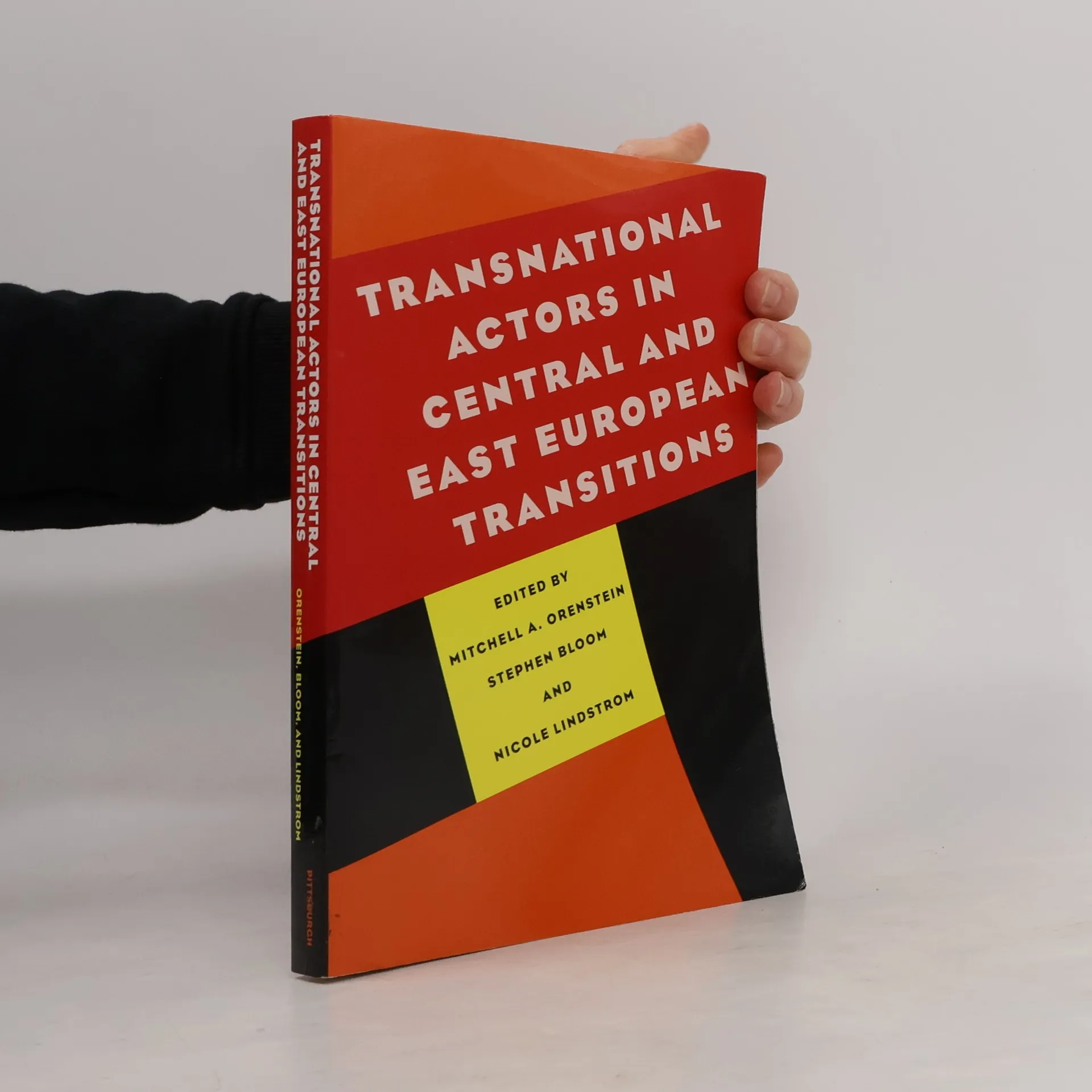
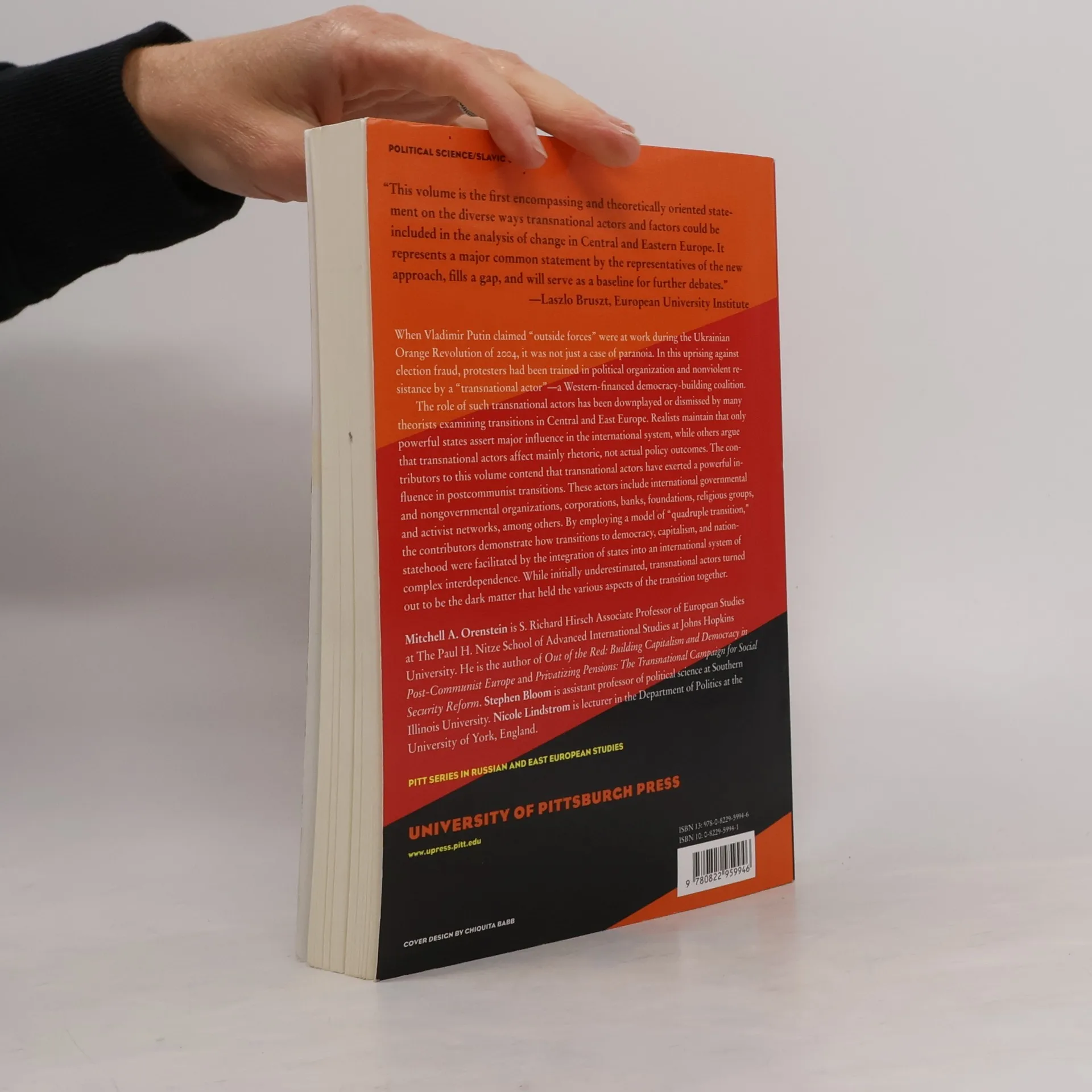
When Vladimir Putin claimed “outside forces” influenced the Ukrainian Orange Revolution of 2004, it highlighted the significant impact of transnational actors in postcommunist countries. This uprising against election fraud was supported by a Western-funded democracy-building coalition that trained protesters in political organization and nonviolent resistance. Despite this, many theorists downplay the influence of transnational actors, with realists asserting that only powerful states hold sway and others suggesting these actors merely affect rhetoric, not policy outcomes. The editors of this volume argue that transnational actors have played a crucial role in postcommunist transitions, facilitating democracy, capitalism, and nation-statehood through the integration of Central and East European states into a complex international system. These actors, including international organizations, corporations, banks, foundations, religious groups, and activist networks, serve as the “dark matter” that binds the transition processes. While the European Union is the most prominent transnational actor in the region, others such as the OSCE, NATO, and the Catholic Church also contribute significantly. This collection of leading scholars debates the role and impact of these actors, offering a new research framework for understanding this rapidly evolving region.
Book purchase
Transnational Actors in Central and East European Transitions, Nicole Lindstrom, Mitchell Alexander Orenstein, Stephen Bloom
- Language

- Released
- 2008
- Binding
- (Paperback)
Payment methods
No one has rated yet.
- Title
- Transnational Actors in Central and East European Transitions
- Language
- English
- Publisher
- University of Pittsburgh Press
- Released
- 2008
- Format
- Paperback
- Pages
- 272
- ISBN10
- 0822959941
- ISBN13
- 9780822959946
- Series
- Tags
- Social Issues, Democracy
- Description
- When Vladimir Putin claimed “outside forces” influenced the Ukrainian Orange Revolution of 2004, it highlighted the significant impact of transnational actors in postcommunist countries. This uprising against election fraud was supported by a Western-funded democracy-building coalition that trained protesters in political organization and nonviolent resistance. Despite this, many theorists downplay the influence of transnational actors, with realists asserting that only powerful states hold sway and others suggesting these actors merely affect rhetoric, not policy outcomes. The editors of this volume argue that transnational actors have played a crucial role in postcommunist transitions, facilitating democracy, capitalism, and nation-statehood through the integration of Central and East European states into a complex international system. These actors, including international organizations, corporations, banks, foundations, religious groups, and activist networks, serve as the “dark matter” that binds the transition processes. While the European Union is the most prominent transnational actor in the region, others such as the OSCE, NATO, and the Catholic Church also contribute significantly. This collection of leading scholars debates the role and impact of these actors, offering a new research framework for understanding this rapidly evolving region.