

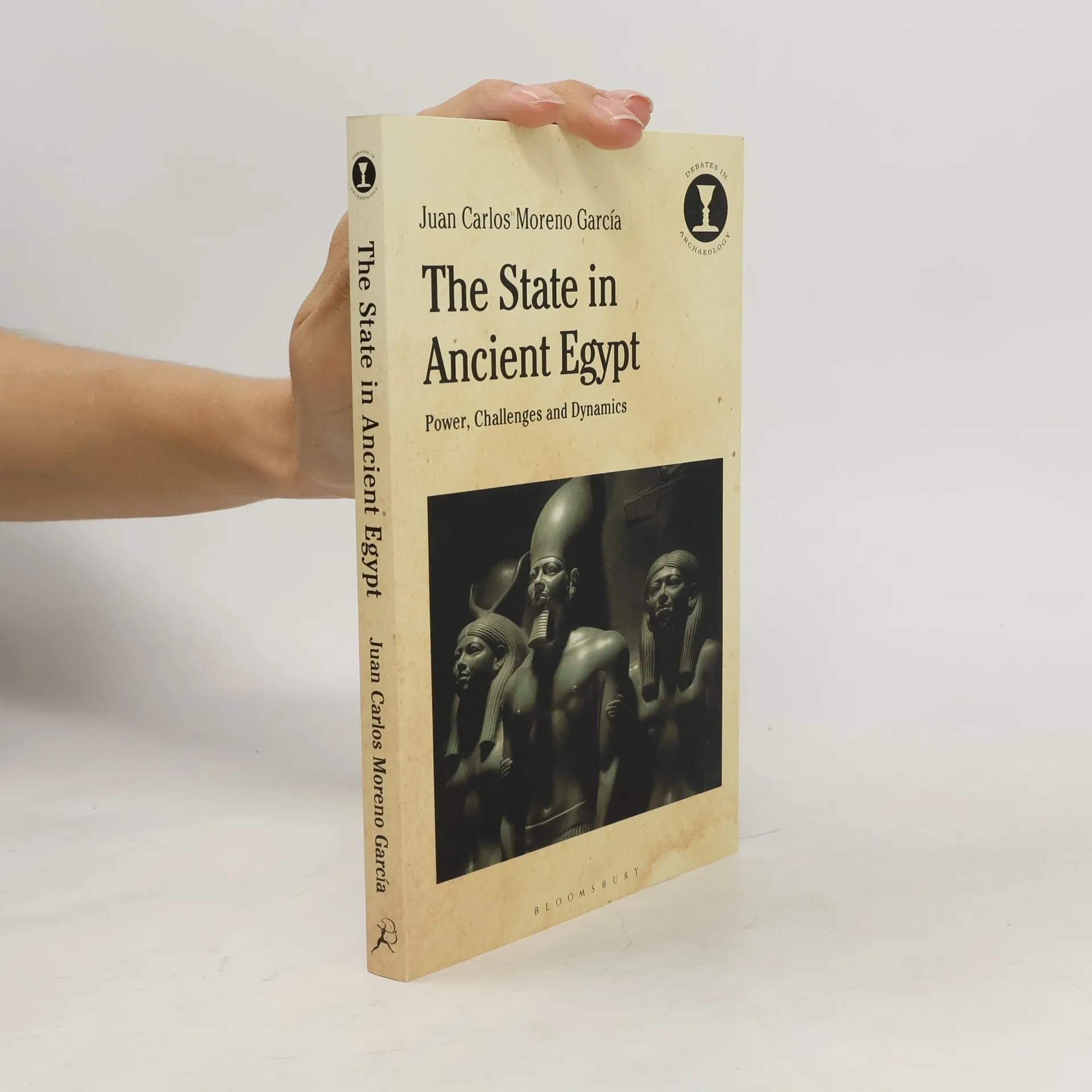

More about the book
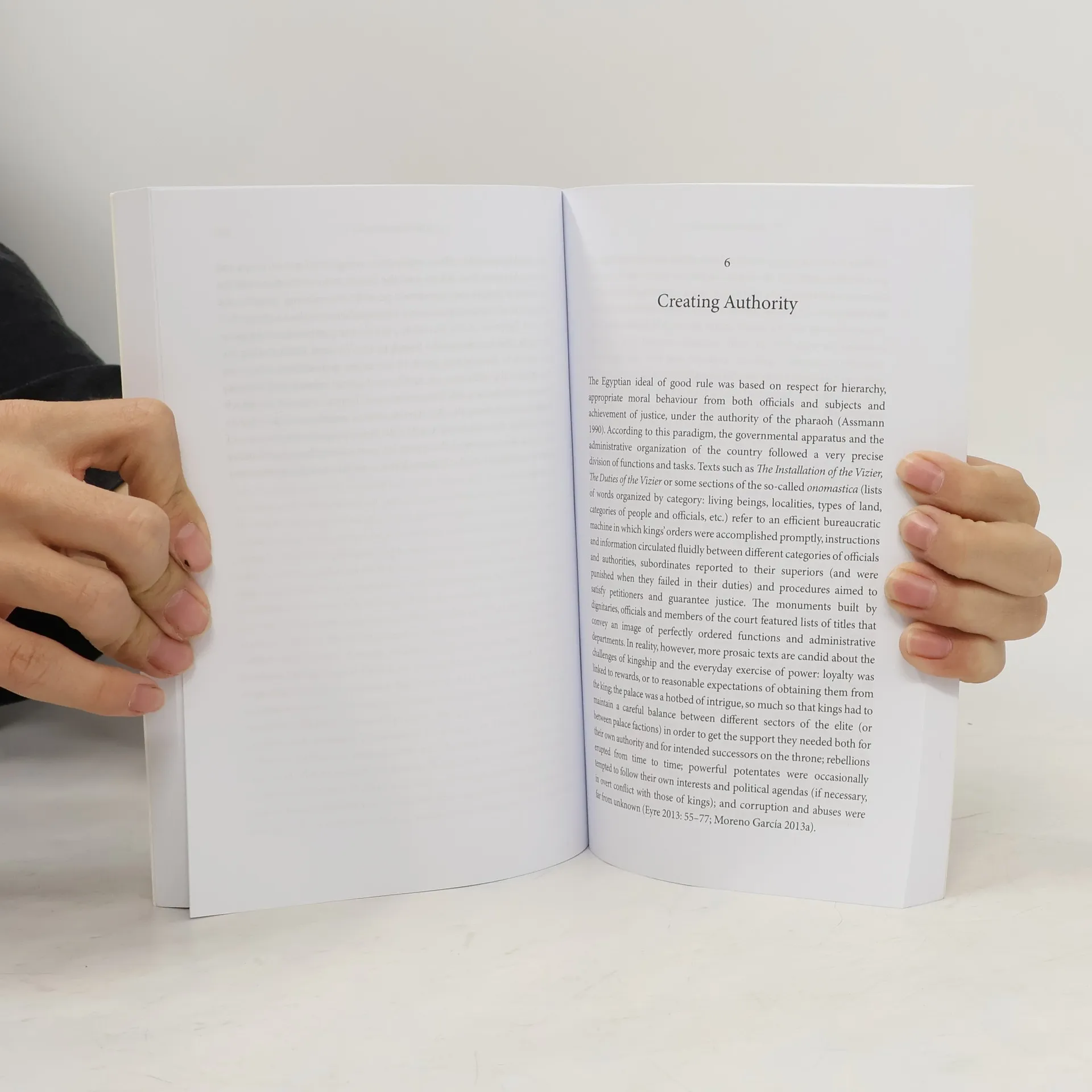
This book offers a fresh analysis of the organization and evolution of the pharaonic state over three millennia. Moreno García utilizes recent advancements in state theory and archaeology, particularly the comparative study of ancient states and empires, to illuminate this topic. Traditional views often depict pharaonic Egypt as stable and exceptional, suggesting its kingship remained unchanged from the Bronze to Iron Ages. However, this work reveals that ancient Egypt shared many characteristics with other societies of the same periods. It examines the structure of the state, the limits of royal power, and the influence of local micro-powers, such as provincial leaders and affluent non-elites, alongside the circulation and control of wealth. Additionally, Egypt underwent significant transformations in its social, economic, political, and territorial organization throughout its history, making it an ideal case for testing governance models and understanding long-term societal dynamics. Through these new perspectives, pharaonic monarchies are portrayed as less exceptional and more influenced by the balance of power, resource control, and shifting geopolitical conditions.
Book purchase
Debates in Archaeology: The State in Ancient Egypt, Juan Carlos Moreno García, Richard Hodges
- Language

- Released
- 2019
- Binding
- (Paperback)
Payment methods
No one has rated yet.
- Title
- Debates in Archaeology: The State in Ancient Egypt
- Subtitle
- Power, Challenges and Dynamics
- Language
- English
- Publisher
- Bloomsbury Publishing PLC
- Released
- 2019
- Format
- Paperback
- Pages
- 244
- ISBN10
- 1350074985
- ISBN13
- 9781350074989
- Series
- Categories
- Tags
- Historical Themes, Politics, Ancient History, Archaeology, Egypt, Ancient Egypt, Egyptology, North Africa
- Description
- This book offers a fresh analysis of the organization and evolution of the pharaonic state over three millennia. Moreno García utilizes recent advancements in state theory and archaeology, particularly the comparative study of ancient states and empires, to illuminate this topic. Traditional views often depict pharaonic Egypt as stable and exceptional, suggesting its kingship remained unchanged from the Bronze to Iron Ages. However, this work reveals that ancient Egypt shared many characteristics with other societies of the same periods. It examines the structure of the state, the limits of royal power, and the influence of local micro-powers, such as provincial leaders and affluent non-elites, alongside the circulation and control of wealth. Additionally, Egypt underwent significant transformations in its social, economic, political, and territorial organization throughout its history, making it an ideal case for testing governance models and understanding long-term societal dynamics. Through these new perspectives, pharaonic monarchies are portrayed as less exceptional and more influenced by the balance of power, resource control, and shifting geopolitical conditions.