


More about the book
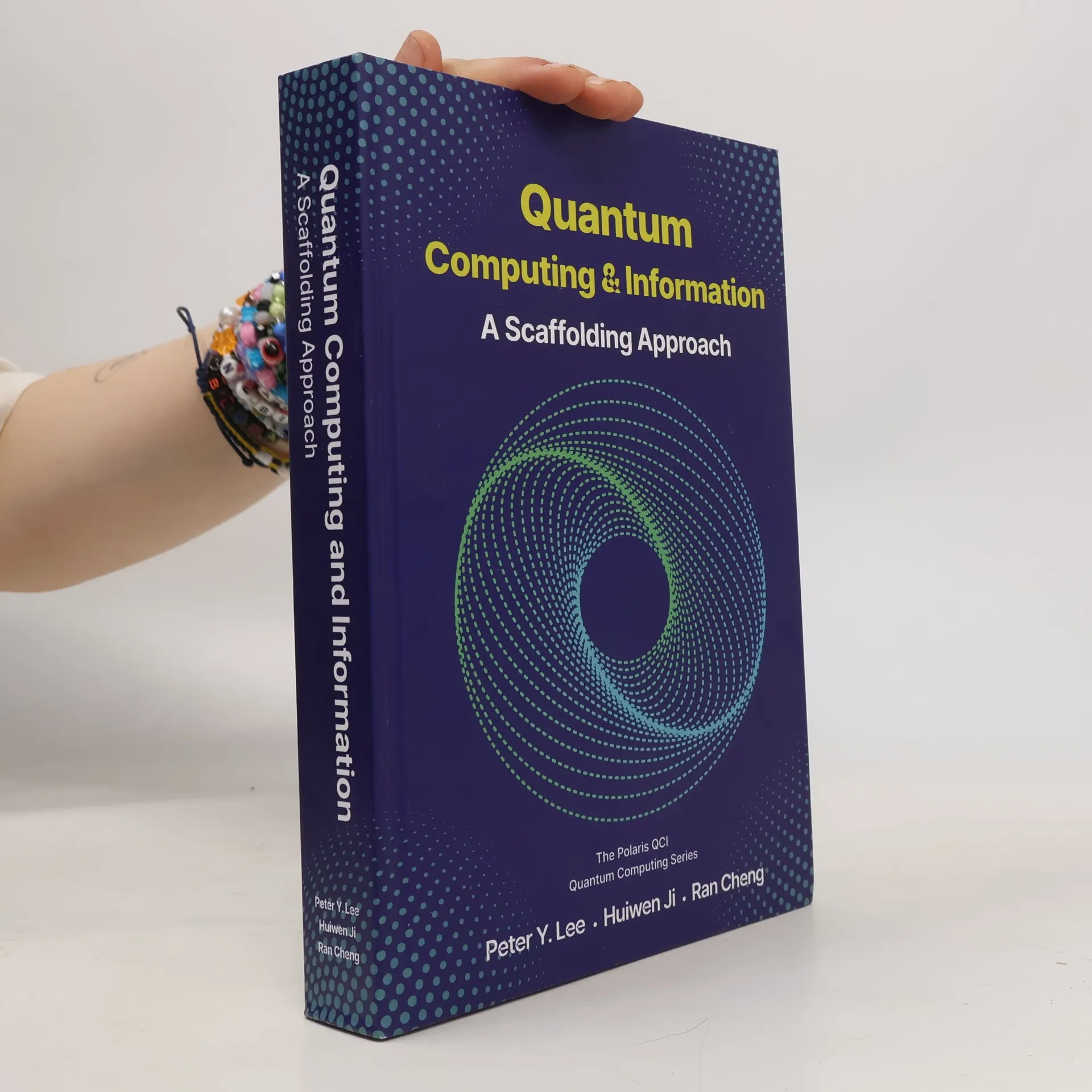
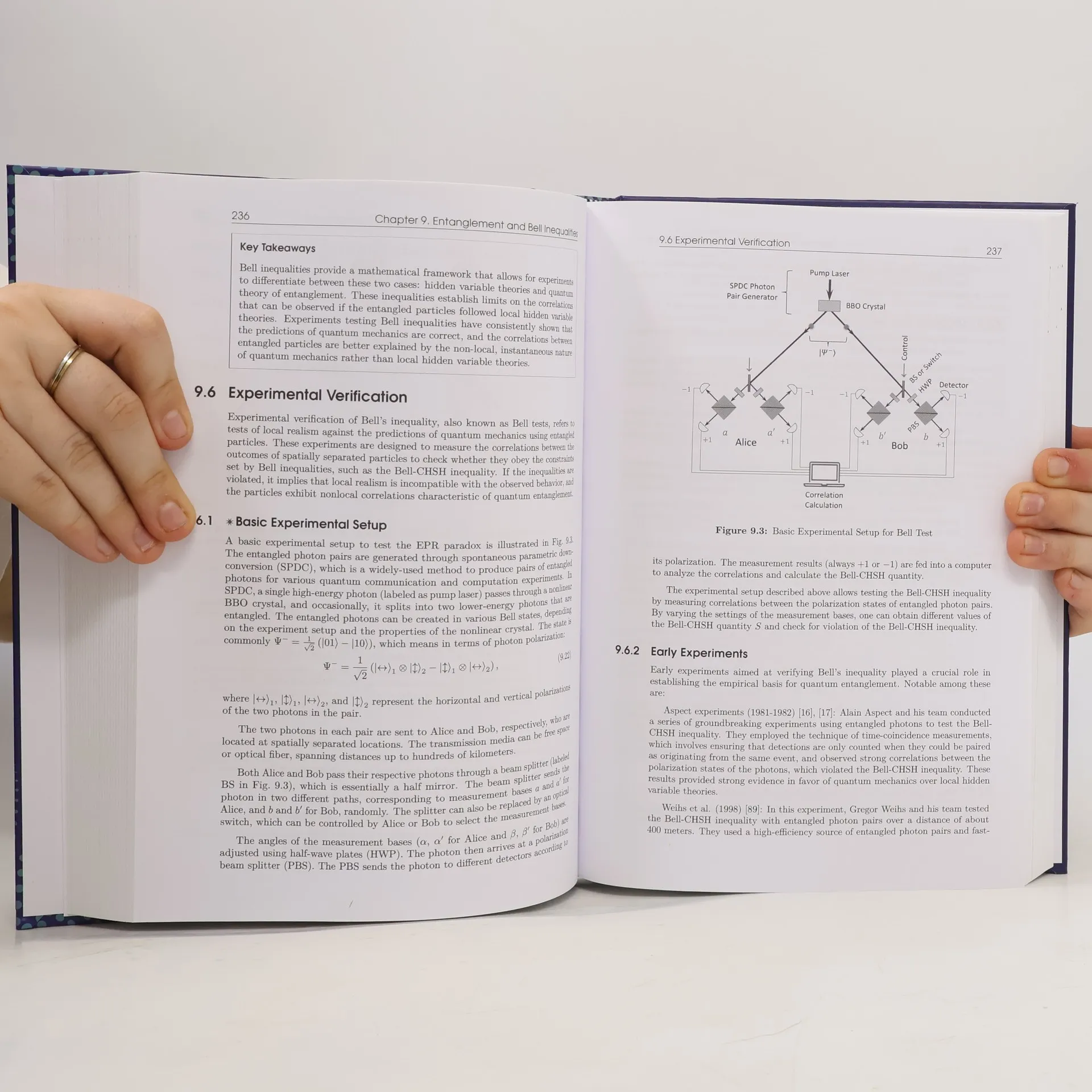
In a world where quantum computing merges computation and quantum mechanics, this book provides a carefully structured pathway to mastering this transformative technology. Aimed at beginning graduate students, senior undergraduates, and anyone interested in the quantum computational landscape, it employs a "scaffolding approach" inspired by pedagogical theories from Lev Vygotsky and Jerome Bruner. This method guides readers through complex topics without overwhelming them, gradually introducing concepts and reinforcing learning through practical exercises. The text is rich with illustrations, tables, and special boxes that highlight key ideas, making quantum computing accessible while preserving its complexities. The book is organized into four major sections: understanding the basics of quantum systems, manipulating these systems with quantum gates, exploring the phenomenon of entanglement, and delving into essential quantum algorithms, error correction techniques, and quantum information theory. Whether you are new to quantum computing or have some experience, this structured approach will help you build a solid understanding. Prepare for an enlightening journey into the captivating world of quantum computing.
Book purchase
Quantum Computing and Information, Peter Lee, Cheng Ran, Huiwen Ji
- Language

- Released
- 2024
- Binding
- (Hardcover)
Payment methods
No one has rated yet.
- Title
- Quantum Computing and Information
- Subtitle
- A Scaffolding Approach
- Language
- English
- Publisher
- Polaris QCI Publishing
- Released
- 2024
- Format
- Hardcover
- Pages
- 508
- ISBN10
- 1961880024
- ISBN13
- 9781961880023
- Series
- Description
- In a world where quantum computing merges computation and quantum mechanics, this book provides a carefully structured pathway to mastering this transformative technology. Aimed at beginning graduate students, senior undergraduates, and anyone interested in the quantum computational landscape, it employs a "scaffolding approach" inspired by pedagogical theories from Lev Vygotsky and Jerome Bruner. This method guides readers through complex topics without overwhelming them, gradually introducing concepts and reinforcing learning through practical exercises. The text is rich with illustrations, tables, and special boxes that highlight key ideas, making quantum computing accessible while preserving its complexities. The book is organized into four major sections: understanding the basics of quantum systems, manipulating these systems with quantum gates, exploring the phenomenon of entanglement, and delving into essential quantum algorithms, error correction techniques, and quantum information theory. Whether you are new to quantum computing or have some experience, this structured approach will help you build a solid understanding. Prepare for an enlightening journey into the captivating world of quantum computing.