



More about the book
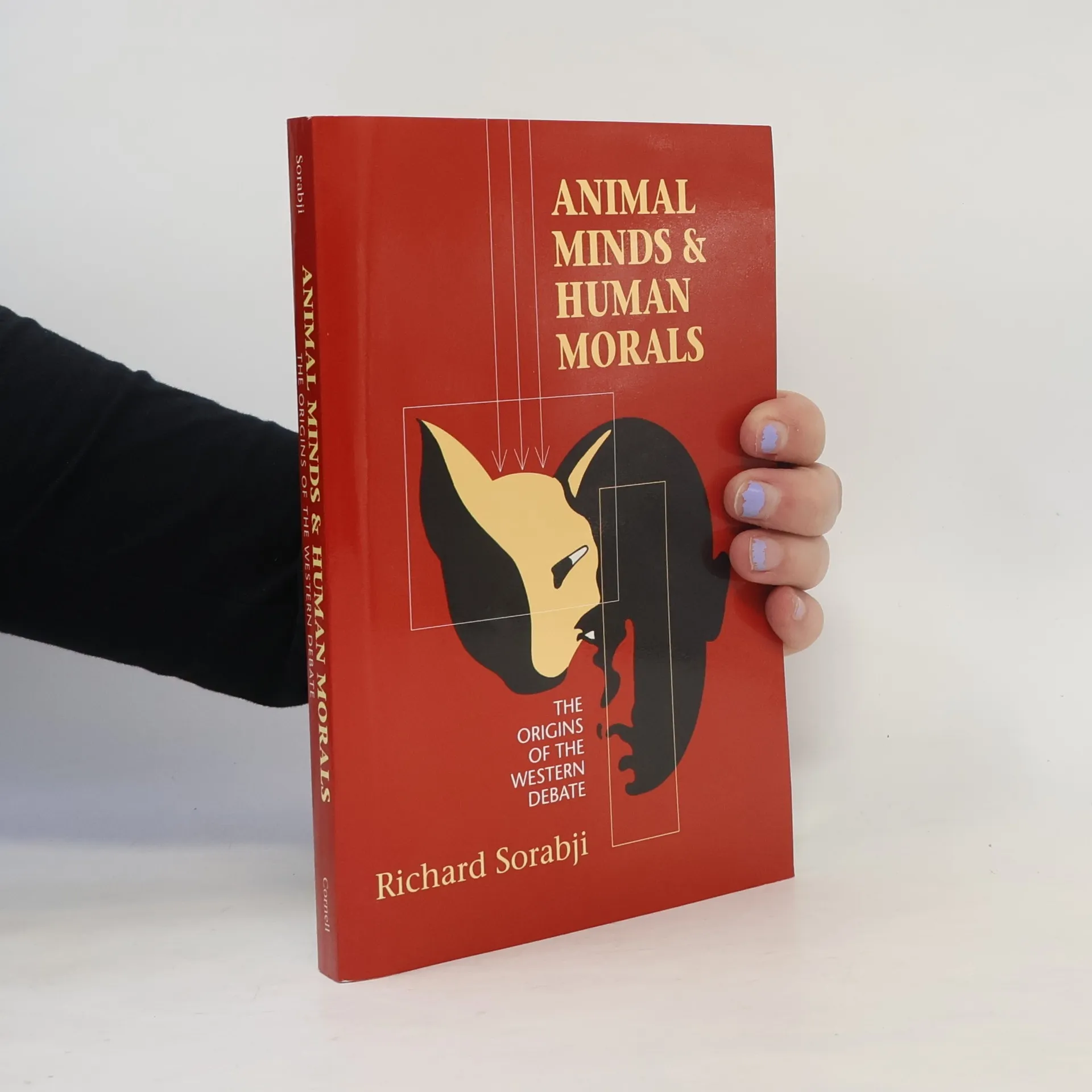
"They don't have syntax, so we can eat them." This conclusion, attributed to the Stoic philosophers, stems from Aristotle's argument that animals lack reason. Richard Sorabji explores the origins of our thinking about animals, tracing it back to Aristotelian and Stoic beliefs. He highlights a recurring theme in ancient philosophy regarding the mind, revealing that contemporary debates on animal rights are merely the latest chapter in a long history of discourse. Sorabji examines a wide array of Greek philosophical texts, discussing how classical views on animals intersect with key ethical questions and the definition of human rationality. He delves into the nature of concepts, the distinction between perceptions and beliefs, and the relationships among memory, intention, emotion, and reason. Additionally, he investigates the significance of ritual sacrifice and meat consumption within the religious contexts of ancient Greece and medieval Western Christendom. The book also critiques modern defenses of animal rights from thinkers like Peter Singer, Tom Regan, and Mary Midgley. By illuminating traditional arguments about animal status and addressing contemporary moral dilemmas, this work is essential for scholars and students in ancient philosophy, ethics, and related fields, as well as anyone concerned about our relationship with other species.
Book purchase
Cornell Studies in Classical Philology-Townsend Lectures - 54: Animal Minds and Human Morals, Richard Sorabji
- Language

- Released
- 1993
- Binding
- (Paperback)
Payment methods
No one has rated yet.
- Title
- Cornell Studies in Classical Philology-Townsend Lectures - 54: Animal Minds and Human Morals
- Subtitle
- The Origins of the Western Debate
- Language
- English
- Authors
- Richard Sorabji
- Publisher
- Cornell University Press
- Released
- 1993
- Format
- Paperback
- Pages
- 272
- ISBN10
- 0801482984
- ISBN13
- 9780801482984
- Series
- Categories
- Tags
- Animals
- Description
- "They don't have syntax, so we can eat them." This conclusion, attributed to the Stoic philosophers, stems from Aristotle's argument that animals lack reason. Richard Sorabji explores the origins of our thinking about animals, tracing it back to Aristotelian and Stoic beliefs. He highlights a recurring theme in ancient philosophy regarding the mind, revealing that contemporary debates on animal rights are merely the latest chapter in a long history of discourse. Sorabji examines a wide array of Greek philosophical texts, discussing how classical views on animals intersect with key ethical questions and the definition of human rationality. He delves into the nature of concepts, the distinction between perceptions and beliefs, and the relationships among memory, intention, emotion, and reason. Additionally, he investigates the significance of ritual sacrifice and meat consumption within the religious contexts of ancient Greece and medieval Western Christendom. The book also critiques modern defenses of animal rights from thinkers like Peter Singer, Tom Regan, and Mary Midgley. By illuminating traditional arguments about animal status and addressing contemporary moral dilemmas, this work is essential for scholars and students in ancient philosophy, ethics, and related fields, as well as anyone concerned about our relationship with other species.