


Parameters
- 328 pages
- 12 hours of reading
More about the book
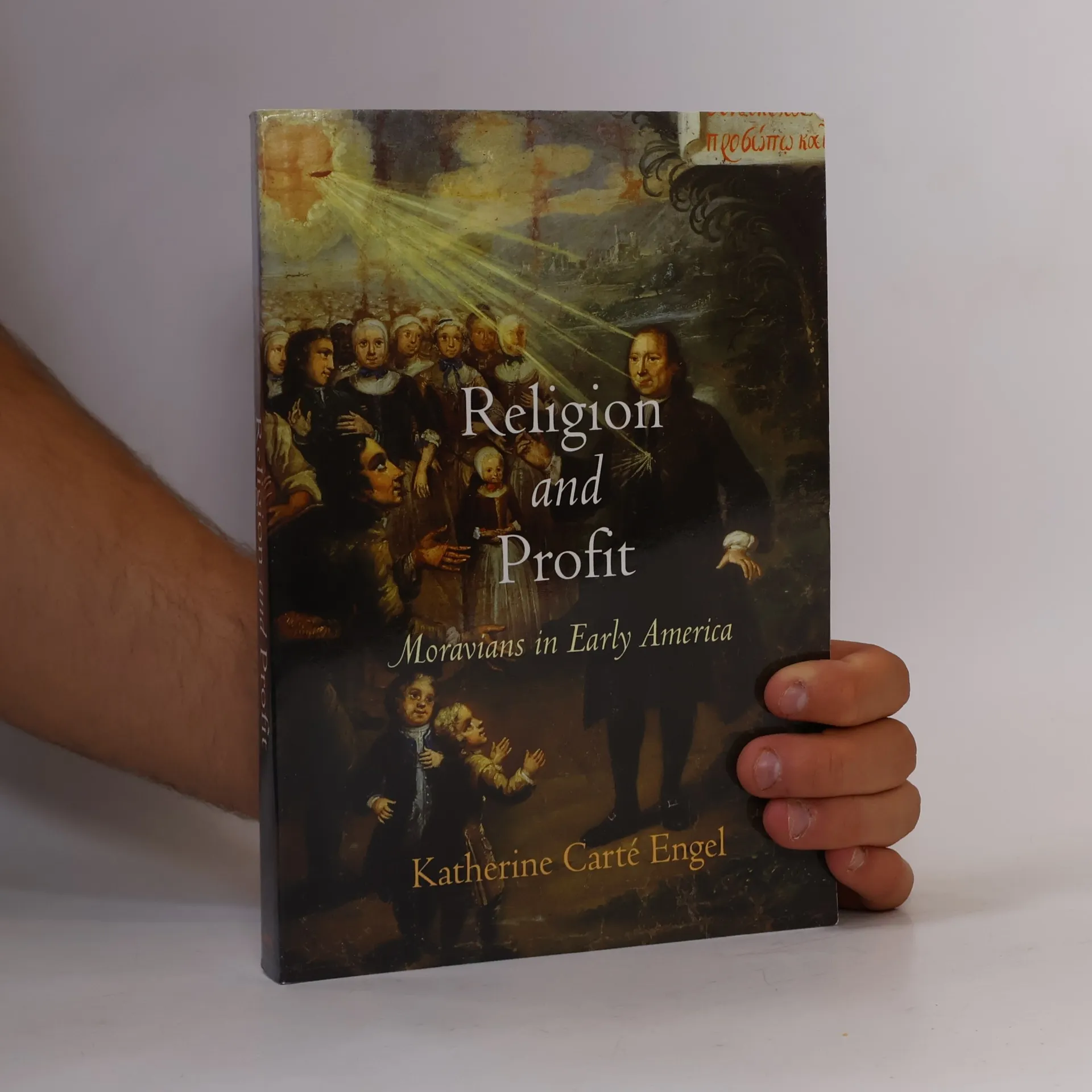
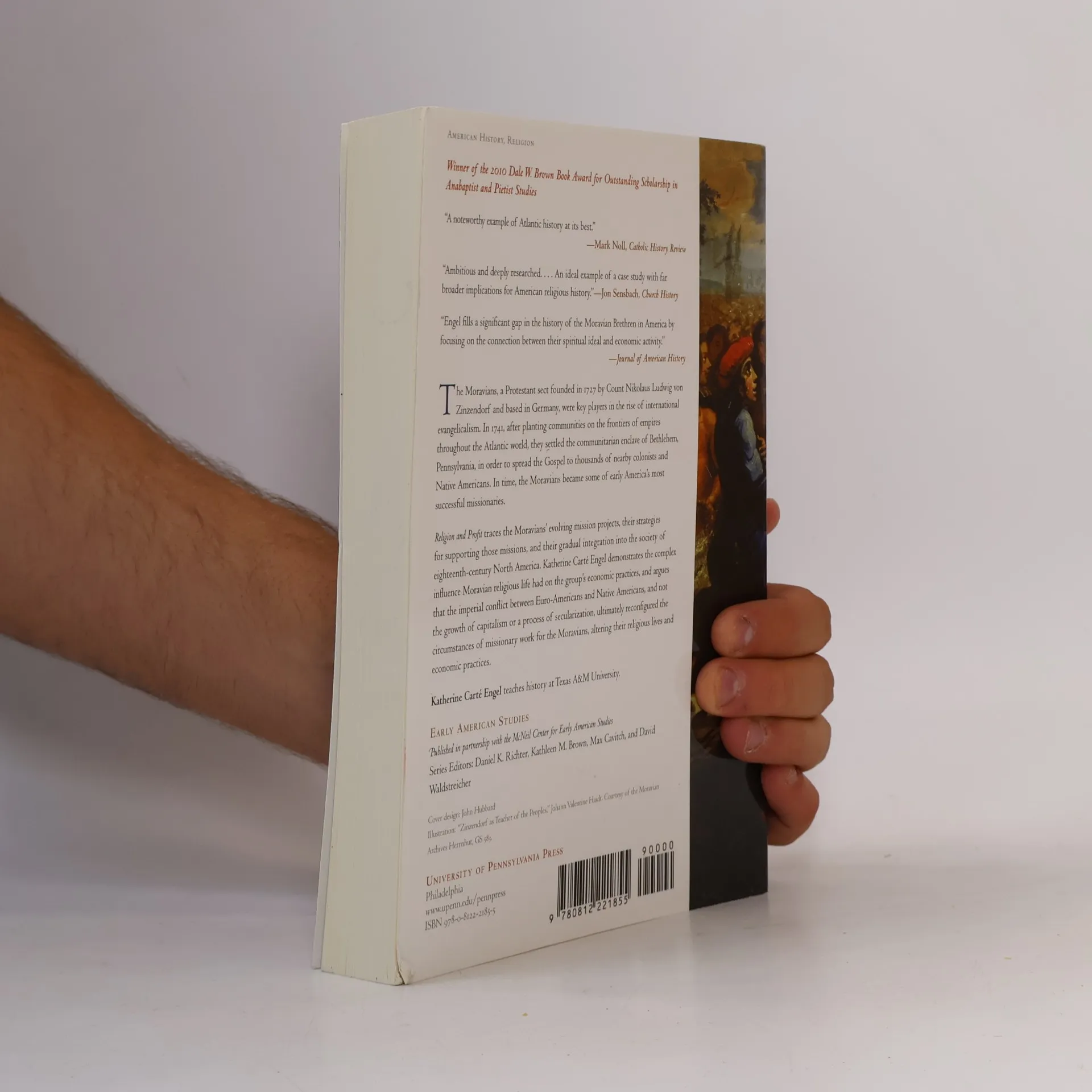
The Moravians, a Protestant sect founded in 1727 by Count Nikolaus Ludwig von Zinzendorf in Germany, played a significant role in the rise of international evangelicalism. By 1741, they established a communitarian enclave in Bethlehem, Pennsylvania, aiming to spread the Gospel to nearby colonists and Native Americans. Their missionary efforts made them some of early America's most successful evangelists. To support their expansive projects, Bethlehem's Moravians utilized financial acumen and communalism, creating commercial networks that connected the Pennsylvania backcountry to European financial centers. This integration of commerce and missionary work was essential to understanding their religious efforts, as Moravian leaders adeptly balanced the pursuit of profit with their Christian mission. The narrative explores the evolution of Moravian mission projects, the strategies employed to sustain them, and their gradual assimilation into 18th-century North American society. Katherine Carté Engel highlights how Moravian religious life influenced their economic practices, arguing that the imperial conflict between Euro-Americans and Native Americans, rather than the rise of capitalism or secularization, reshaped the context of their missionary work, impacting both their religious and economic lives.
Book purchase
Religion and Profit, Katherine Carté Engel
- Language

- Released
- 2011
- Binding
- (Paperback)
Payment methods
No one has rated yet.
- Title
- Religion and Profit
- Subtitle
- Moravians in Early America
- Language
- English
- Authors
- Katherine Carté Engel
- Publisher
- University of Pennsylvania Press
- Released
- 2011
- Format
- Paperback
- Pages
- 328
- ISBN10
- 0812221850
- ISBN13
- 9780812221855
- Series
- Tags
- Historical Themes, Business, Religious Topics, Christian Themes, USA, American History, History of Religion, Economic History, Religious Studies, Missions and Missionaries
- Description
- The Moravians, a Protestant sect founded in 1727 by Count Nikolaus Ludwig von Zinzendorf in Germany, played a significant role in the rise of international evangelicalism. By 1741, they established a communitarian enclave in Bethlehem, Pennsylvania, aiming to spread the Gospel to nearby colonists and Native Americans. Their missionary efforts made them some of early America's most successful evangelists. To support their expansive projects, Bethlehem's Moravians utilized financial acumen and communalism, creating commercial networks that connected the Pennsylvania backcountry to European financial centers. This integration of commerce and missionary work was essential to understanding their religious efforts, as Moravian leaders adeptly balanced the pursuit of profit with their Christian mission. The narrative explores the evolution of Moravian mission projects, the strategies employed to sustain them, and their gradual assimilation into 18th-century North American society. Katherine Carté Engel highlights how Moravian religious life influenced their economic practices, arguing that the imperial conflict between Euro-Americans and Native Americans, rather than the rise of capitalism or secularization, reshaped the context of their missionary work, impacting both their religious and economic lives.