

More about the book
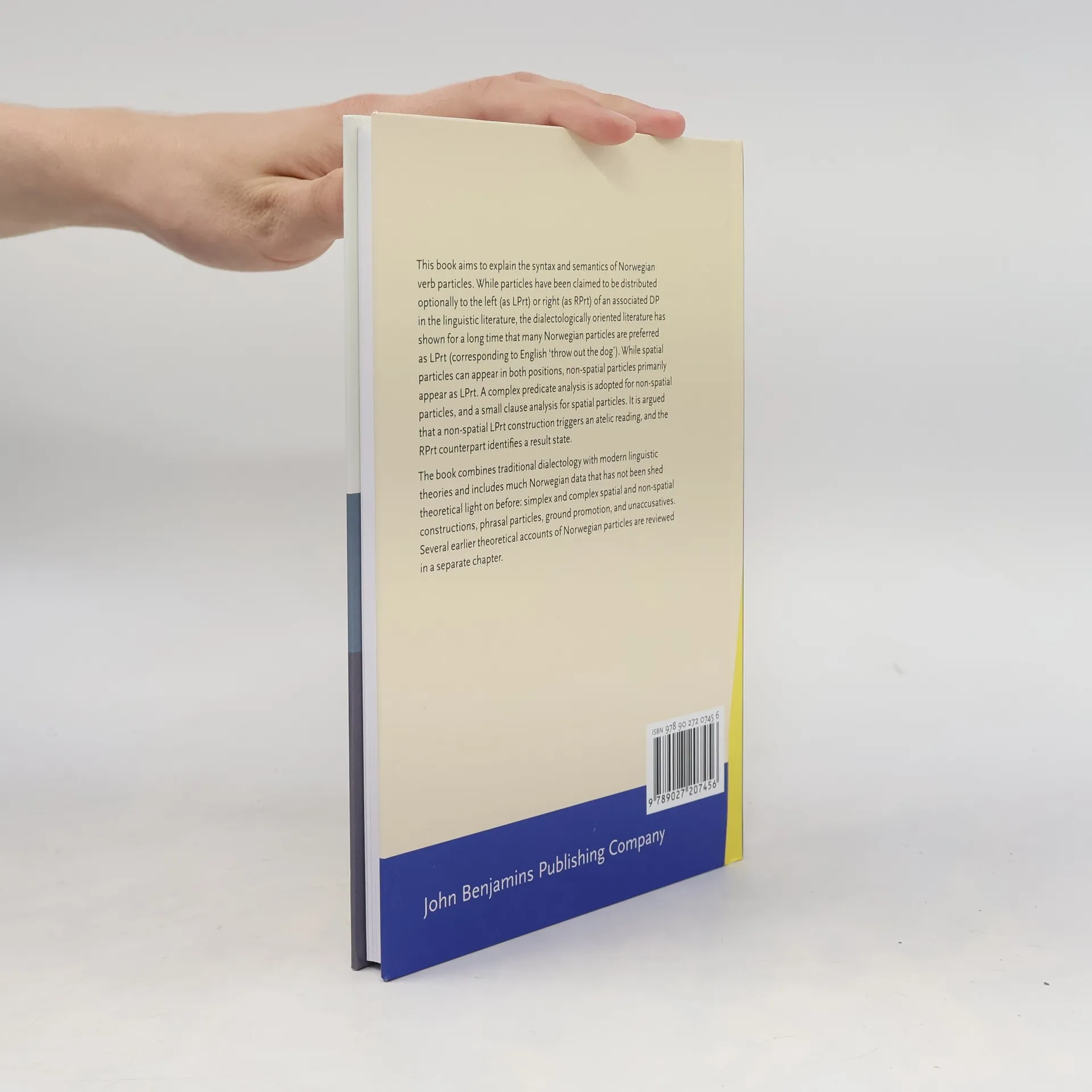
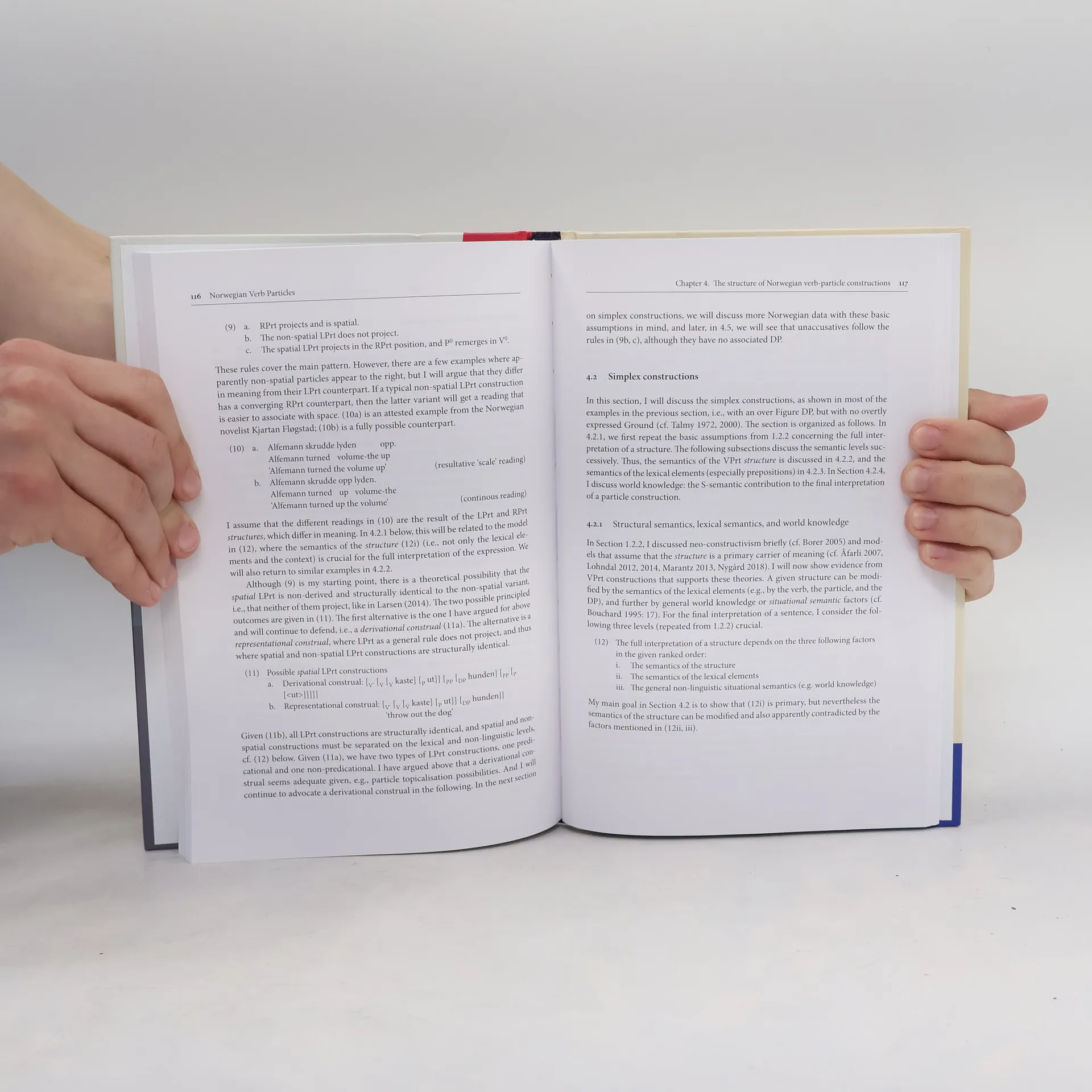
This book aims to explain the syntax and semantics of Norwegian verb particles. While particles have been claimed to be distributed optionally to the left (as LPrt) or right (as RPrt) of an associated DP in the linguistic literature, the dialectologically oriented literature has shown for a long time that many Norwegian particles are preferred as LPrt (corresponding to English ‘throw out the dog’). While spatial particles can appear in both positions, non-spatial particles primarily appear as LPrt. A complex predicate analysis is adopted for non-spatial particles, and a small clause analysis for spatial particles. It is argued that a non-spatial LPrt construction triggers an atelic reading, and the RPrt counterpart identifies a result state. The book combines traditional dialectology with modern linguistic theories and includes much Norwegian data that has not been shed theoretical light on simplex and complex spatial and non-spatial constructions, phrasal particles, ground promotion, and unaccusatives. Several earlier theoretical accounts of Norwegian particles are reviewed in a separate chapter.
Book purchase
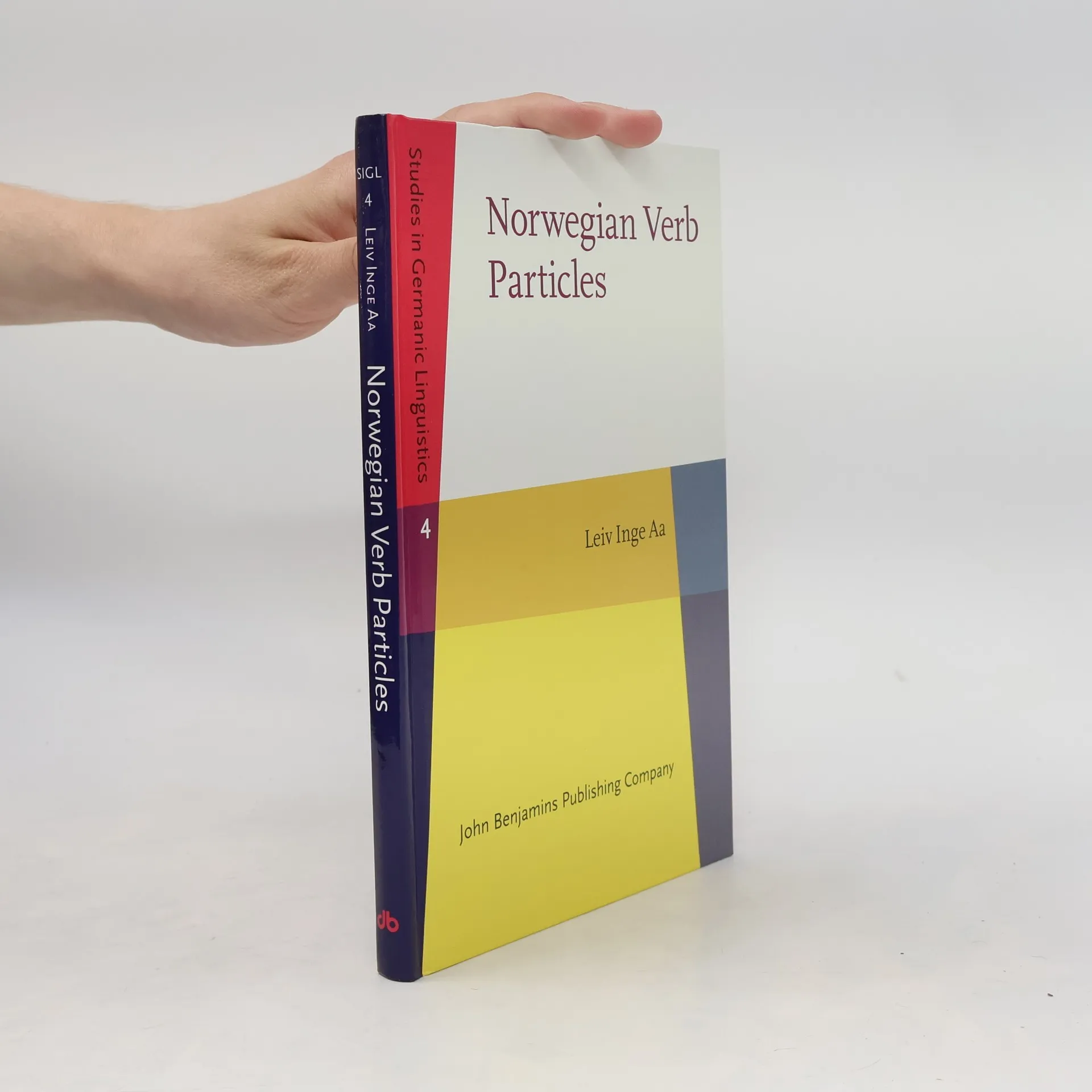
Studies in Germanic Linguistics - 4: Norwegian Verb Particles, Leiv Inge Aa
- Language

- Released
- 2020
- Binding
- (Hardcover)
Payment methods
No one has rated yet.
- Title
- Studies in Germanic Linguistics - 4: Norwegian Verb Particles
- Language
- English
- Authors
- Leiv Inge Aa
- Publisher
- John Benjamins Publishing Company
- Released
- 2020
- Format
- Hardcover
- Pages
- 194
- ISBN10
- 9027207453
- ISBN13
- 9789027207456
- Series
- Categories
- Description
- This book aims to explain the syntax and semantics of Norwegian verb particles. While particles have been claimed to be distributed optionally to the left (as LPrt) or right (as RPrt) of an associated DP in the linguistic literature, the dialectologically oriented literature has shown for a long time that many Norwegian particles are preferred as LPrt (corresponding to English ‘throw out the dog’). While spatial particles can appear in both positions, non-spatial particles primarily appear as LPrt. A complex predicate analysis is adopted for non-spatial particles, and a small clause analysis for spatial particles. It is argued that a non-spatial LPrt construction triggers an atelic reading, and the RPrt counterpart identifies a result state. The book combines traditional dialectology with modern linguistic theories and includes much Norwegian data that has not been shed theoretical light on simplex and complex spatial and non-spatial constructions, phrasal particles, ground promotion, and unaccusatives. Several earlier theoretical accounts of Norwegian particles are reviewed in a separate chapter.