

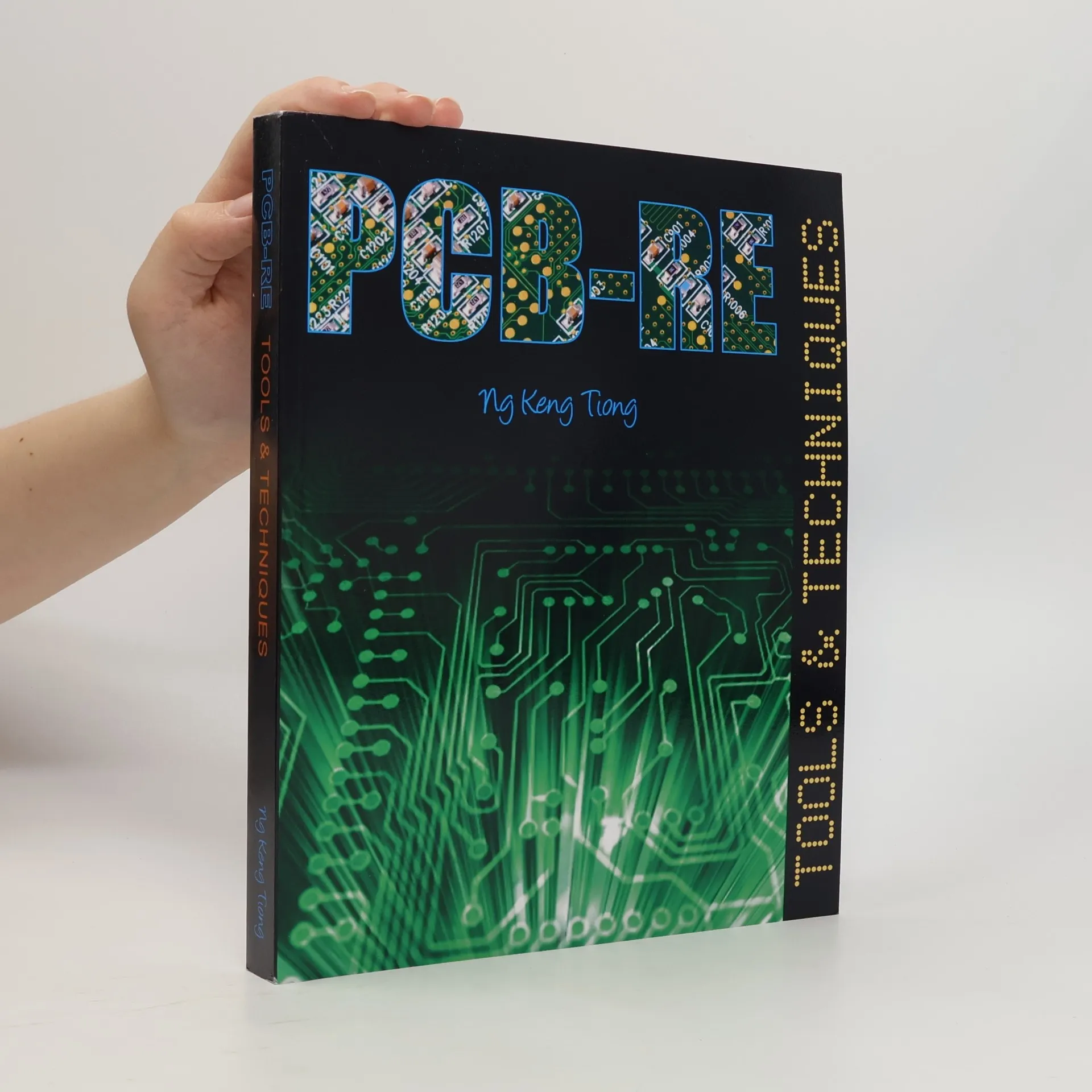
PCB-RE
Tools & Techniques
More about the book
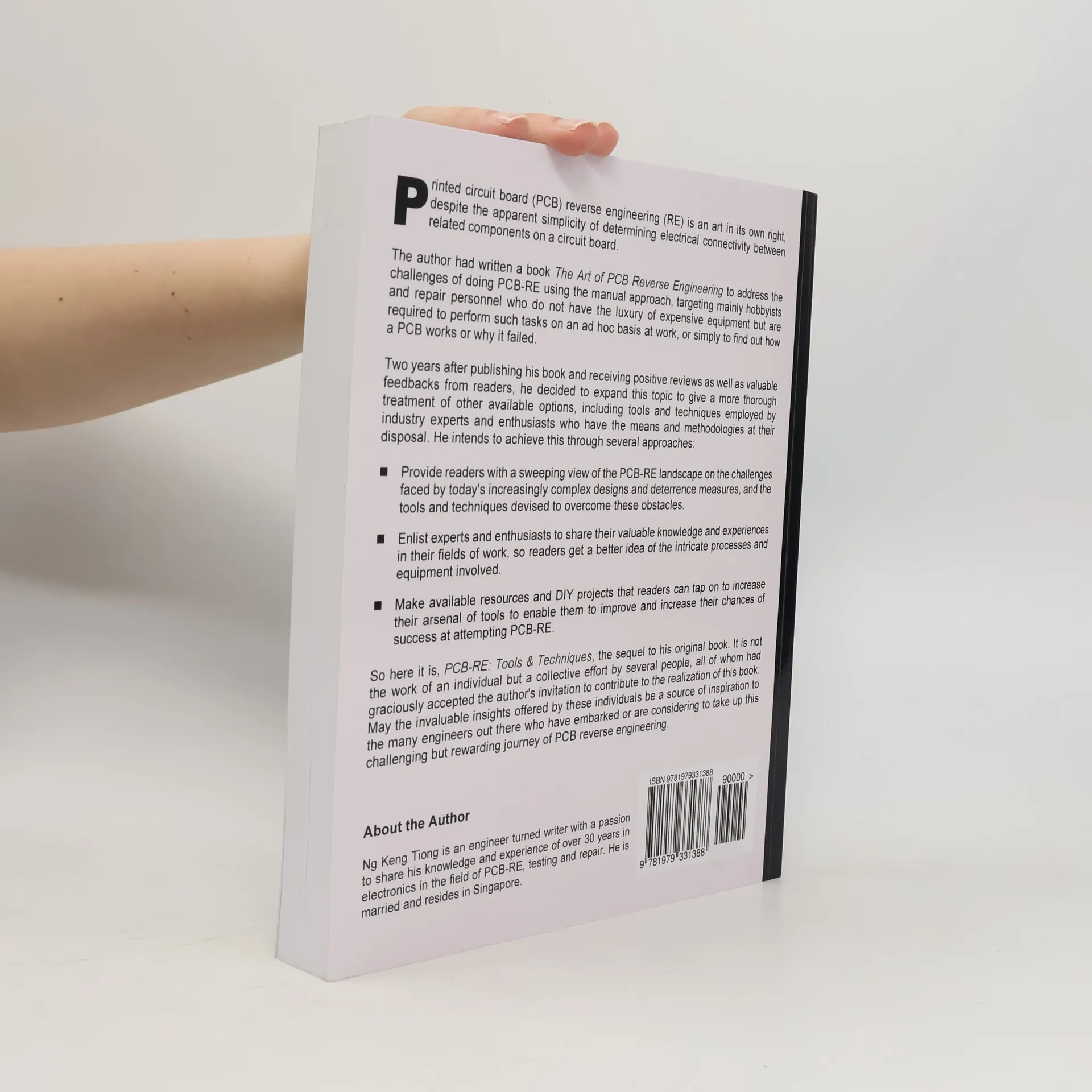
PCB reverse engineering (RE) is a nuanced skill that goes beyond simply identifying electrical connections between components. The author previously addressed the challenges of manual PCB-RE in a book aimed at hobbyists and repair personnel lacking expensive equipment. Following positive feedback, he chose to delve deeper into the subject, exploring additional tools and techniques used by industry experts and enthusiasts. This expanded work aims to: 1. Provide a comprehensive overview of the PCB-RE landscape, highlighting challenges posed by complex designs and deterrent measures, along with the tools and techniques developed to address these issues. 2. Feature insights from experts and enthusiasts, offering readers a clearer understanding of the intricate processes and equipment involved in PCB-RE. 3. Present resources and DIY projects to enhance readers' toolkits, improving their chances of success in PCB-RE endeavors. This book represents a collaborative effort, drawing on the collective knowledge of various contributors. The insights shared are intended to inspire engineers embarking on or contemplating the rewarding journey of PCB reverse engineering.
Book purchase
PCB-RE, Joel Grandke, Keng Tiong Ng, Kingpin
- Language

- Released
- 2017
- Binding
- (Paperback)
Payment methods
No one has rated yet.
- Title
- PCB-RE
- Subtitle
- Tools & Techniques
- Language
- English
- Authors
- Joel Grandke, Keng Tiong Ng, Kingpin
- Released
- 2017
- Format
- Paperback
- Pages
- 368
- ISBN10
- 1979331383
- ISBN13
- 9781979331388
- Series
- Tags
- Engineering
- Description
- PCB reverse engineering (RE) is a nuanced skill that goes beyond simply identifying electrical connections between components. The author previously addressed the challenges of manual PCB-RE in a book aimed at hobbyists and repair personnel lacking expensive equipment. Following positive feedback, he chose to delve deeper into the subject, exploring additional tools and techniques used by industry experts and enthusiasts. This expanded work aims to: 1. Provide a comprehensive overview of the PCB-RE landscape, highlighting challenges posed by complex designs and deterrent measures, along with the tools and techniques developed to address these issues. 2. Feature insights from experts and enthusiasts, offering readers a clearer understanding of the intricate processes and equipment involved in PCB-RE. 3. Present resources and DIY projects to enhance readers' toolkits, improving their chances of success in PCB-RE endeavors. This book represents a collaborative effort, drawing on the collective knowledge of various contributors. The insights shared are intended to inspire engineers embarking on or contemplating the rewarding journey of PCB reverse engineering.