

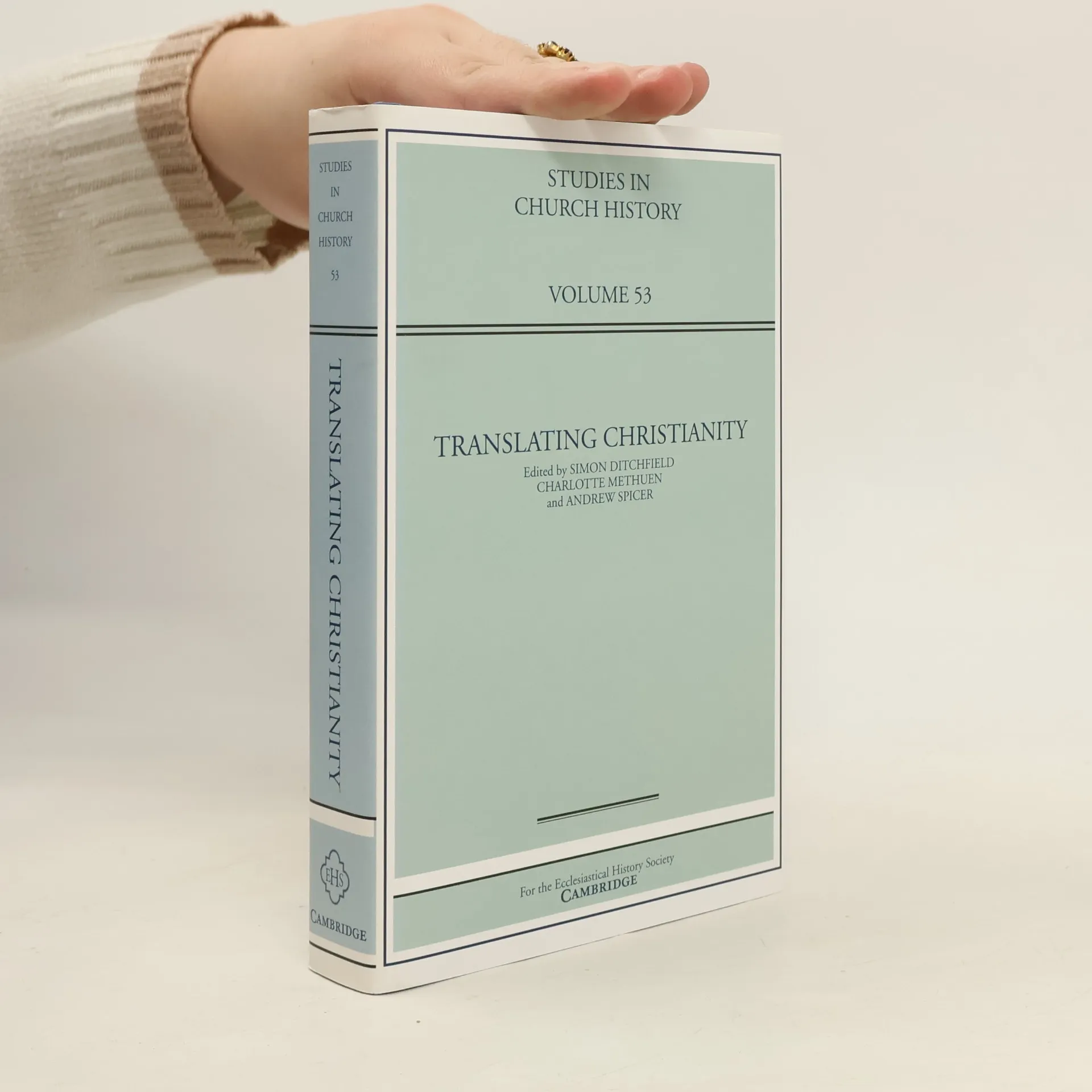

More about the book
This volume brings together scholars to explore the challenges of translating Christianity. Christianity has been the impulse behind the creation of more dictionaries and grammars of the world's languages than any other force in history. More people pray and worship in more languages in Christianity than in any other religion. It is a religion without a revealed language; a faith characterized by 'the triumph of its translatability'. Christianity is also a translated religion in a very different sense. Many of its ritual practices have been predicated on the translation of material objects, such as relics. Their movement in time and space reveals shifting lines of power and influence in illuminating ways. Translation can be understood not only linguistically and physically but also in ecclesiastical and metaphorical terms, for instance, in the handing on of authority from one place or person to another, or the appropriation of rituals in different contexts.
Book purchase
Studies in Church History - 53: Translating Christianity, Simon Ditchfield, Charlotte Methuen, Andrew Spicer
- Language

- Released
- 2017
- Binding
- (Hardcover)
Payment methods
No one has rated yet.
- Title
- Studies in Church History - 53: Translating Christianity
- Language
- English
- Publisher
- Cambridge University Press
- Released
- 2017
- Format
- Hardcover
- Pages
- 494
- ISBN10
- 1108419240
- ISBN13
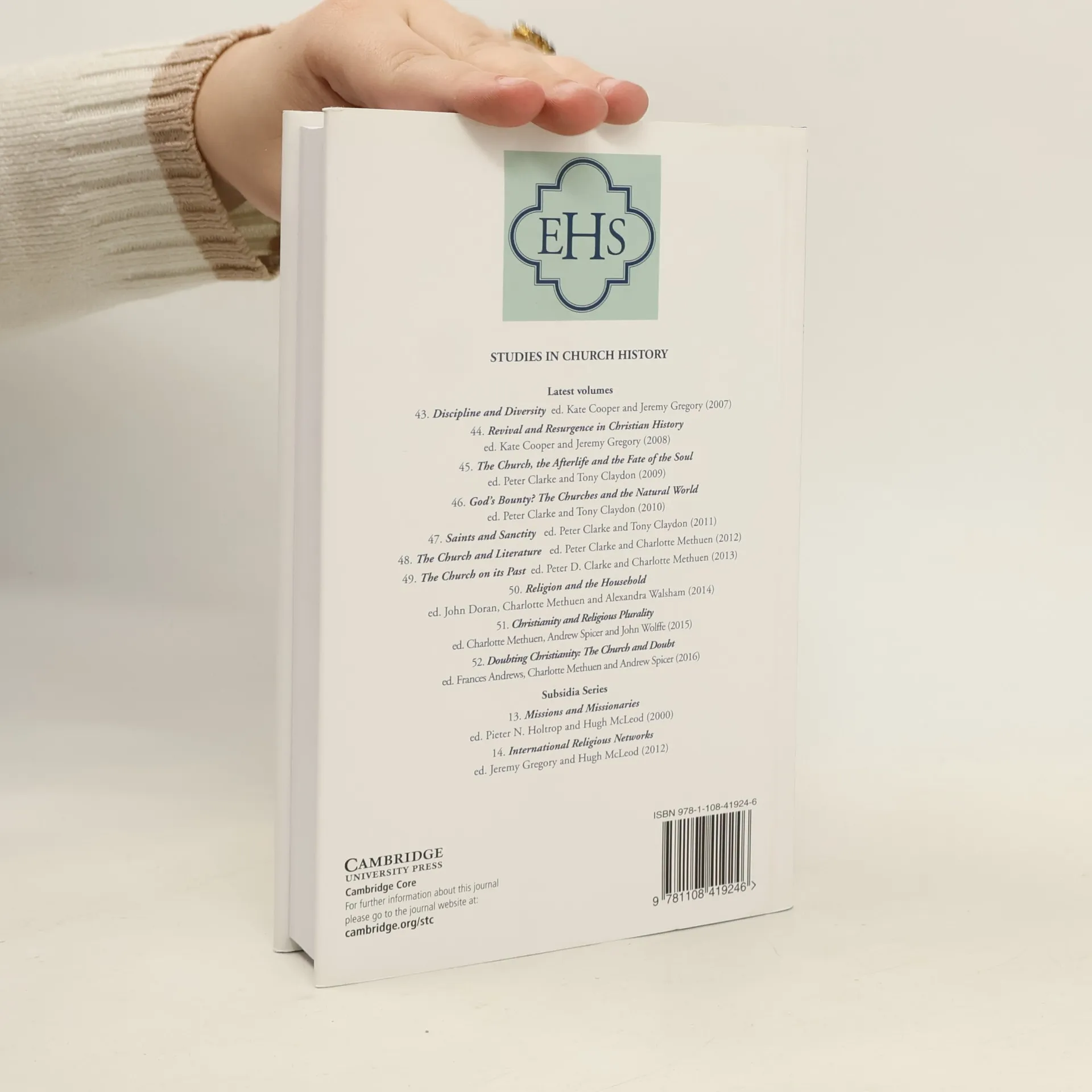
- 9781108419246
- Series
- Tags
- Historical Themes, Religious Topics, Christian Themes, Ethics, Church History, History of Religion
- Description
- This volume brings together scholars to explore the challenges of translating Christianity. Christianity has been the impulse behind the creation of more dictionaries and grammars of the world's languages than any other force in history. More people pray and worship in more languages in Christianity than in any other religion. It is a religion without a revealed language; a faith characterized by 'the triumph of its translatability'. Christianity is also a translated religion in a very different sense. Many of its ritual practices have been predicated on the translation of material objects, such as relics. Their movement in time and space reveals shifting lines of power and influence in illuminating ways. Translation can be understood not only linguistically and physically but also in ecclesiastical and metaphorical terms, for instance, in the handing on of authority from one place or person to another, or the appropriation of rituals in different contexts.