

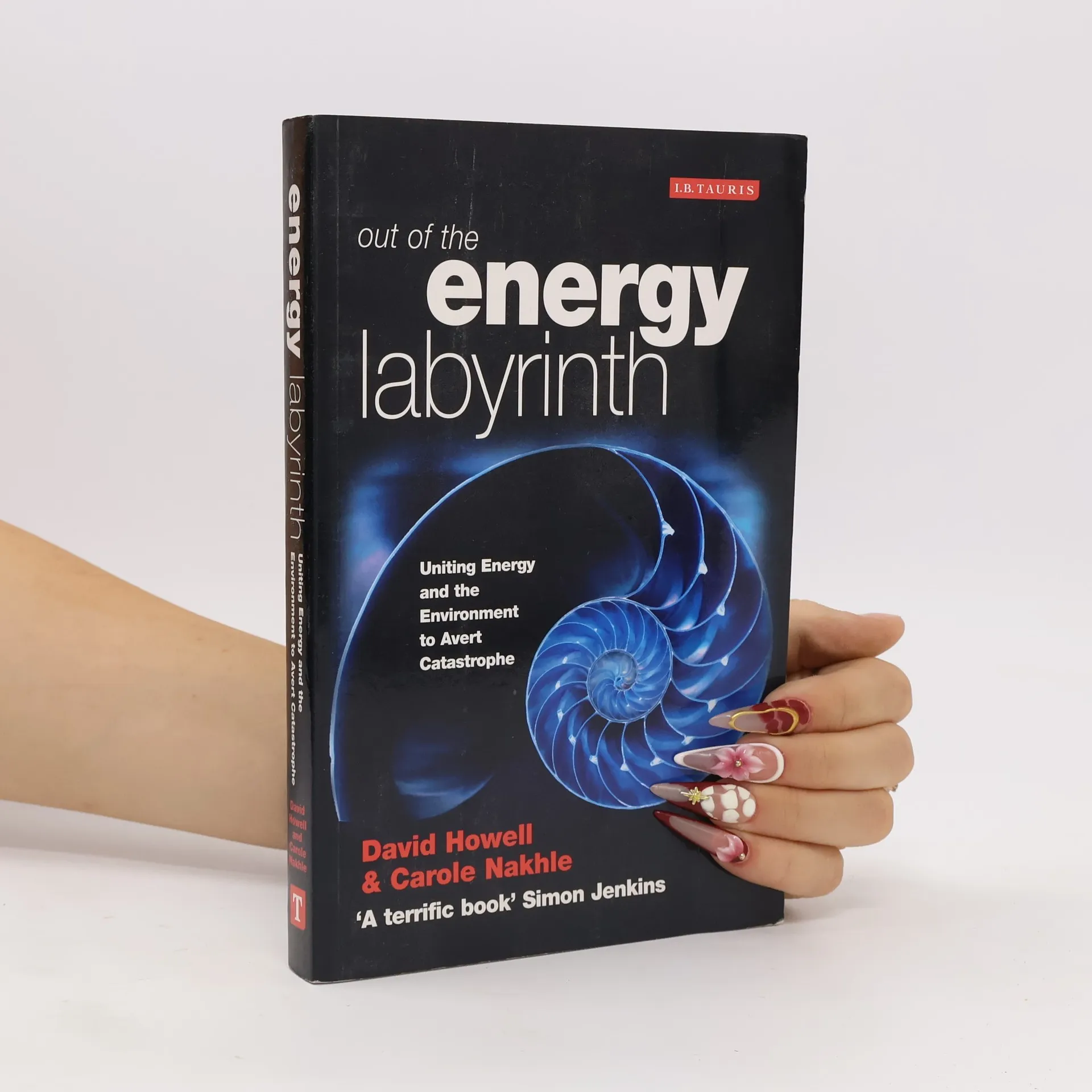


Out of the Energy Labyrinth
Uniting Energy and the Environment to Avert Catastrophe
Authors
Parameters
- 204 pages
- 8 hours of reading
More about the book
In their provocative and original book, the authors argue that energy can become a tool for environmental protection, that energy and environment are not by definition in conflict with each other and that by pooling energy production and environmental protection ideas energy can be part of a solution rather than the problem. This book is firmly grounded in reality (given the demands of China, India and other developing economies) and makes specific proposals: a radical rethinking on energy investment strategies; massive incentives to develop alternative fuel technologies; a ground-breaking public awareness strategy to redirect consumers and policy-makers to embrace fundamental (though essentially painless) change in consumption patterns. The solutions that Howell and Nakhle offer are unapologetically offer short term. This is because they view the problems of climate security as short term. But their solutions have long term consequences. Their important and novel approach makes this book essential reading for an understanding of today's bewildering environmental debates.
Book purchase
Out of the Energy Labyrinth, David Howell, Carole Nakhle
- Language

- Released
- 2007
- Binding
- (Paperback)
Payment methods
No one has rated yet.
- Title
- Out of the Energy Labyrinth
- Subtitle
- Uniting Energy and the Environment to Avert Catastrophe
- Language
- English
- Authors
- David Howell, Carole Nakhle
- Publisher
- I.B. Tauris
- Released
- 2007
- Format
- Paperback
- Pages
- 204
- ISBN10
- 1845115384
- ISBN13
- 9781845115388
- Series
- Description
- In their provocative and original book, the authors argue that energy can become a tool for environmental protection, that energy and environment are not by definition in conflict with each other and that by pooling energy production and environmental protection ideas energy can be part of a solution rather than the problem. This book is firmly grounded in reality (given the demands of China, India and other developing economies) and makes specific proposals: a radical rethinking on energy investment strategies; massive incentives to develop alternative fuel technologies; a ground-breaking public awareness strategy to redirect consumers and policy-makers to embrace fundamental (though essentially painless) change in consumption patterns. The solutions that Howell and Nakhle offer are unapologetically offer short term. This is because they view the problems of climate security as short term. But their solutions have long term consequences. Their important and novel approach makes this book essential reading for an understanding of today's bewildering environmental debates.