



More about the book
In the last few decades, religious and secular thinkers have tackled the world's escalating environmental crisis by attempting to develop an ecological ethic that is both scientifically accurate and free of human-centered preconceptions. This groundbreaking study shows that many of these environmental ethicists continue to model their positions on romantic, pre-Darwinian concepts that disregard the predatory and cruelly competitive realities of the natural world. Examining the work of such influential thinkers as James Gustafson, Sallie McFague, Rosemary Radford Ruether, John Cobb, Peter Singer, and Holmes Rolston, Sideris proposes a more realistic ethic that combines evolutionary theory with theological insight, advocates a minimally interventionist stance toward nature, and values the processes over the products of the natural world.
Book purchase
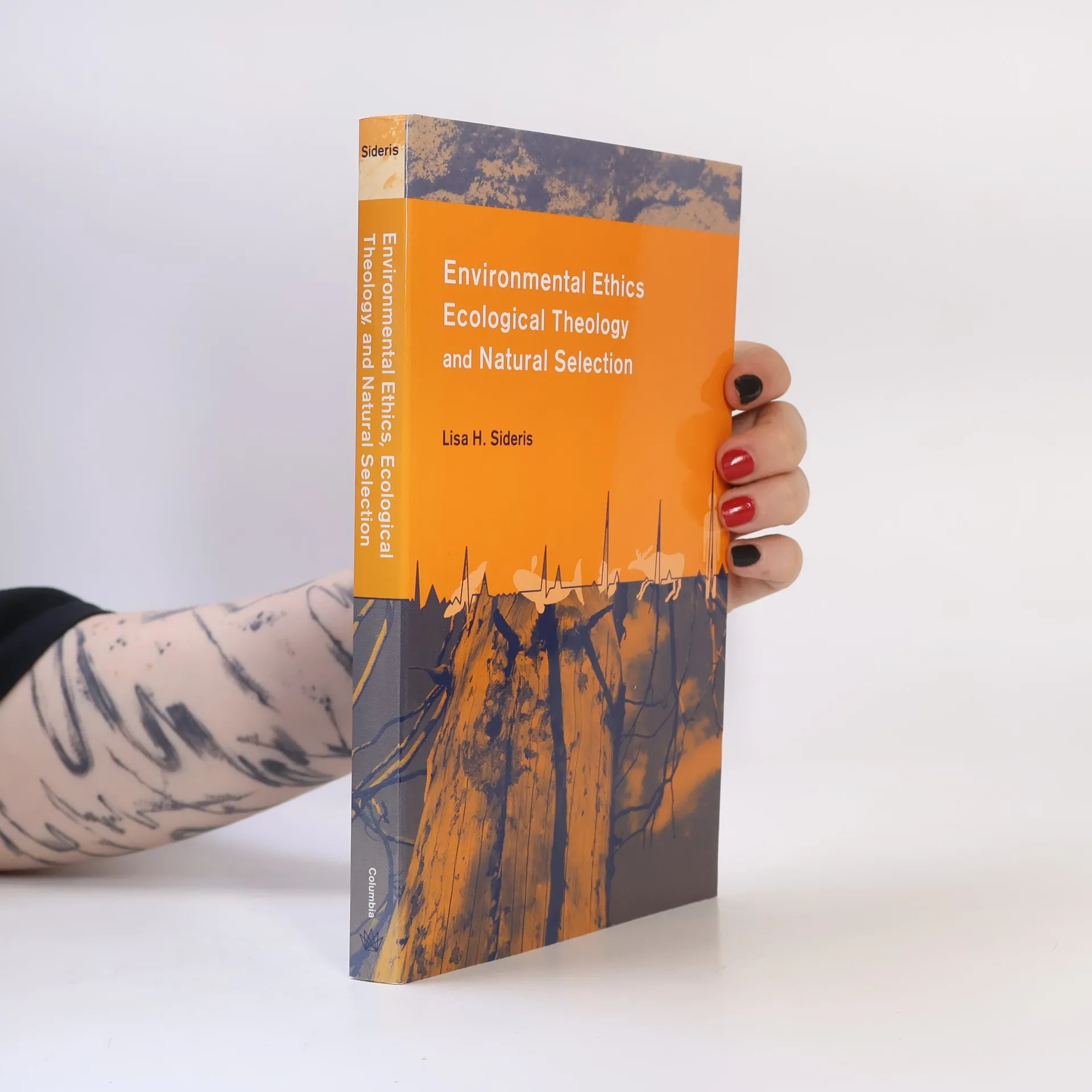
Environmental Ethics, Ecological Theology and Natural Selection, Lisa H. Sideris
- Language

- Released
- 2003
- Binding
- (Paperback)
Payment methods
No one has rated yet.
- Title
- Environmental Ethics, Ecological Theology and Natural Selection
- Language
- English
- Authors
- Lisa H. Sideris
- Publisher
- Columbia University Press
- Released
- 2003
- Format
- Paperback
- Pages
- 328
- ISBN10
- 0231126611
- ISBN13
- 9780231126618
- Series
- Tags
- Theology
- Description
- In the last few decades, religious and secular thinkers have tackled the world's escalating environmental crisis by attempting to develop an ecological ethic that is both scientifically accurate and free of human-centered preconceptions. This groundbreaking study shows that many of these environmental ethicists continue to model their positions on romantic, pre-Darwinian concepts that disregard the predatory and cruelly competitive realities of the natural world. Examining the work of such influential thinkers as James Gustafson, Sallie McFague, Rosemary Radford Ruether, John Cobb, Peter Singer, and Holmes Rolston, Sideris proposes a more realistic ethic that combines evolutionary theory with theological insight, advocates a minimally interventionist stance toward nature, and values the processes over the products of the natural world.