

More about the book
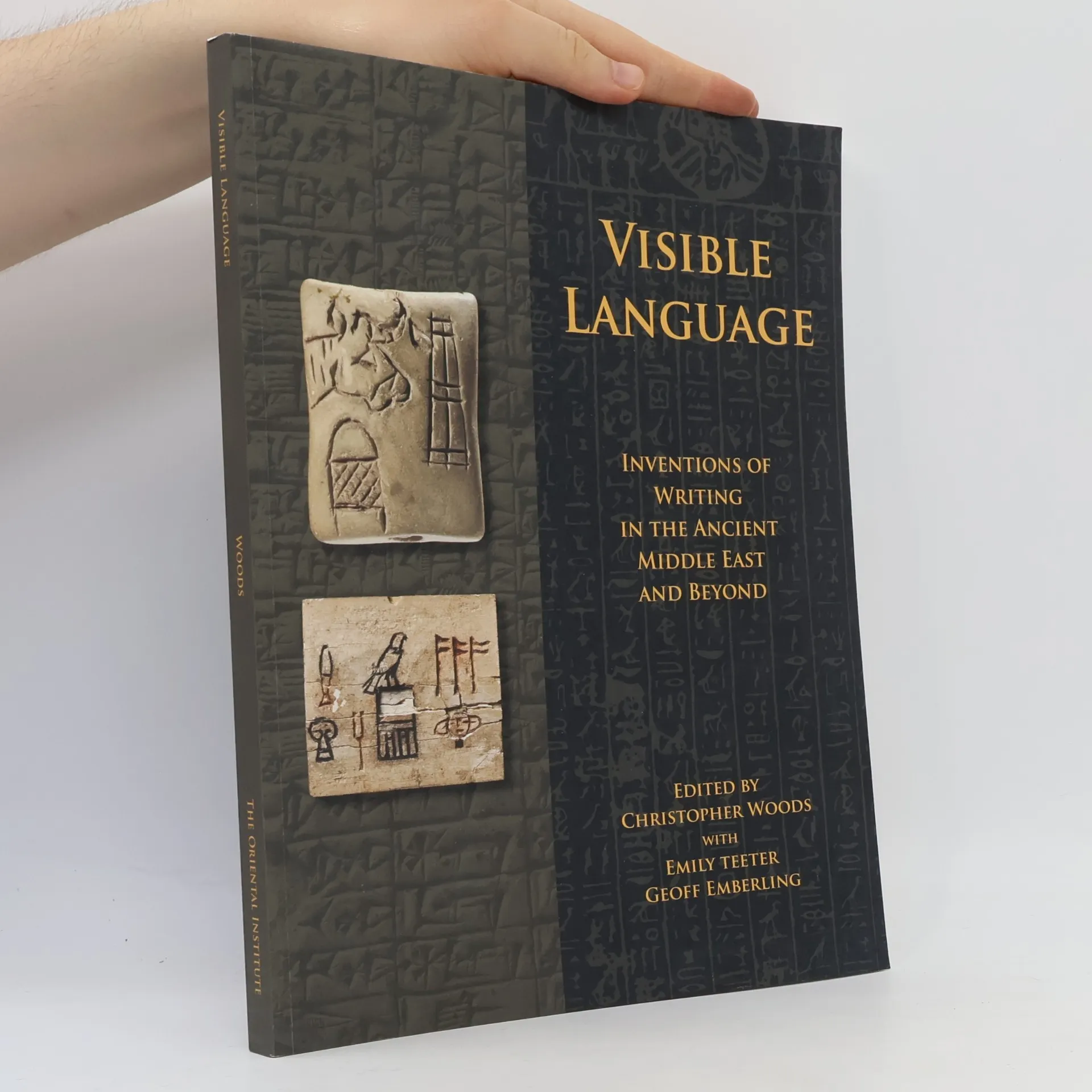
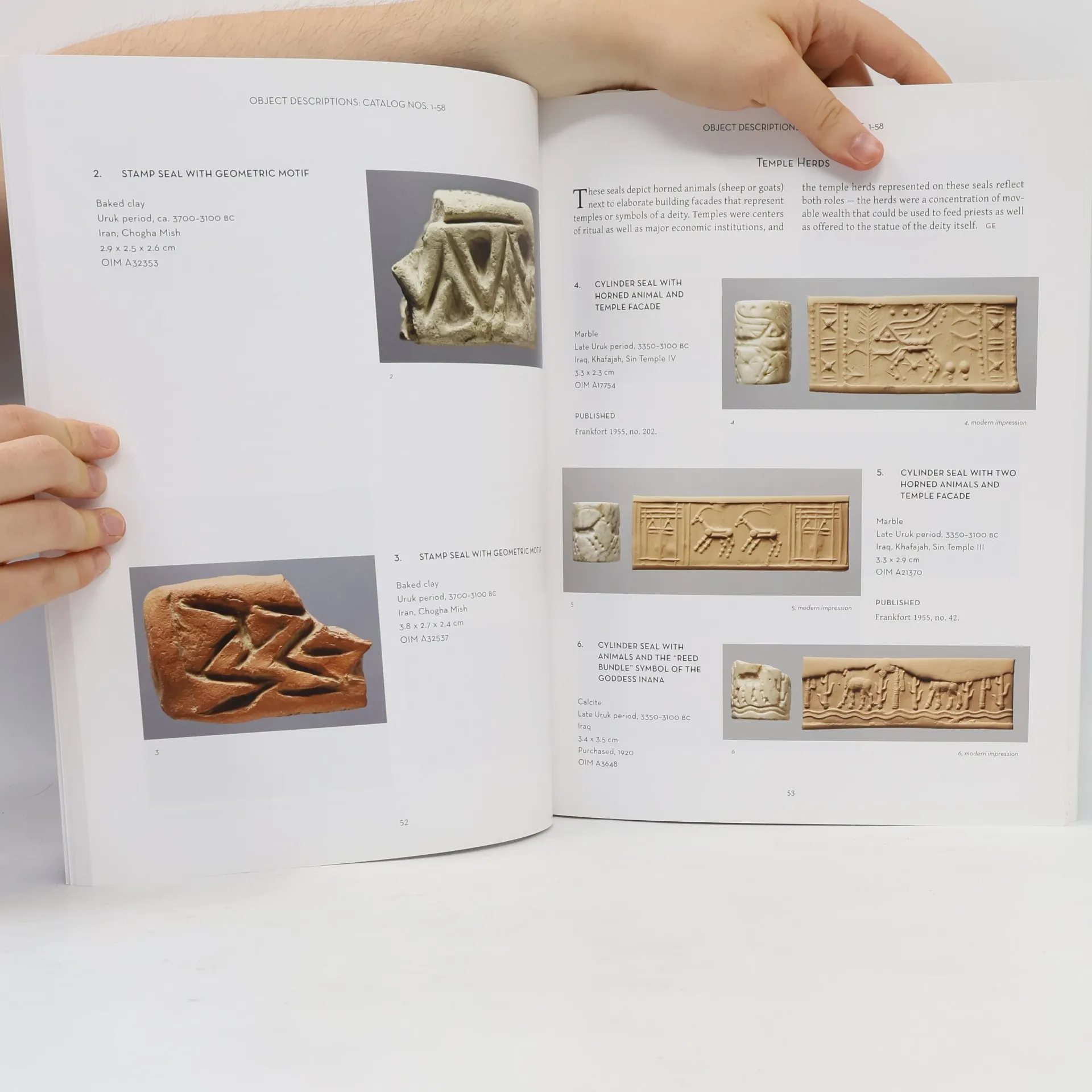
Writing, the ability to make language visible and permanent, is one of humanity's greatest inventions. This book presents current perspectives on the origins and development of writing in Mesopotamia and Egypt, providing an overview of each writing system and its uses. Essays on writing in China and Mesoamerica complete coverage of the four "pristine" writing systems - inventions of writing in which there was no previous exposure to texts. The authors explore what writing is, and is not, and sections of the text are devoted to Anatolian hieroglyphs of Anatolia, and to the development of the alphabet in the Sinai Peninsula in the second millennium BC and its spread to Phoenicia where it spawned the Greek and Latin alphabets. This richly illustrated volume, issued in conjunction with an exhibit at the Oriental Institute, provides a current perspective on, and appreciation of, an invention that changed the course of history.
Book purchase
Oriental Institute Museum Publications - 32: Visible Language, Christopher Woods, Emily Teeter, Geoff Emberling
- Language

- Released
- 2010
- Binding
- (Paperback)
Payment methods
No one has rated yet.
- Title
- Oriental Institute Museum Publications - 32: Visible Language
- Subtitle
- Inventions of Writing in the Ancient Middle East and Beyond
- Language
- English
- Authors
- Christopher Woods, Emily Teeter, Geoff Emberling
- Released
- 2010
- Format
- Paperback
- Pages
- 240
- ISBN10
- 1885923767
- ISBN13
- 9781885923769
- Series
- Categories
- Description
- Writing, the ability to make language visible and permanent, is one of humanity's greatest inventions. This book presents current perspectives on the origins and development of writing in Mesopotamia and Egypt, providing an overview of each writing system and its uses. Essays on writing in China and Mesoamerica complete coverage of the four "pristine" writing systems - inventions of writing in which there was no previous exposure to texts. The authors explore what writing is, and is not, and sections of the text are devoted to Anatolian hieroglyphs of Anatolia, and to the development of the alphabet in the Sinai Peninsula in the second millennium BC and its spread to Phoenicia where it spawned the Greek and Latin alphabets. This richly illustrated volume, issued in conjunction with an exhibit at the Oriental Institute, provides a current perspective on, and appreciation of, an invention that changed the course of history.