


More about the book
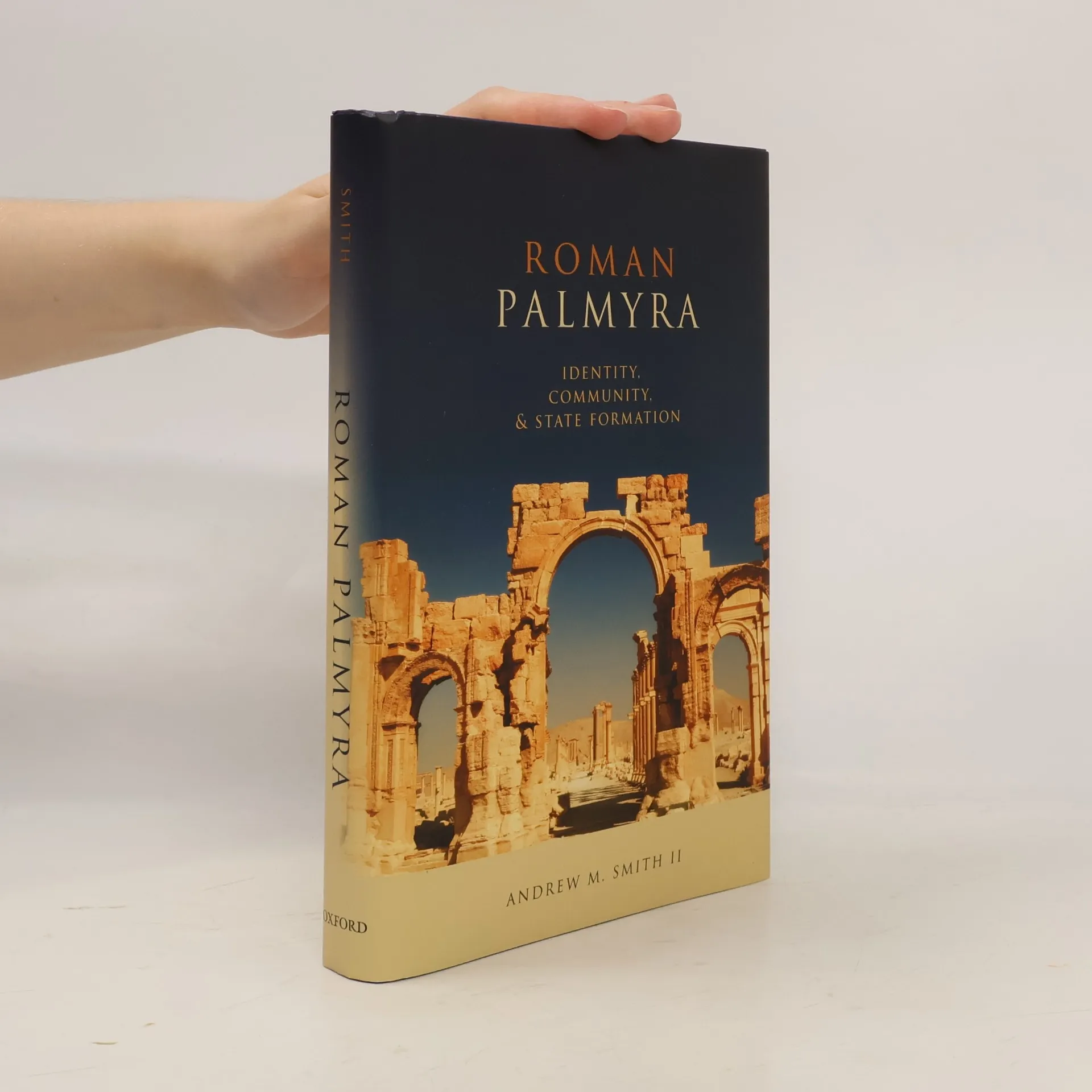
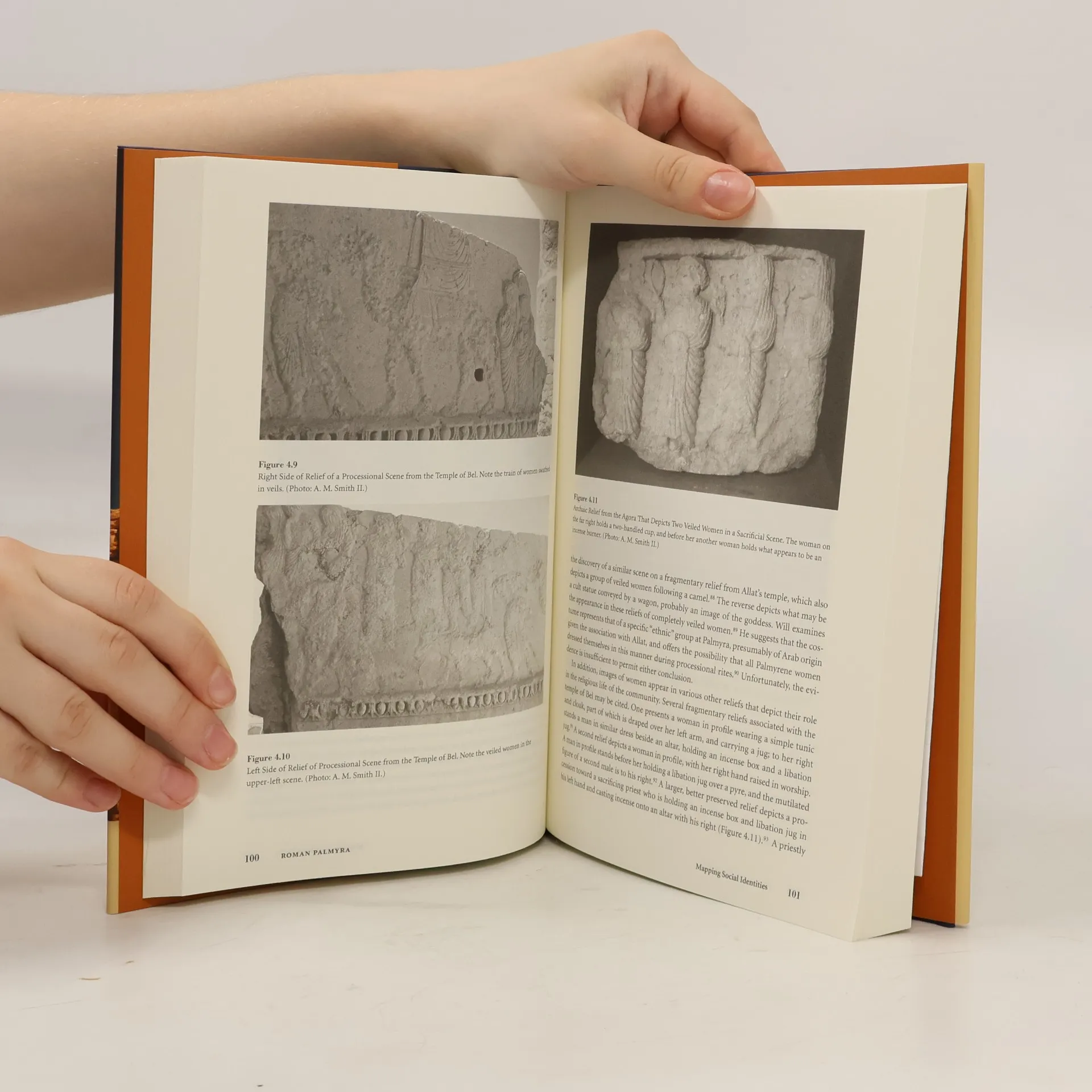
The eastern frontier of the Roman Empire presents a complex social, economic, and cultural landscape that has sparked extensive scholarly debate about Roman-native interactions in the Near East, particularly through the lens of "cultural" imperialism. Andrew M. Smith II conducts a detailed analysis of Palmyrene identity and community formation, focusing on Roman Palmyra, an oasis city in the Syrian Desert. This unique city-state evolved from a modest village into a powerful, cosmopolitan urban center due to its strategic role in caravan trade, operating under Roman patronage yet outside direct Roman control. The study explores two main aspects of Palmyrene civilization during the first three centuries CE: the rise of Palmyra as a commercial and political hub on the frontier with Parthia (and later Persia) and the development of Palmyrene identity. The communal history of Palmyra is illuminated through archaeological and epigraphic evidence, which highlights its achievements and prosperity. Additionally, the book examines the dynamics of sedentarization and the interactions between pastoral and sedentary communities in the Roman Near East. It also extends its focus beyond Syria to investigate the maintenance of Palmyrene identity in diaspora communities across Italy, North Africa, and Europe.
Book purchase
Roman Palmyra, Andrew Michael Smith II
- Language

- Released
- 2013
- Binding
- (Hardcover)
Payment methods
No one has rated yet.
- Title
- Roman Palmyra
- Subtitle
- Identity, Community, and State Formation
- Language
- English
- Authors
- Andrew Michael Smith II
- Publisher
- Oxford University Press
- Released
- 2013
- Format
- Hardcover
- Pages
- 293
- ISBN10
- 0199861102
- ISBN13
- 9780199861101
- Series
- Categories
- Tags
- Historical Themes, Politics, USA, Ancient History, Archaeology, Social History, Syria, Social Conditions
- Description
- The eastern frontier of the Roman Empire presents a complex social, economic, and cultural landscape that has sparked extensive scholarly debate about Roman-native interactions in the Near East, particularly through the lens of "cultural" imperialism. Andrew M. Smith II conducts a detailed analysis of Palmyrene identity and community formation, focusing on Roman Palmyra, an oasis city in the Syrian Desert. This unique city-state evolved from a modest village into a powerful, cosmopolitan urban center due to its strategic role in caravan trade, operating under Roman patronage yet outside direct Roman control. The study explores two main aspects of Palmyrene civilization during the first three centuries CE: the rise of Palmyra as a commercial and political hub on the frontier with Parthia (and later Persia) and the development of Palmyrene identity. The communal history of Palmyra is illuminated through archaeological and epigraphic evidence, which highlights its achievements and prosperity. Additionally, the book examines the dynamics of sedentarization and the interactions between pastoral and sedentary communities in the Roman Near East. It also extends its focus beyond Syria to investigate the maintenance of Palmyrene identity in diaspora communities across Italy, North Africa, and Europe.