

More about the book
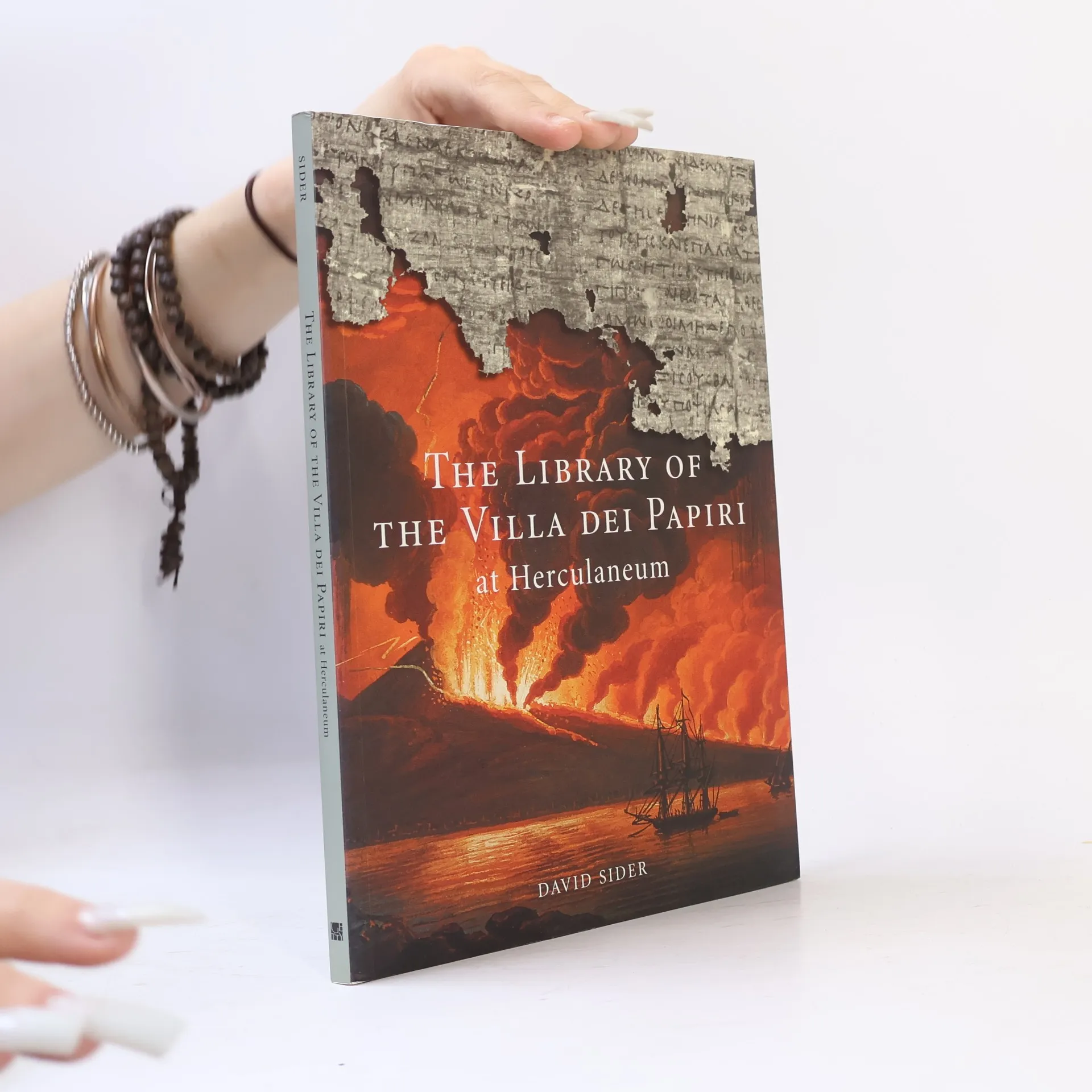
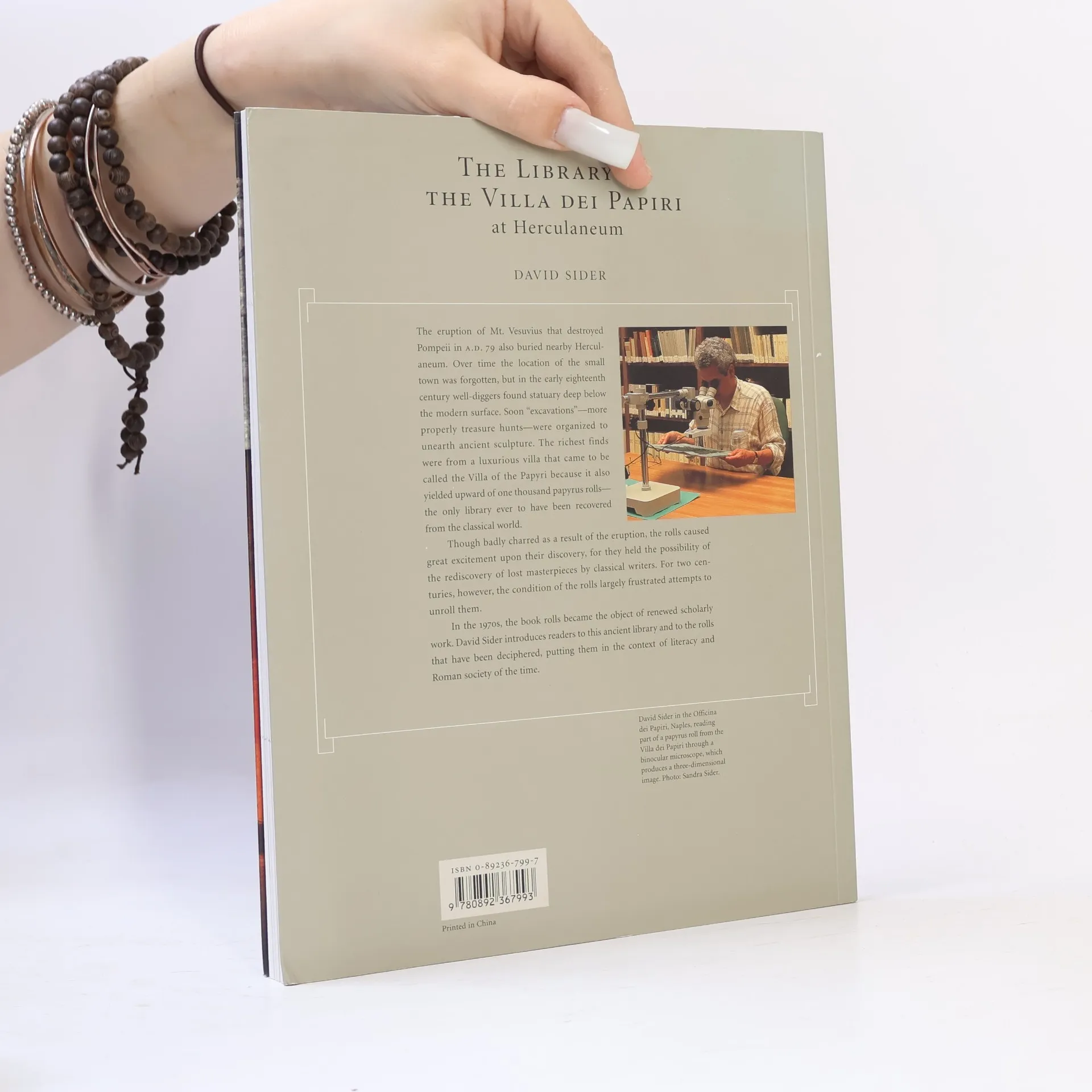
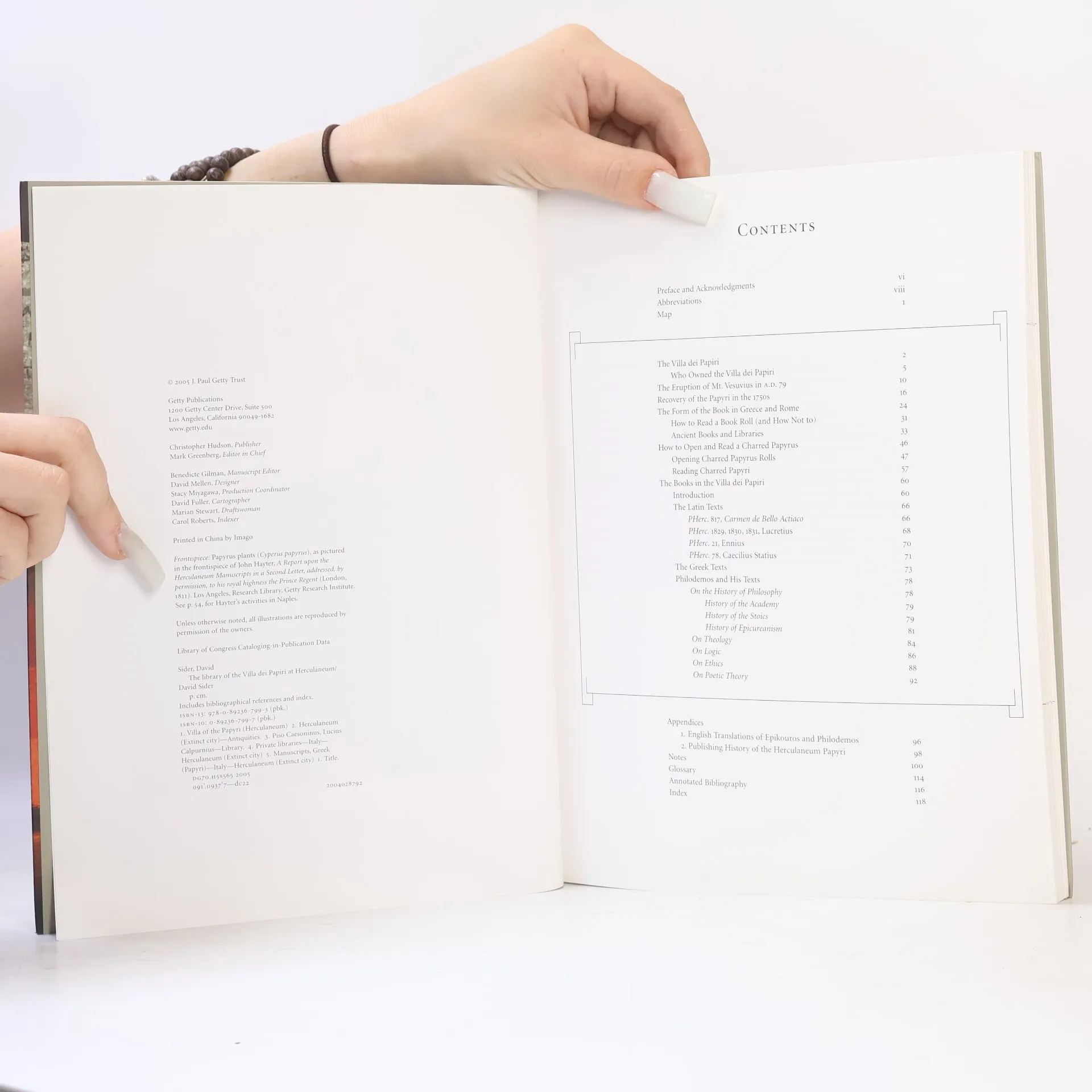
The eruption of Mt. Vesuvius that destroyed Pompeii in A.D. 79 also buried nearby Herculaneum. Over time the location of the small town was forgotten. Shortly after its rediscovery in the 1730s, excavations--more likely treasure hunts--were organized that unearthed ancient sculptures that hadsurvived the disaster. The richest finds were from a villa that came to be called the Villa dei Papiri, because it also yielded upward of a thousand papyrus rolls--the only library ever to have been recovered from the classical world. To the great excitement of contemporaries, the papyri held outthe tantalizing possibility of the rediscovery of lost masterpieces by classical writers.Written for the general reader, this introduction to the ancient library describes the long and difficult history of attempts to unwind the damaged rolls. Sider discusses the texts that have been deciphered and puts them in the context of literacy and Roman society of the time. He describes the howthe ancient books were created from papyrus, and provides an account of attitudes toward books in Greece and Rome. He also surveys the private and civic libraries of the ancient world. This thoroughly researched and engaging book will be enjoyed by any reader with an interest in classicalstudies.
Book purchase
The Library of the Villa dei Papiri at Herculaneum, David Sider
- Language

- Released
- 2005
- Binding
- (Paperback)
Payment methods
No one has rated yet.
- Title
- The Library of the Villa dei Papiri at Herculaneum
- Language
- English
- Authors
- David Sider
- Publisher
- J. Paul Getty Museum
- Released
- 2005
- Format
- Paperback
- Pages
- 132
- ISBN10
- 0892367997
- ISBN13
- 9780892367993
- Series
- Categories
- Tags
- Description
- The eruption of Mt. Vesuvius that destroyed Pompeii in A.D. 79 also buried nearby Herculaneum. Over time the location of the small town was forgotten. Shortly after its rediscovery in the 1730s, excavations--more likely treasure hunts--were organized that unearthed ancient sculptures that hadsurvived the disaster. The richest finds were from a villa that came to be called the Villa dei Papiri, because it also yielded upward of a thousand papyrus rolls--the only library ever to have been recovered from the classical world. To the great excitement of contemporaries, the papyri held outthe tantalizing possibility of the rediscovery of lost masterpieces by classical writers.Written for the general reader, this introduction to the ancient library describes the long and difficult history of attempts to unwind the damaged rolls. Sider discusses the texts that have been deciphered and puts them in the context of literacy and Roman society of the time. He describes the howthe ancient books were created from papyrus, and provides an account of attitudes toward books in Greece and Rome. He also surveys the private and civic libraries of the ancient world. This thoroughly researched and engaging book will be enjoyed by any reader with an interest in classicalstudies.