

More about the book
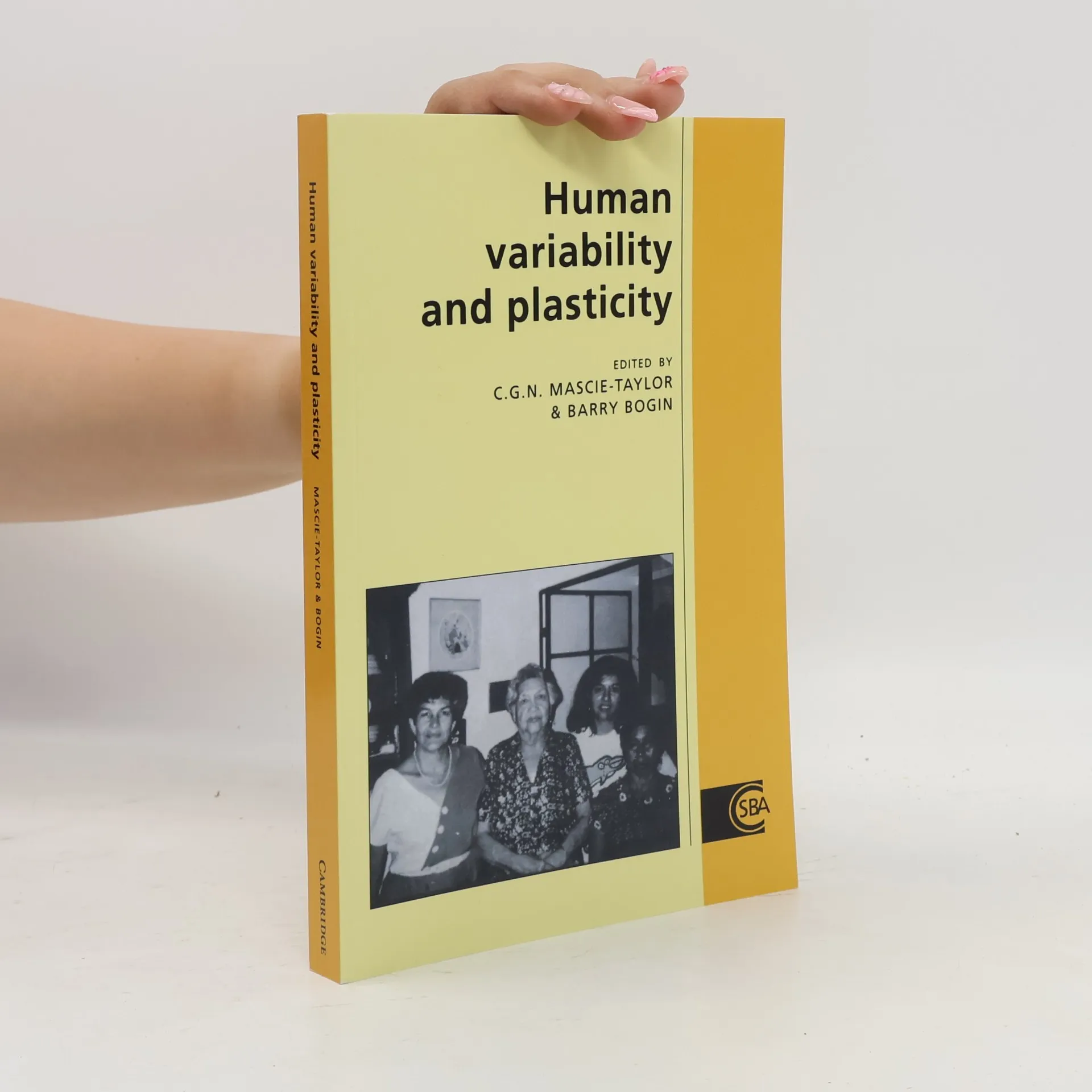
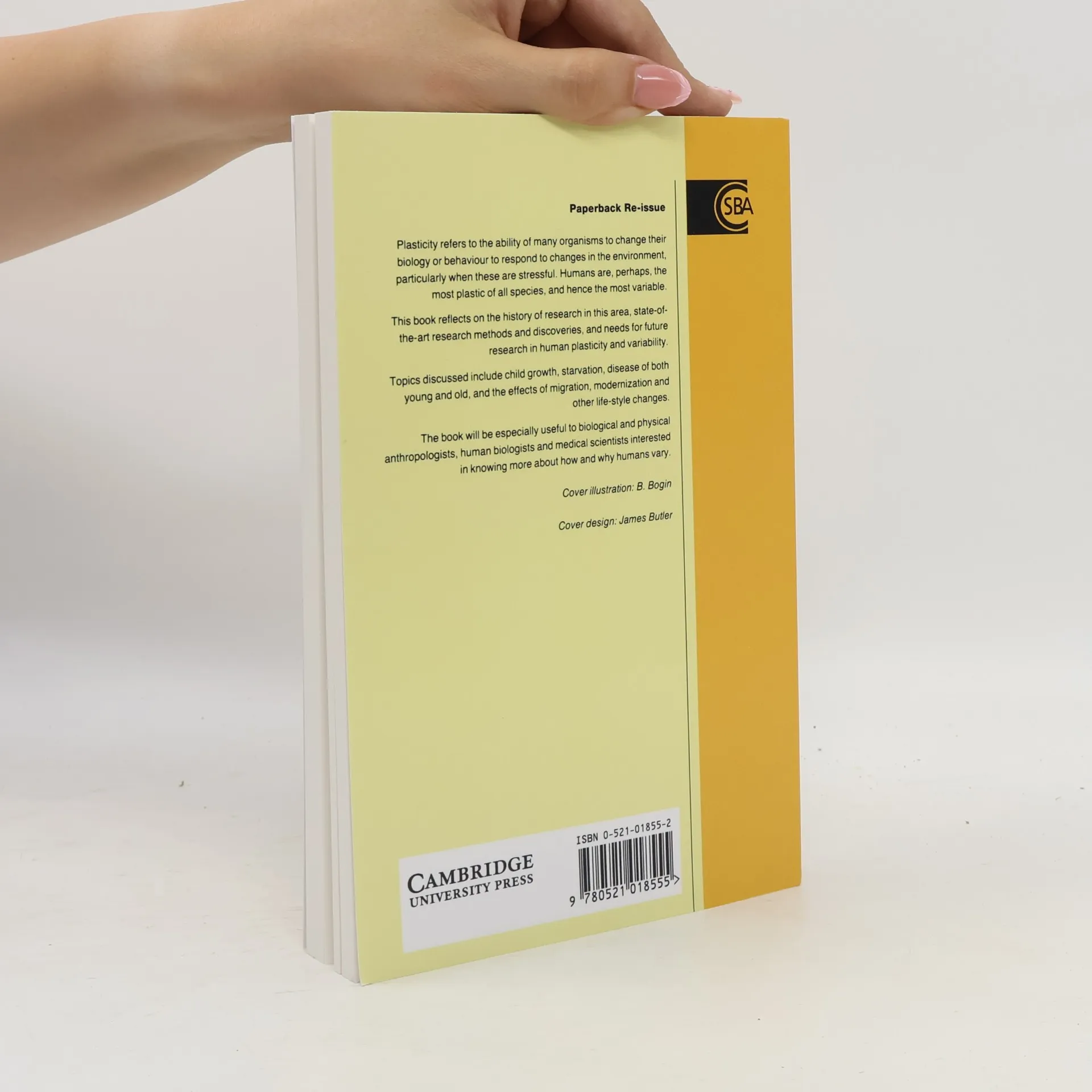
Plasticity refers to the ability of many organisms to change their biology or behavior to respond to changes in the environment. Humans are probably the most plastic of all species, and hence the most variable. This is the first book to examine the history of research in this area and it provides information on state-of-the-art research methods and discoveries. It also maps out some areas of future research in human plasticity and variability. Topics discussed include child growth, starvation, diseases of both young and old, and the effects of migration, modernization and other life-style changes. The book will be especially useful to biological anthropologists, human biologists and medical scientists interested in knowing more about how and why humans vary.
Book purchase
Cambridge Studies in Biological and Evolutionary Anthropology: Human Variability and Plasticity, C. G. Nicholas Mascie-Taylor, Barry Bogin, Harri
- Language

- Released
- 2005
- Binding
- (Paperback),
- Book condition
- Very Good
- Price
- €6.09
Payment methods
No one has rated yet.
- Title
- Cambridge Studies in Biological and Evolutionary Anthropology: Human Variability and Plasticity
- Language
- English
- Authors
- C. G. Nicholas Mascie-Taylor, Barry Bogin, Harri
- Publisher
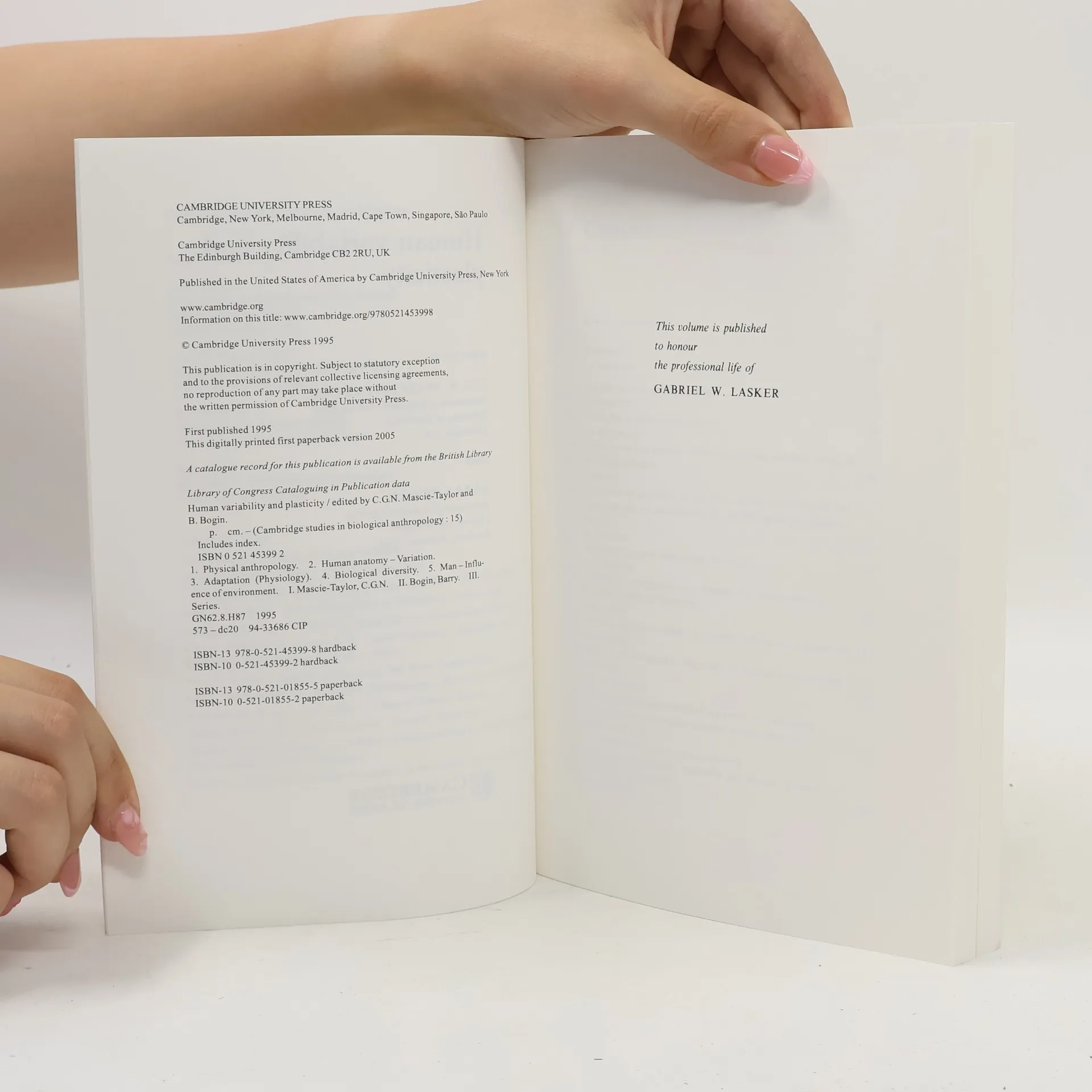
- Cambridge University Press
- Released
- 2005
- Format
- Paperback
- Pages
- 256
- ISBN10
- 0521018552
- ISBN13
- 9780521018555
- Series
- Categories
- Tags
- Science, Evolution, Human Biology
- Description
- Plasticity refers to the ability of many organisms to change their biology or behavior to respond to changes in the environment. Humans are probably the most plastic of all species, and hence the most variable. This is the first book to examine the history of research in this area and it provides information on state-of-the-art research methods and discoveries. It also maps out some areas of future research in human plasticity and variability. Topics discussed include child growth, starvation, diseases of both young and old, and the effects of migration, modernization and other life-style changes. The book will be especially useful to biological anthropologists, human biologists and medical scientists interested in knowing more about how and why humans vary.