

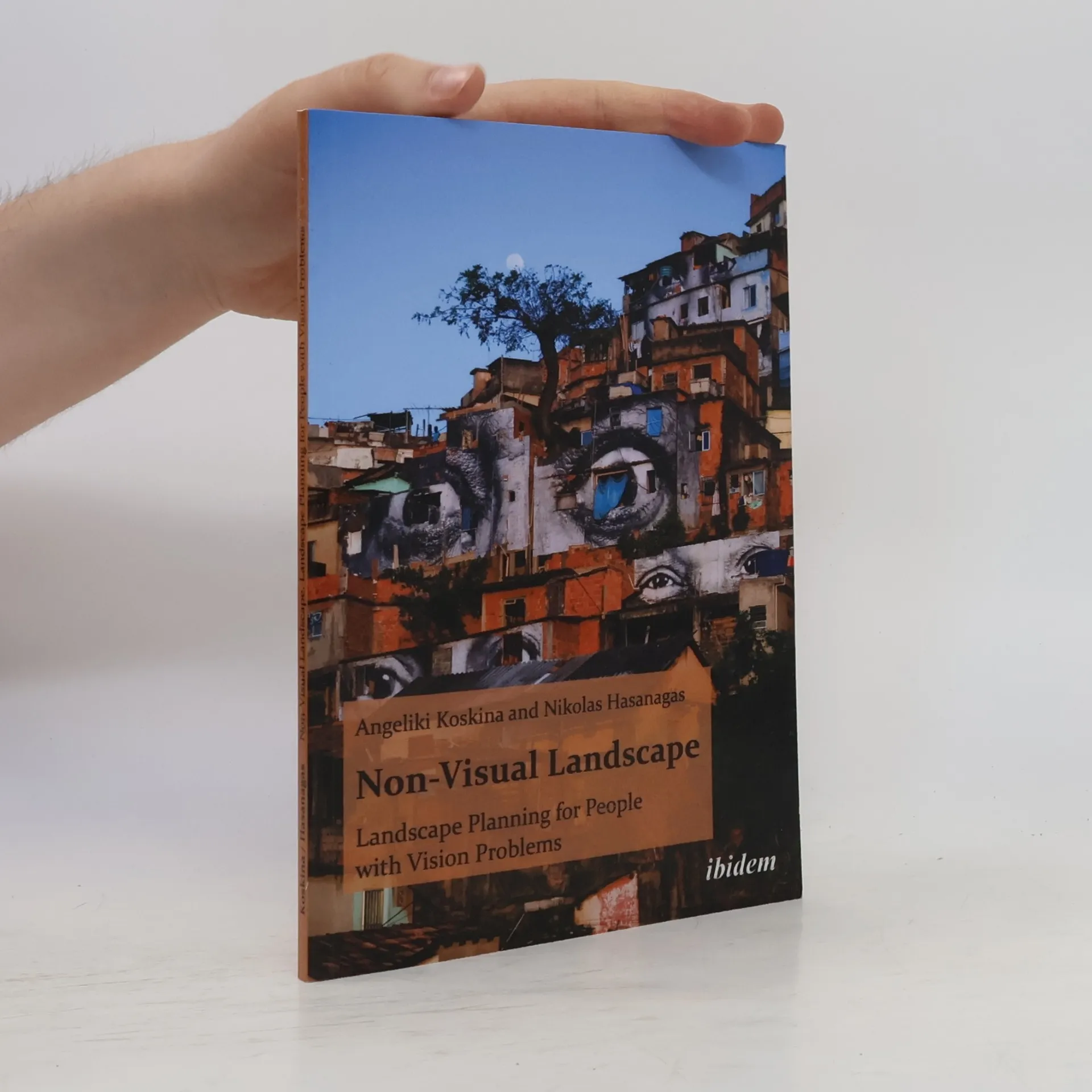
Non-Visual Landscape
Parameters
- 102 pages
- 4 hours of reading
More about the book
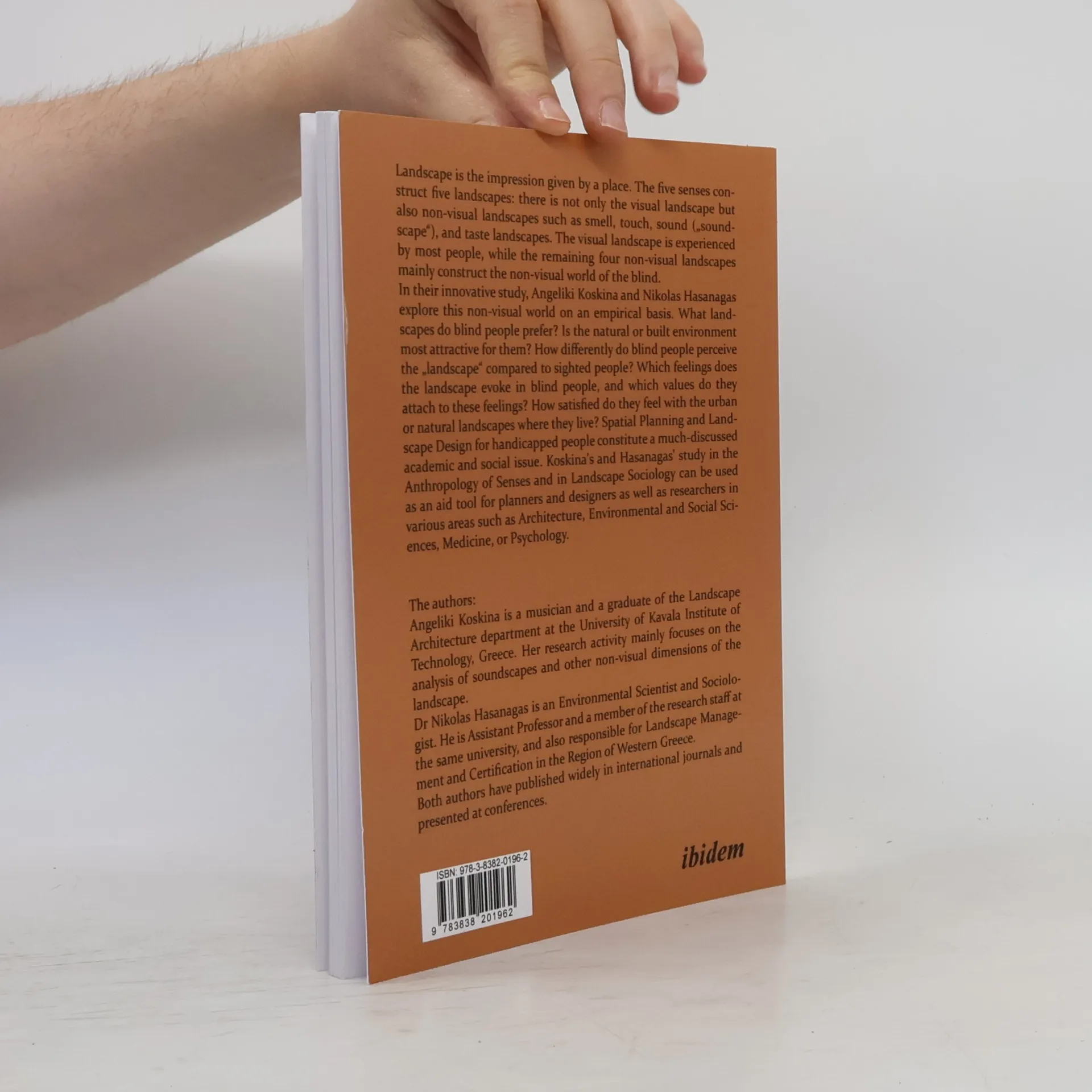
Landscape is the impression given by a place. The five senses construct five landscapes: there is not only the visual landscape but also non-visual landscapes such as smell, touch, sound („sound-scape“), and taste landscapes. The visual landscape is experienced by most people, while the remaining four non-visual landscapes mainly construct the non-visual world of the blind. In their innovative study, Angeliki Koskina and Nikolas Hasanagas explore this non-visual world on an empirical basis. What land-scapes do blind people prefer? Is the natural or built environment most attractive for them? How differently do blind people perceive the „landscape“ compared to sighted people? Which feelings does the landscape evoke in blind people, and which values do they attach to these feelings? How satisfied do they feel with the urban or natural landscapes where they live? Spatial Planning and Land-scape Design for handicapped people constitute a much-discussed academic and social issue. Koskina's and Hasanagas' study in the Anthropology of Senses and in Landscape Sociology can be used as an aid tool for planners and designers as well as researchers in various areas such as Architecture, Medicine, Social Sciences, or Psychology.
Book purchase
Non-Visual Landscape, Nikolas Hasanagas, Angeliki Koskina
- Language

- Released
- 2011
- Binding
- (Paperback)
Payment methods
No one has rated yet.
- Title
- Non-Visual Landscape
- Language
- English
- Authors
- Nikolas Hasanagas, Angeliki Koskina
- Publisher
- Ibidem-Verlag
- Released
- 2011
- Format
- Paperback
- Pages
- 102
- ISBN10
- 3838201965
- ISBN13
- 9783838201962
- Series
- Categories
- Tags
- Psychological Topics, Architecture, Medicine, Urbanism, Urbanization, Landscape, People with Disabilities, Spatial Planning
- Description
- Landscape is the impression given by a place. The five senses construct five landscapes: there is not only the visual landscape but also non-visual landscapes such as smell, touch, sound („sound-scape“), and taste landscapes. The visual landscape is experienced by most people, while the remaining four non-visual landscapes mainly construct the non-visual world of the blind. In their innovative study, Angeliki Koskina and Nikolas Hasanagas explore this non-visual world on an empirical basis. What land-scapes do blind people prefer? Is the natural or built environment most attractive for them? How differently do blind people perceive the „landscape“ compared to sighted people? Which feelings does the landscape evoke in blind people, and which values do they attach to these feelings? How satisfied do they feel with the urban or natural landscapes where they live? Spatial Planning and Land-scape Design for handicapped people constitute a much-discussed academic and social issue. Koskina's and Hasanagas' study in the Anthropology of Senses and in Landscape Sociology can be used as an aid tool for planners and designers as well as researchers in various areas such as Architecture, Medicine, Social Sciences, or Psychology.