



Parameters
- 200 pages
- 7 hours of reading
More about the book
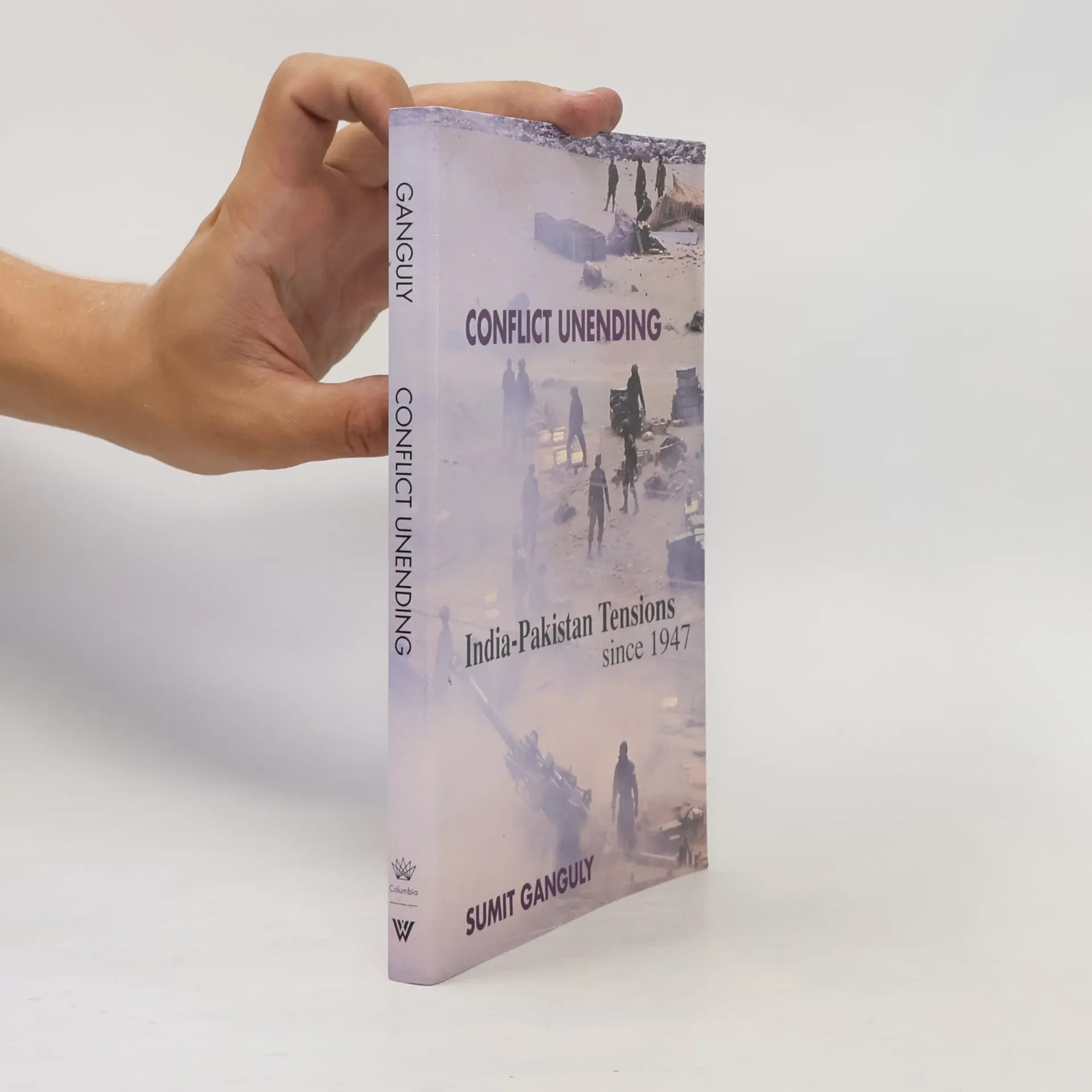
The escalating tensions between India and Pakistan have received renewed attention of late. Since their genesis in 1947, the nations of India and Pakistan have been locked in a seemingly endless spiral of hostility over the disputed territory of Kashmir. Ganguly asserts that the two nations remain mired in conflict due to inherent features of their nationalist agendas. Indian nationalist leadership chose to hold on to this Muslim-majority state to prove that minorities could thrive in a plural, secular polity. Pakistani nationalists argued with equal force that they could not part with Kashmir as part of the homeland created for the Muslims of South Asia. Ganguly authoritatively analyzes why hostility persists even after the dissipation of the pristine ideological visions of the two states and discusses their dual path to overt acquisition of nuclear weapons, as well as the current prospects for war and peace in the region.
Book purchase
Conflict Unending, Sumit Ganguly
- Language

- Released
- 2001
- Binding
- (Paperback),
- Book condition
- Good
- Price
- €3.69
Payment methods
No one has rated yet.
- Title
- Conflict Unending
- Language
- English
- Authors
- Sumit Ganguly
- Publisher
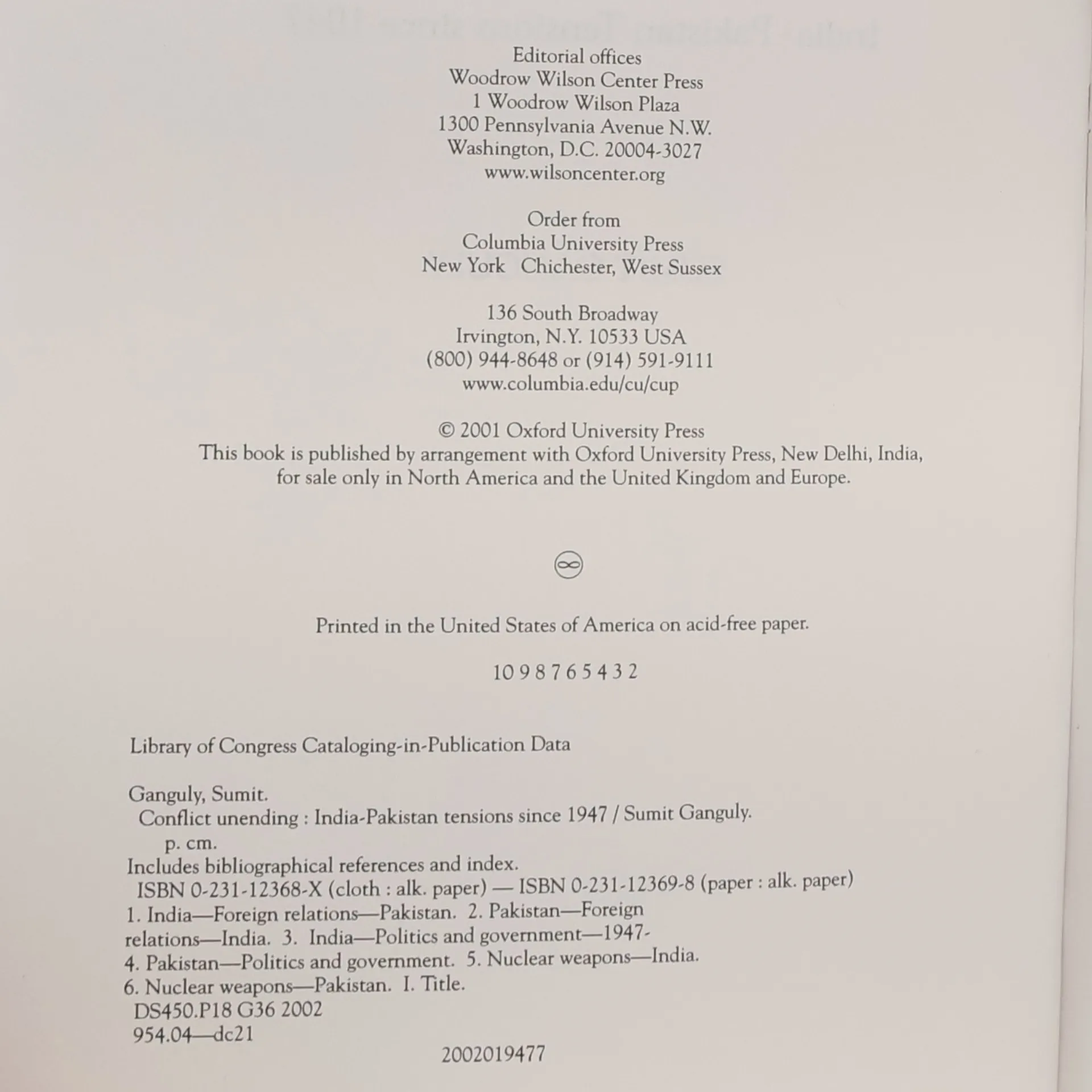
- Columbia University Press
- Released
- 2001
- Format
- Paperback
- Pages
- 200
- ISBN10
- 0231123698
- ISBN13
- 9780231123693
- Series
- Description
- The escalating tensions between India and Pakistan have received renewed attention of late. Since their genesis in 1947, the nations of India and Pakistan have been locked in a seemingly endless spiral of hostility over the disputed territory of Kashmir. Ganguly asserts that the two nations remain mired in conflict due to inherent features of their nationalist agendas. Indian nationalist leadership chose to hold on to this Muslim-majority state to prove that minorities could thrive in a plural, secular polity. Pakistani nationalists argued with equal force that they could not part with Kashmir as part of the homeland created for the Muslims of South Asia. Ganguly authoritatively analyzes why hostility persists even after the dissipation of the pristine ideological visions of the two states and discusses their dual path to overt acquisition of nuclear weapons, as well as the current prospects for war and peace in the region.