

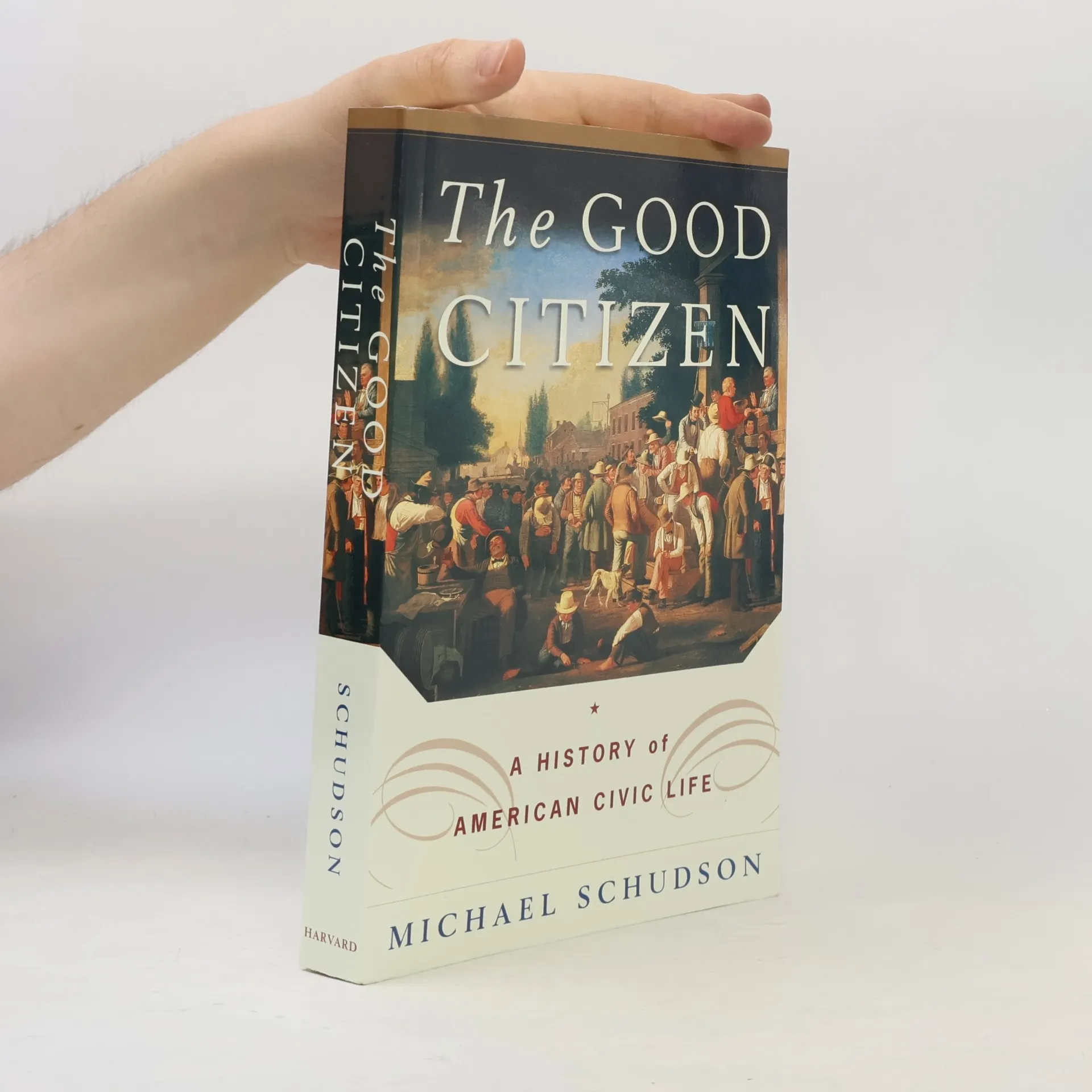


Parameters
- 402 pages
- 15 hours of reading
More about the book
In 1996, less than half of all eligible voters bothered to vote. Fewer citizens each year follow government and public affairs regularly. Is popular sovereignty a failure? Not necessarily, argues Michael Schudson in this provocative history of citizenship in America. Schudson sees American politics as evolving from a "politics of assent" in colonial times and the eighteenth century, in which voting generally reaffirmed the social hierarchy of the community; to a "politics of affiliation" in the nineteenth century, in which party loyalty was paramount for the good citizen . Progressive reforms around the turn of the century reduced the power of parties and increased the role of education, making way for the "informed citizen," which remains the ideal in American civic life. Today a fourth model, "the rights-bearing citizen," supplements the "informed citizen" model and makes the courthouse as well as the voting booth a channel for citizenship.
Book purchase
The Good Citizen, Michael Schudson
- Language

- Released
- 1999
- Binding
- (Paperback),
- Book condition
- Good
- Price
- €4.09
Payment methods
No one has rated yet.
- Title
- The Good Citizen
- Subtitle
- A History of American Civic Life
- Language
- English
- Authors
- Michael Schudson
- Publisher
- Harvard University Press
- Released
- 1999
- Format
- Paperback
- Pages
- 402
- ISBN10
- 0674356403
- ISBN13
- 9780674356405
- Series
- Tags
- Historical Themes, Politics, USA, 20th century, 19th century, Political Theories, North America, Citizenship
- Description
- In 1996, less than half of all eligible voters bothered to vote. Fewer citizens each year follow government and public affairs regularly. Is popular sovereignty a failure? Not necessarily, argues Michael Schudson in this provocative history of citizenship in America. Schudson sees American politics as evolving from a "politics of assent" in colonial times and the eighteenth century, in which voting generally reaffirmed the social hierarchy of the community; to a "politics of affiliation" in the nineteenth century, in which party loyalty was paramount for the good citizen . Progressive reforms around the turn of the century reduced the power of parties and increased the role of education, making way for the "informed citizen," which remains the ideal in American civic life. Today a fourth model, "the rights-bearing citizen," supplements the "informed citizen" model and makes the courthouse as well as the voting booth a channel for citizenship.