


Parameters
- 269 pages
- 10 hours of reading
More about the book
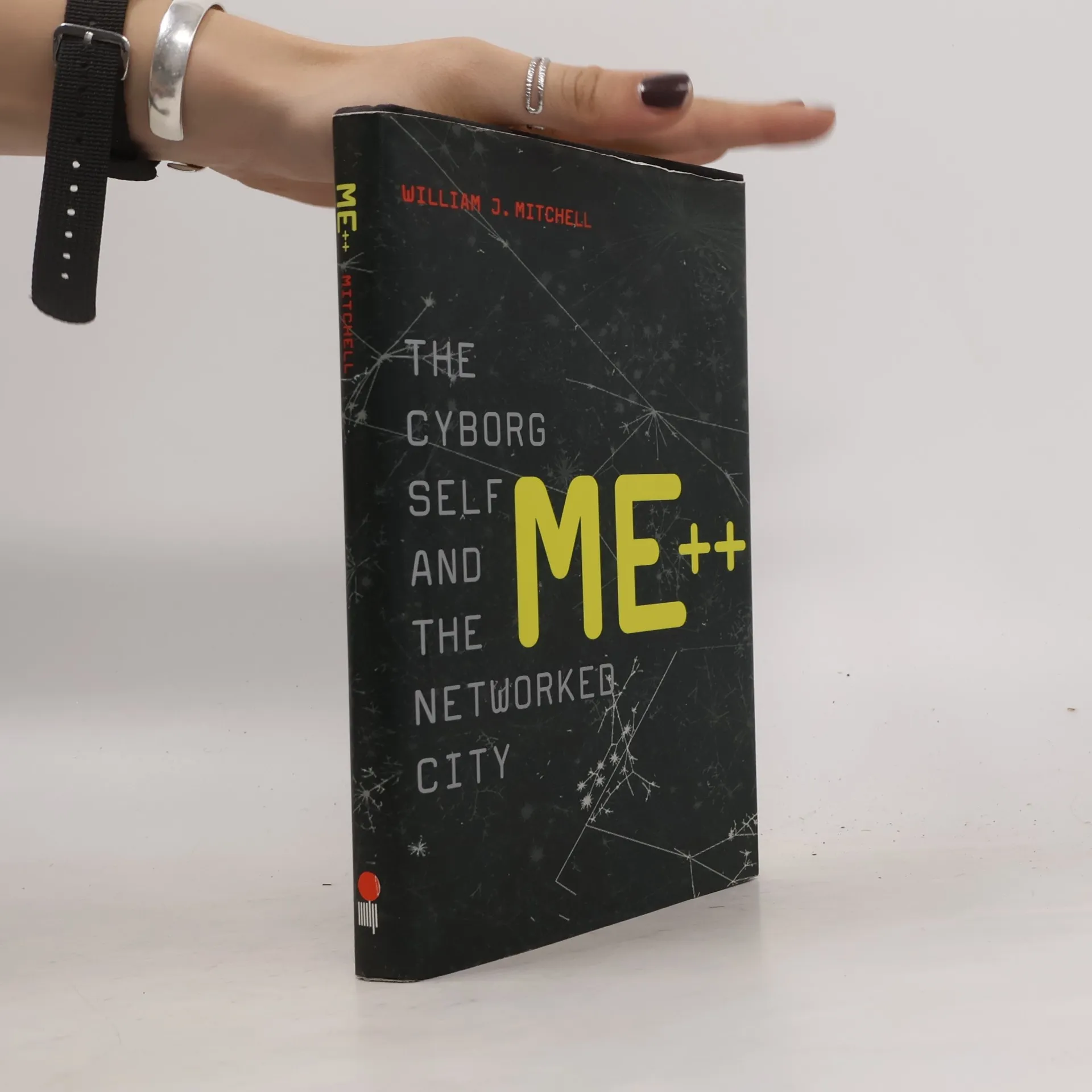
The transformation of wireless technology and the creation of an interconnected world are reshaping our environment and lives. The author explores the evolution of wireless technology over the past century, highlighting the shift from Marconi's large apparatus to today's compact cellphones. This change has altered our relationship with our surroundings and each other, as modern devices serve as extensions of the human body rather than mere tools. The events of September 11 exemplified this new state of continuous electronic engagement, where bits and atoms are increasingly intertwined. Mitchell argues that the separation between digital information and physical reality is dissolving, with events in cyberspace influencing those in the physical world and vice versa. He examines the implications of wireless connectivity, global interconnection, miniaturization, and portability on our bodies, architecture, and urban spaces. The rise of computer viruses, power outages, and pervasive cellphone use reflects a new urban condition characterized by inescapable network interconnectivity. This evolving landscape challenges us to rethink our environments and reconsider the ethical foundations of design, engineering, and planning practices in a world increasingly defined by connections rather than boundaries.
Book purchase
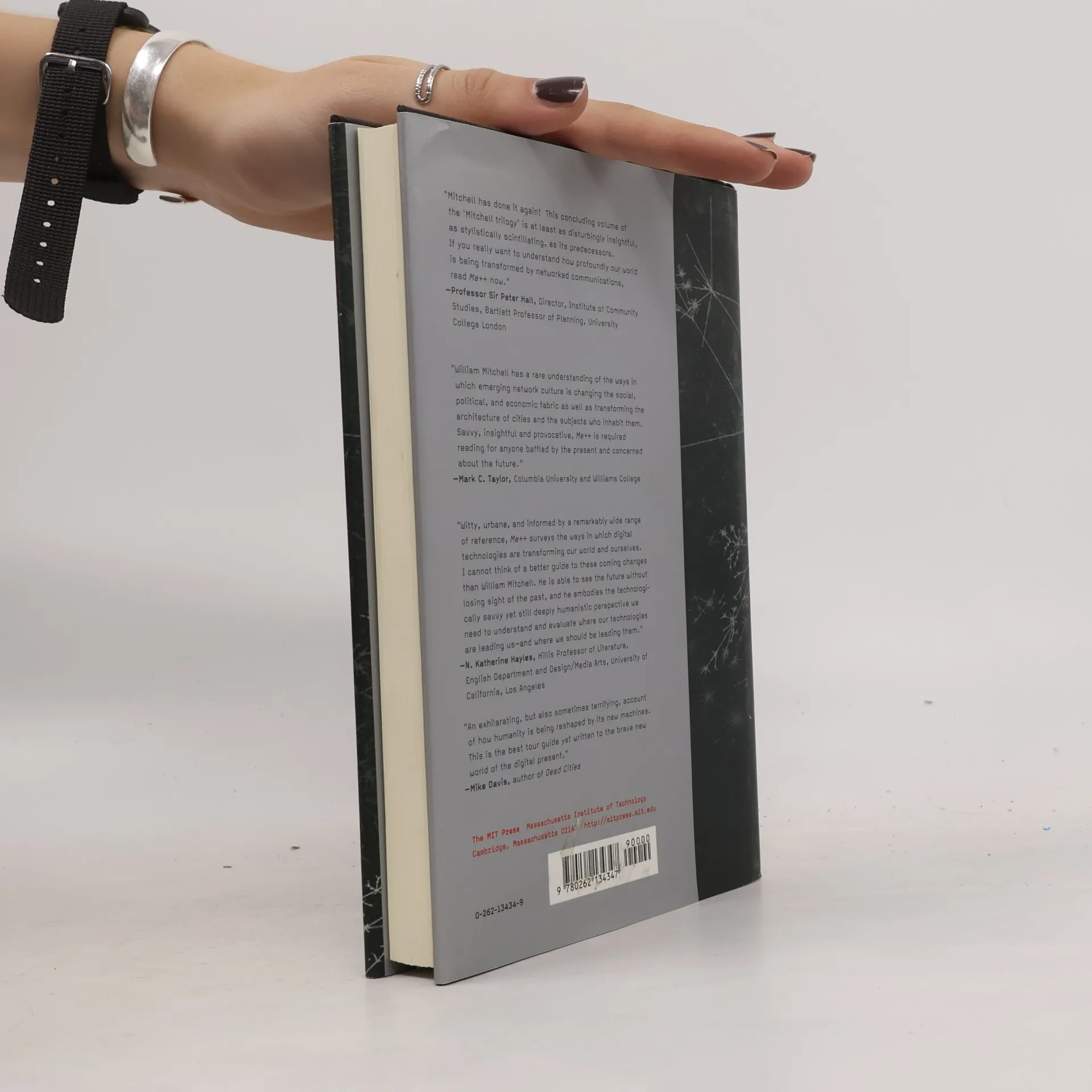
Me++, William J. Mitchell
- Language

- Released
- 2003
- Binding
- (Hardcover)
Payment methods
No one has rated yet.
- Title
- Me++
- Subtitle
- The Cyborg Self and the Networked City
- Language
- English
- Authors
- William J. Mitchell
- Publisher
- MIT Press
- Released
- 2003
- Format
- Hardcover
- Pages
- 269
- ISBN10
- 0262134349
- ISBN13
- 9780262134347
- Series
- Description
- The transformation of wireless technology and the creation of an interconnected world are reshaping our environment and lives. The author explores the evolution of wireless technology over the past century, highlighting the shift from Marconi's large apparatus to today's compact cellphones. This change has altered our relationship with our surroundings and each other, as modern devices serve as extensions of the human body rather than mere tools. The events of September 11 exemplified this new state of continuous electronic engagement, where bits and atoms are increasingly intertwined. Mitchell argues that the separation between digital information and physical reality is dissolving, with events in cyberspace influencing those in the physical world and vice versa. He examines the implications of wireless connectivity, global interconnection, miniaturization, and portability on our bodies, architecture, and urban spaces. The rise of computer viruses, power outages, and pervasive cellphone use reflects a new urban condition characterized by inescapable network interconnectivity. This evolving landscape challenges us to rethink our environments and reconsider the ethical foundations of design, engineering, and planning practices in a world increasingly defined by connections rather than boundaries.