

More about the book
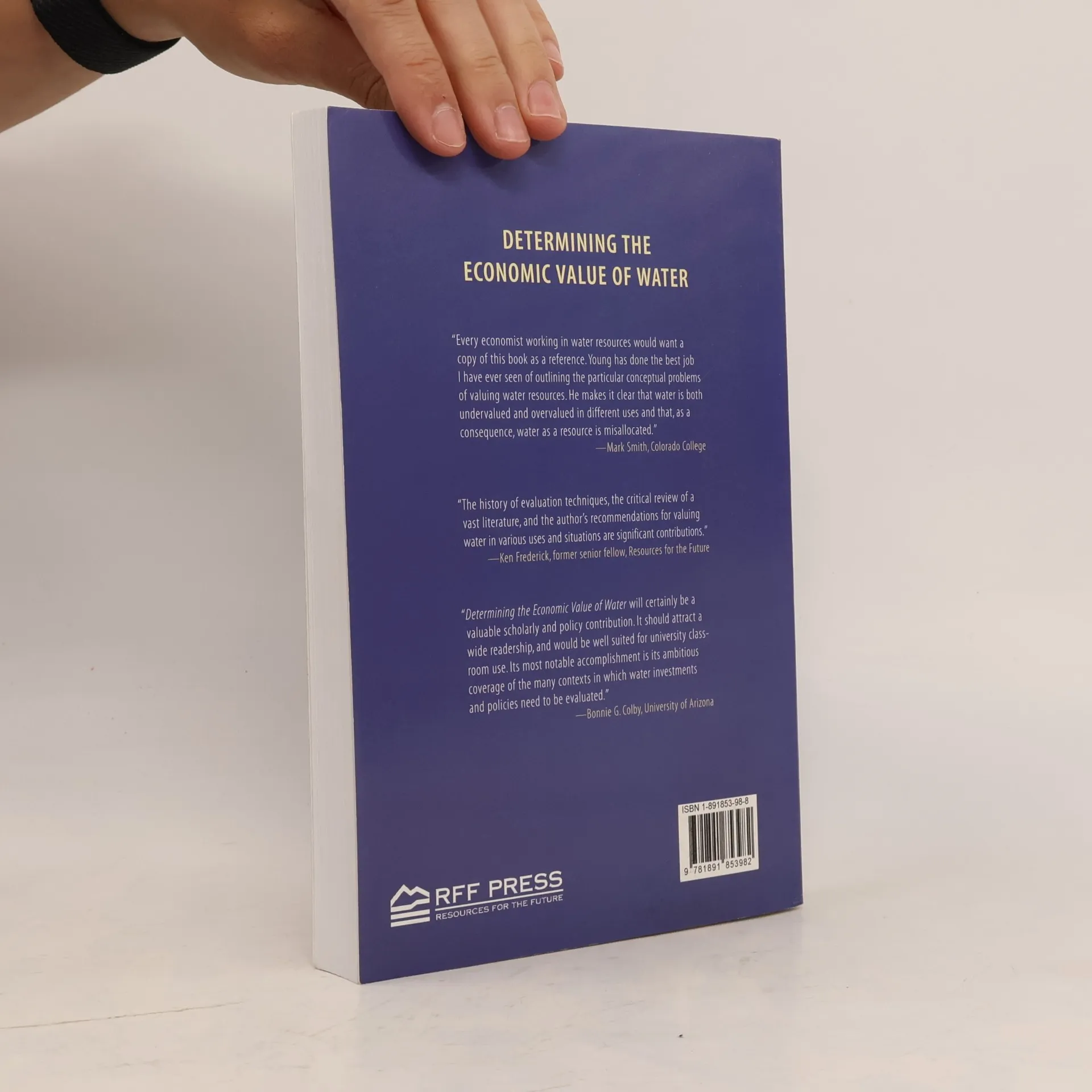
Water serves as a crucial commodity for agriculture, industry, and households, while also providing public goods such as scenic value, waste assimilation, wildlife habitats, and recreational opportunities. Despite its importance, water is often misallocated, leading to declining quality, inadequate attention to environmental needs, and severe impacts from floods and droughts. A significant factor in this misallocation is the lack of accurate price signals that reflect scarcity, which guide investment and resource distribution. To address this, economists have developed various non-market methods to measure economic benefits when appropriate price incentives are missing. The author presents a comprehensive exploration of these non-market valuation methods as they relate to water resource investments and policies. He offers a conceptual framework for valuing both the commodity and public good aspects of water, focusing on techniques for assessing public benefits like water quality improvement, recreation, wildlife habitat enhancement, and flood risk reduction. Unlike existing literature, this work emphasizes the commodity uses of water in agriculture, industry, and households, detailing measurement methods, practical applications, and discussing their strengths, limitations, and roles in decision-making.
Book purchase
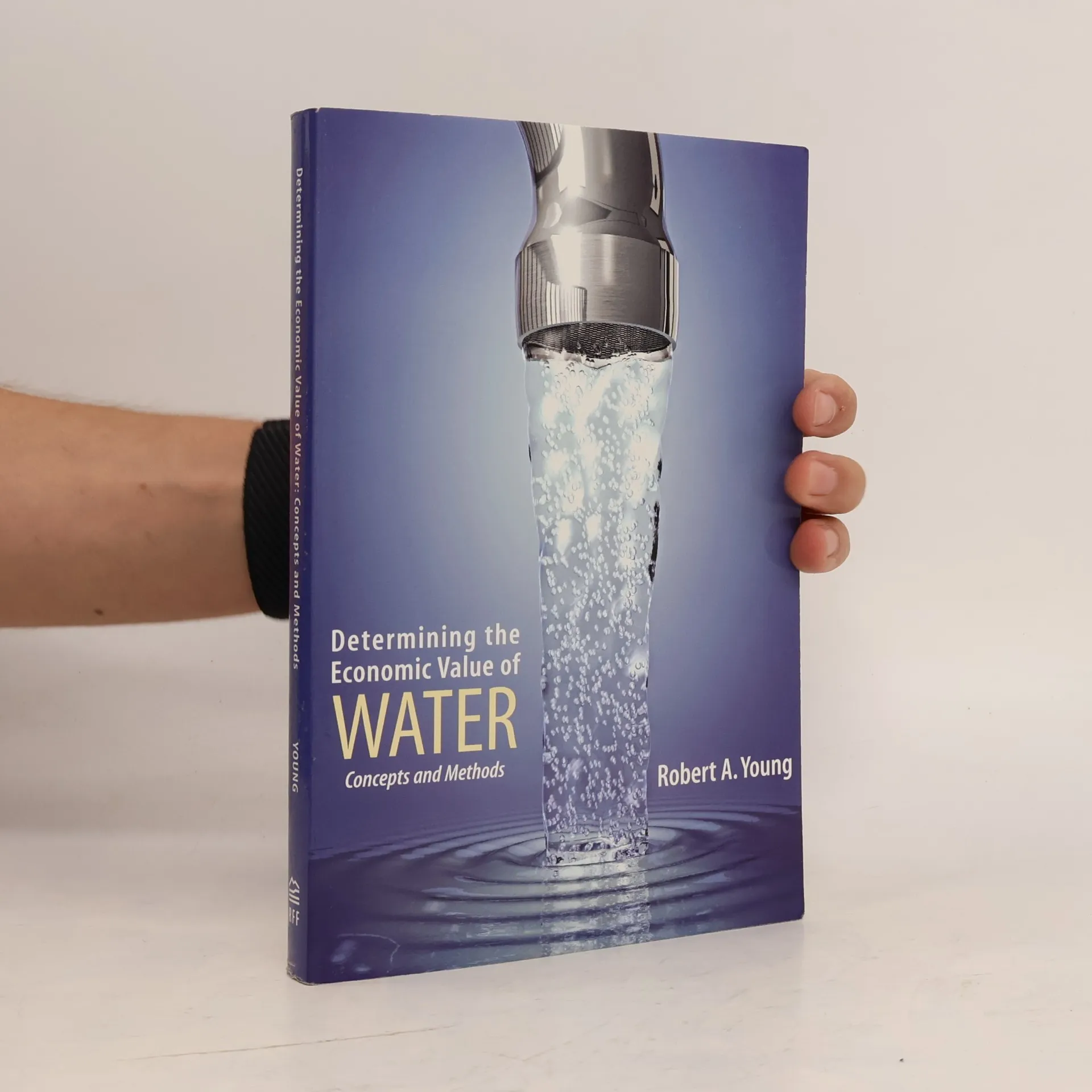
Determining the Economic Value of Water, Robert A. Young
- Language

- Released
- 2004
- Binding
- (Paperback),
- Book condition
- Very Good
- Price
- €5.29
Payment methods
No one has rated yet.
- Title
- Determining the Economic Value of Water
- Subtitle
- Concepts and Methods
- Language
- English
- Authors
- Robert A. Young
- Publisher
- RFF Press
- Released
- 2004
- Format
- Paperback
- Pages
- 357
- ISBN10
- 1891853988
- ISBN13
- 9781891853982
- Series
- Description
- Water serves as a crucial commodity for agriculture, industry, and households, while also providing public goods such as scenic value, waste assimilation, wildlife habitats, and recreational opportunities. Despite its importance, water is often misallocated, leading to declining quality, inadequate attention to environmental needs, and severe impacts from floods and droughts. A significant factor in this misallocation is the lack of accurate price signals that reflect scarcity, which guide investment and resource distribution. To address this, economists have developed various non-market methods to measure economic benefits when appropriate price incentives are missing. The author presents a comprehensive exploration of these non-market valuation methods as they relate to water resource investments and policies. He offers a conceptual framework for valuing both the commodity and public good aspects of water, focusing on techniques for assessing public benefits like water quality improvement, recreation, wildlife habitat enhancement, and flood risk reduction. Unlike existing literature, this work emphasizes the commodity uses of water in agriculture, industry, and households, detailing measurement methods, practical applications, and discussing their strengths, limitations, and roles in decision-making.