




More about the book
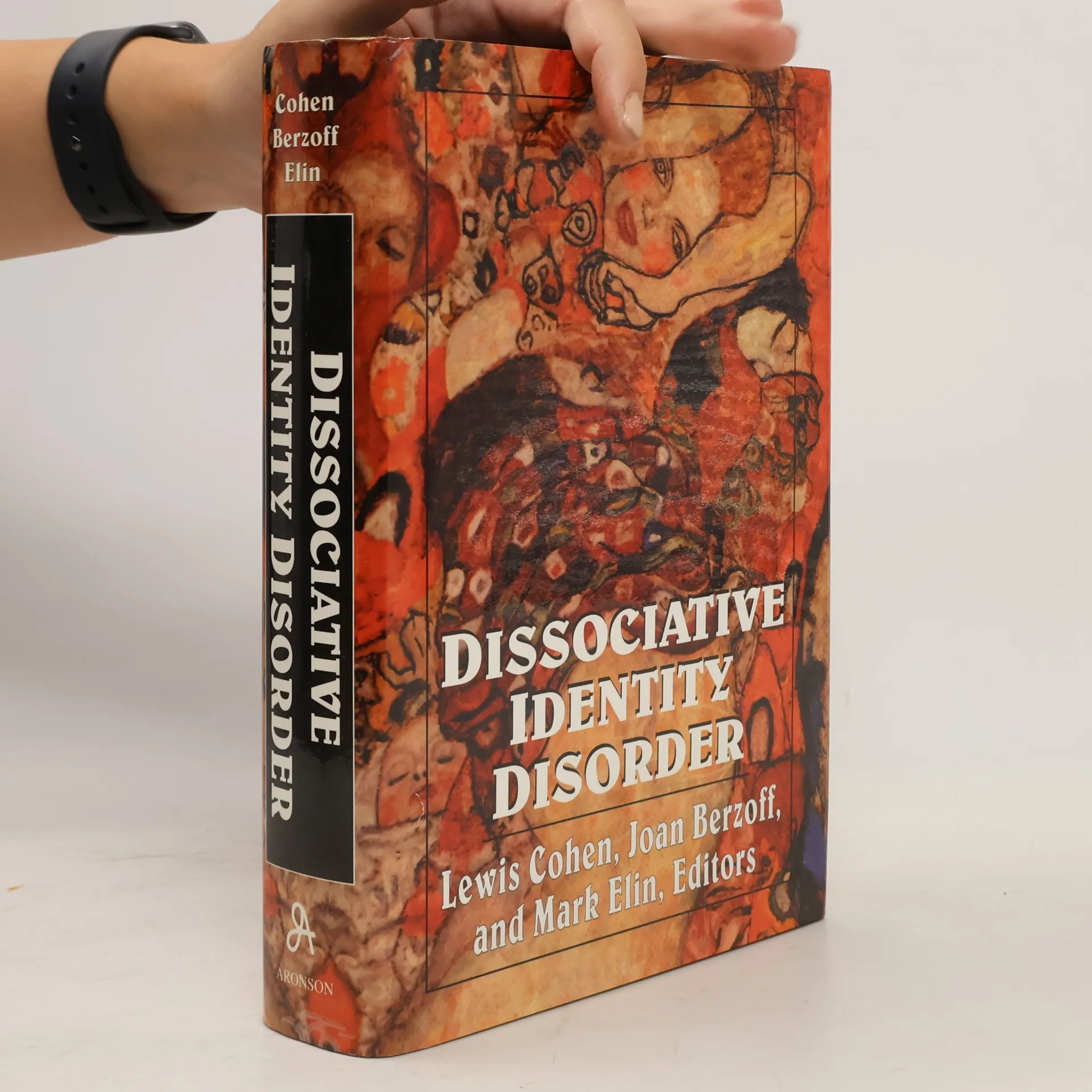
For clinicians, Dissociative Identity Disorder (DID), or its progenitor Multiple Personality Disorder (MPD), is an important but beleaguered syndrome. It is immutably welded to the more general subject of trauma and abuse, and sits in the eye of the media storm. Since 1994 when the controversy surrounding DID culminated in the alteration of its very name and diagnostic criteria, DID (or MPD) has been held up to public and professional scrutiny. Its continued existence in the psychiatric lexicon will depend on the arguments and research that are generated. In the midst of the turmoil, this book offers a thoughtful and occasionally heated forum for skilled clinicians and academicians to grapple with the existence of DID, its prevalence, etiology, treatment modalities, and related controversies. Clinicians concerned and curious about this intense debate will find a thorough discussion of DID, its theoretical ramifications, and the extreme feelings that it evokes. Encounters with people diagnosed with DID invariably transform therapists into enthusiasts or skeptics. This is a book written by both enthusiasts and skeptics, and it will alternatively enrage and delight readers who themselves struggle with the diagnosis and its treatment.
Book purchase
Dissociative Identity Disorder, Lewis M. Cohen, Joan N. Berzoff, Mark R. Elin
- Language

- Released
- 1995
- Binding
- (Hardcover)
Payment methods
No one has rated yet.
- Title
- Dissociative Identity Disorder
- Subtitle
- Theoretical and Treatment Controversies
- Language
- English
- Authors
- Lewis M. Cohen, Joan N. Berzoff, Mark R. Elin
- Publisher
- Jason Aronson, Inc.
- Released
- 1995
- Format
- Hardcover
- Pages
- 560
- ISBN10
- 1568213808
- ISBN13
- 9781568213804
- Series
- Categories
- Description
- For clinicians, Dissociative Identity Disorder (DID), or its progenitor Multiple Personality Disorder (MPD), is an important but beleaguered syndrome. It is immutably welded to the more general subject of trauma and abuse, and sits in the eye of the media storm. Since 1994 when the controversy surrounding DID culminated in the alteration of its very name and diagnostic criteria, DID (or MPD) has been held up to public and professional scrutiny. Its continued existence in the psychiatric lexicon will depend on the arguments and research that are generated. In the midst of the turmoil, this book offers a thoughtful and occasionally heated forum for skilled clinicians and academicians to grapple with the existence of DID, its prevalence, etiology, treatment modalities, and related controversies. Clinicians concerned and curious about this intense debate will find a thorough discussion of DID, its theoretical ramifications, and the extreme feelings that it evokes. Encounters with people diagnosed with DID invariably transform therapists into enthusiasts or skeptics. This is a book written by both enthusiasts and skeptics, and it will alternatively enrage and delight readers who themselves struggle with the diagnosis and its treatment.