

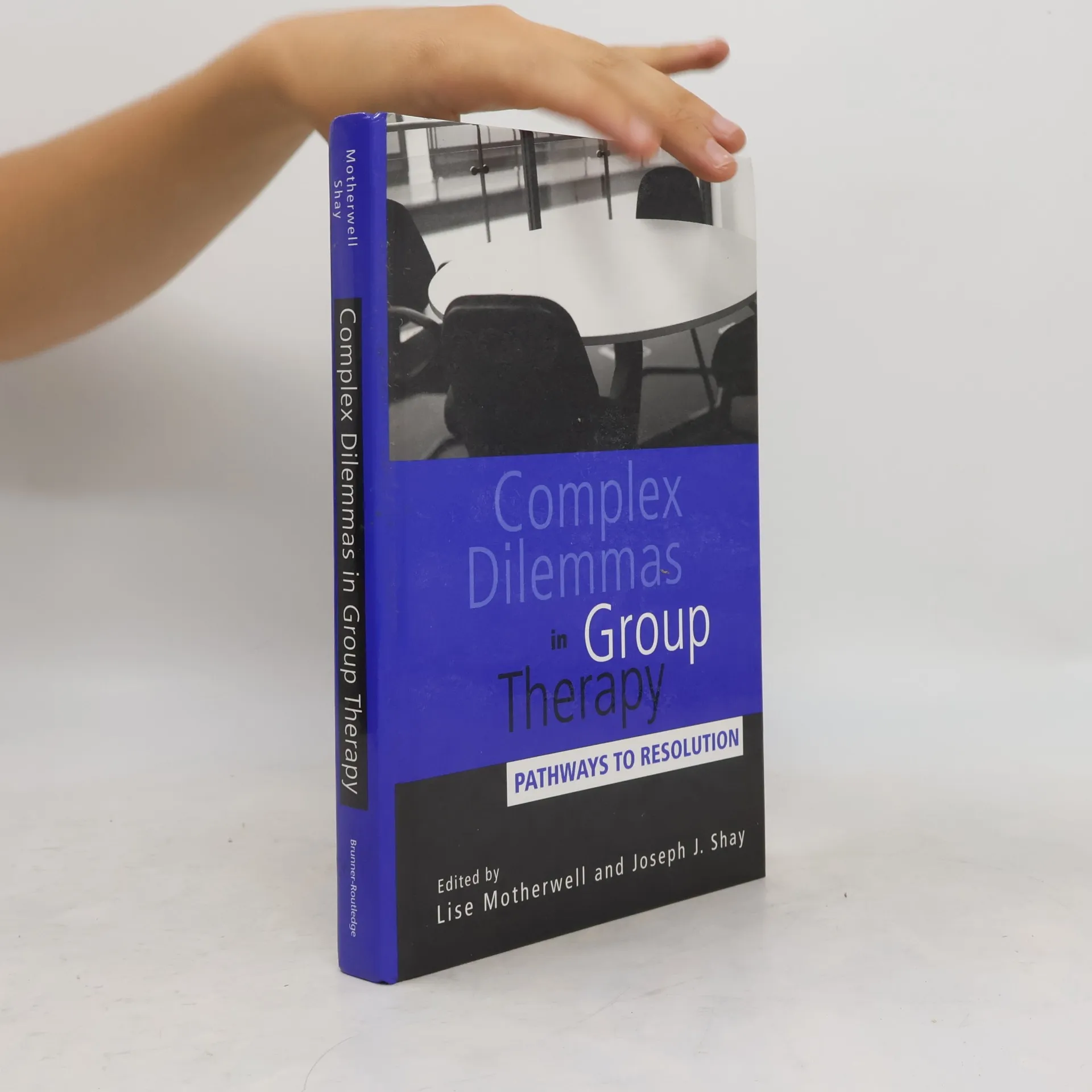
More about the book
Group work presents therapists with unique situations and decisions in group psychotherapy, yet there has been limited guidance for both novice and experienced clinicians. This collection features contributions from over 25 respected group therapists, edited by two prominent figures in the field. Inspired by a regular column in "The Group Circle," the book expands on the format of presenting a dilemma followed by responses from two practitioners, each offering a solution. It organizes dilemmas into seven thematic sections, addressing topics such as boundaries, enactments, projective identification, therapist reactions, destructive forces, difficult patients, and time-limited groups. Each section includes three complex dilemmas, ranging from common to atypical and extreme cases, catering to therapists with varying levels of expertise. By examining underlying theories and the evolution of ideas over time, this work aims to provide valuable insights and practical solutions for the challenges faced in group therapy.
Book purchase
Complex Dilemmas in Group Therapy, Lise Motherwell, Joseph J. Shay
- Language

- Released
- 2005
- Binding
- (Hardcover)
Payment methods
No one has rated yet.
- Title
- Complex Dilemmas in Group Therapy
- Subtitle
- Pathways to Resolution
- Language
- English
- Authors
- Lise Motherwell, Joseph J. Shay
- Publisher
- Routledge
- Released
- 2005
- Format
- Hardcover
- Pages
- 290
- ISBN10
- 0415948193
- ISBN13
- 9780415948197
- Series
- Categories
- Tags
- Psychological Topics, USA, Mental Health, Psychotherapy, Case Studies, Clinical Psychology, Methodology, Group Psychotherapy
- Description
- Group work presents therapists with unique situations and decisions in group psychotherapy, yet there has been limited guidance for both novice and experienced clinicians. This collection features contributions from over 25 respected group therapists, edited by two prominent figures in the field. Inspired by a regular column in "The Group Circle," the book expands on the format of presenting a dilemma followed by responses from two practitioners, each offering a solution. It organizes dilemmas into seven thematic sections, addressing topics such as boundaries, enactments, projective identification, therapist reactions, destructive forces, difficult patients, and time-limited groups. Each section includes three complex dilemmas, ranging from common to atypical and extreme cases, catering to therapists with varying levels of expertise. By examining underlying theories and the evolution of ideas over time, this work aims to provide valuable insights and practical solutions for the challenges faced in group therapy.