Parameters
- 360 pages
- 13 hours of reading
More about the book
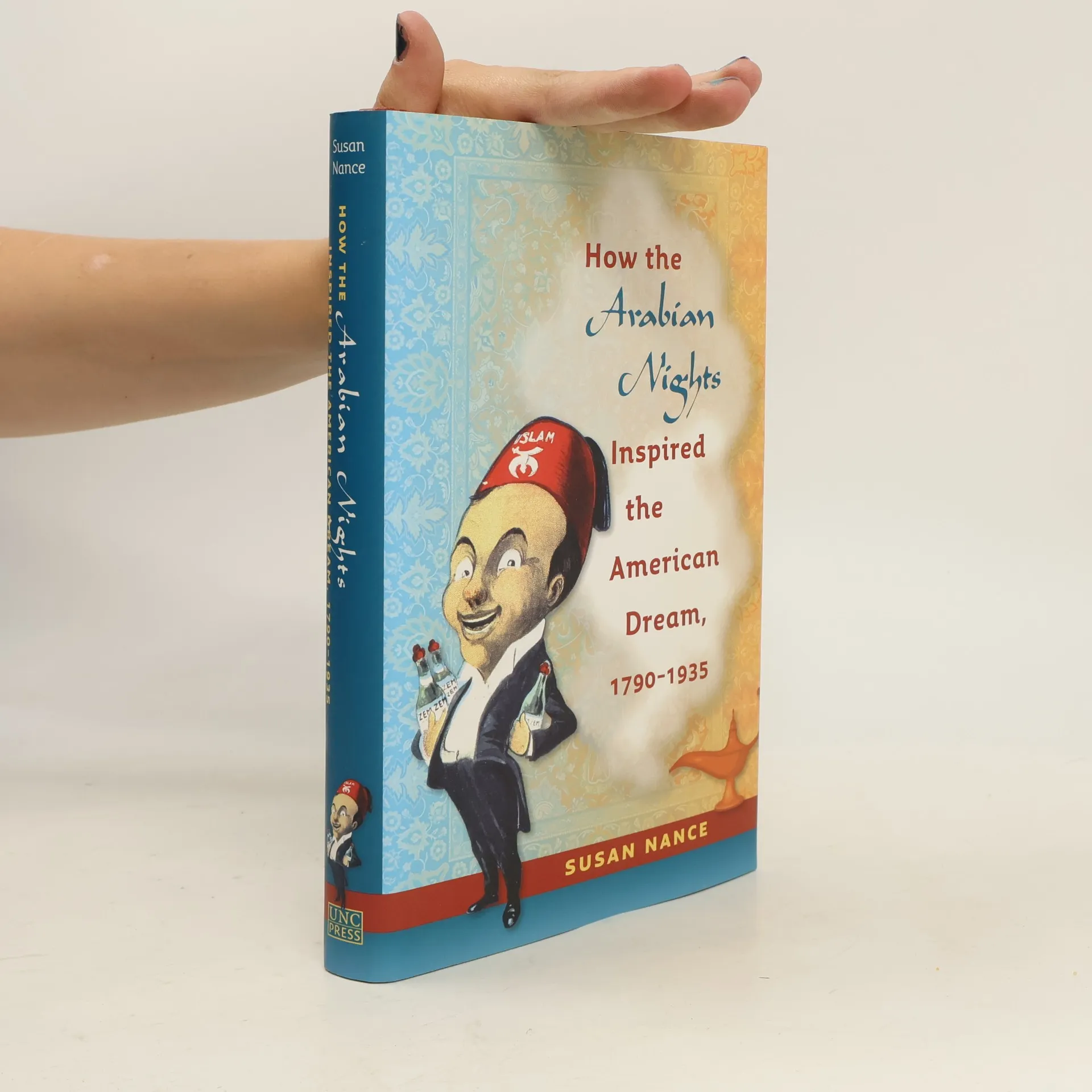
Americans have always shown a fascination with the people, customs, and legends of the "East--witness the popularity of the stories of the Arabian Nights , the performances of Arab belly dancers and acrobats, the feats of turban-wearing vaudeville magicians, and even the antics of fez-topped Shriners. In this captivating volume, Susan Nance provides a social and cultural history of this highly popular genre of Easternized performance in America up to the Great Depression.According to Nance, these traditions reveal how a broad spectrum of Americans, including recent immigrants and impersonators, behaved as producers and consumers in a rapidly developing capitalist economy. In admiration of the Arabian Nights , people creatively reenacted Eastern life, but these performances were also demonstrations of Americans' own identities, Nance argues. The story of Aladdin, made suddenly rich by rubbing an old lamp, stood as a particularly apt metaphor for how consumer capitalism might benefit each person. The leisure, abundance, and contentment that many imagined were typical of Eastern life were the same characteristics used to define "the American dream."The recent success of Disney's Aladdin movies suggests that many Americans still welcome an interpretation of the East as a site of incredible riches, romance, and happy endings. This abundantly illustrated account is the first by a historian to explain why and how so many Americans sought out such cultural engagement with the Eastern world long before geopolitical concerns became paramount.
Book purchase
How the Arabian Nights Inspired the American Dream, 1790-1935, Susan Nance
- Language
- Released
- 2009,
- Book condition
- Very Good
- Price
- €167.99
Payment methods
No one has rated yet.
- Title
- How the Arabian Nights Inspired the American Dream, 1790-1935
- Language
- English
- Authors
- Susan Nance
- Released
- 2009
- Pages
- 360
- ISBN10
- 080783274X
- ISBN13
- 9780807832745
- Series
- Tags
- Social Sciences, Historical Themes, USA, 20th century, American Literature, 19th century, Communication, Popular Culture, Performing Arts, Social History, Entertaining, Civilization, Circus, Cabaret, Islamic Countries, Wizards, Orientalism
- Description
- Americans have always shown a fascination with the people, customs, and legends of the "East--witness the popularity of the stories of the Arabian Nights , the performances of Arab belly dancers and acrobats, the feats of turban-wearing vaudeville magicians, and even the antics of fez-topped Shriners. In this captivating volume, Susan Nance provides a social and cultural history of this highly popular genre of Easternized performance in America up to the Great Depression.According to Nance, these traditions reveal how a broad spectrum of Americans, including recent immigrants and impersonators, behaved as producers and consumers in a rapidly developing capitalist economy. In admiration of the Arabian Nights , people creatively reenacted Eastern life, but these performances were also demonstrations of Americans' own identities, Nance argues. The story of Aladdin, made suddenly rich by rubbing an old lamp, stood as a particularly apt metaphor for how consumer capitalism might benefit each person. The leisure, abundance, and contentment that many imagined were typical of Eastern life were the same characteristics used to define "the American dream."The recent success of Disney's Aladdin movies suggests that many Americans still welcome an interpretation of the East as a site of incredible riches, romance, and happy endings. This abundantly illustrated account is the first by a historian to explain why and how so many Americans sought out such cultural engagement with the Eastern world long before geopolitical concerns became paramount.