


Parameters
- 198 pages
- 7 hours of reading
More about the book
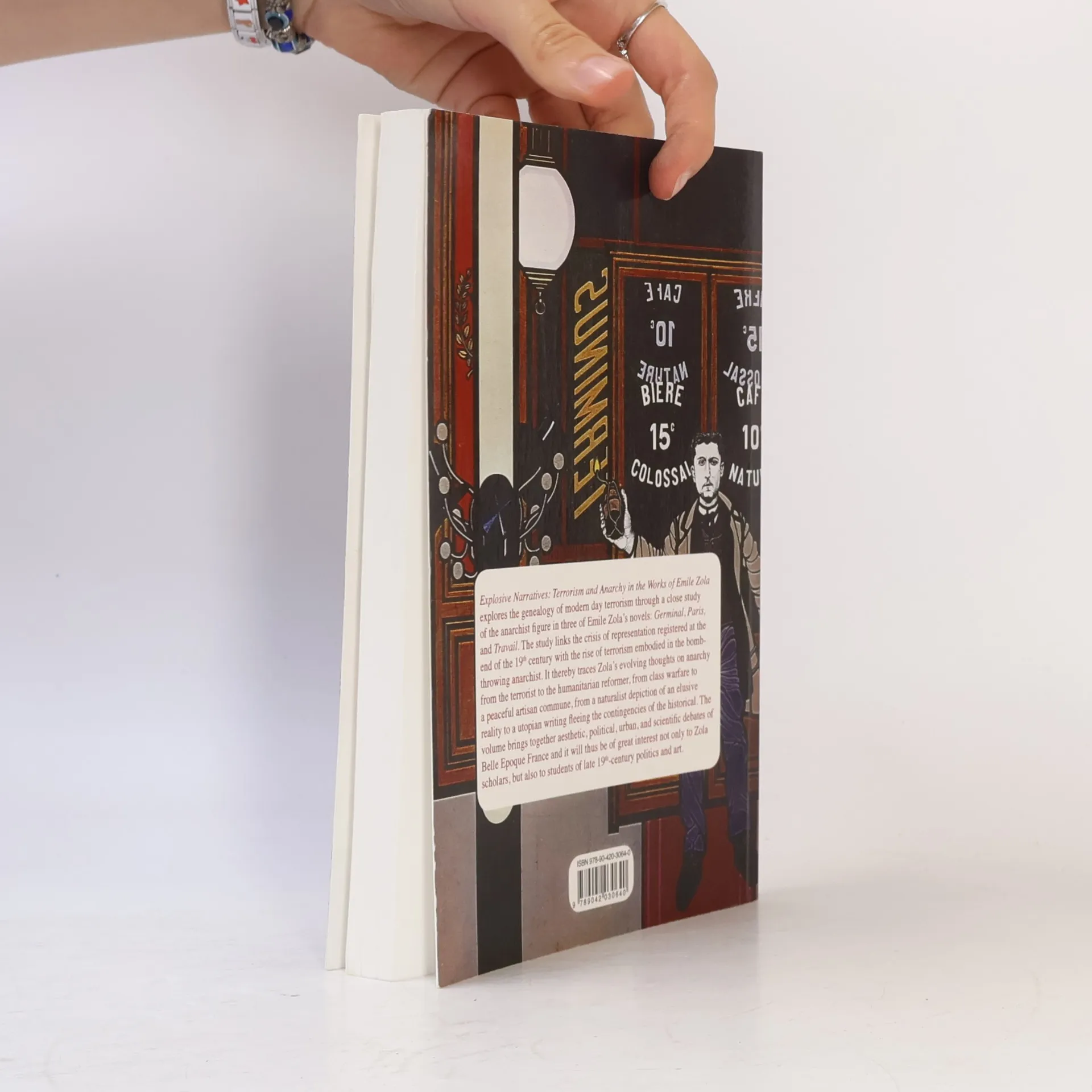
Explosive Narratives: Terrorism and Anarchy in the Works of Emile Zola explores the genealogy of modern day terrorism through a close study of the anarchist figure in three of Emile Zola's novels: Germinal , Paris , and Travail . The study links the crisis of representation registered at the end of the 19th century with the rise of terrorism embodied in the bomb-throwing anarchist. It thereby traces Zola's evolving thoughts on anarchy from the terrorist to the humanitarian reformer, from class warfare to a peaceful artisan commune, from a naturalist depiction of an elusive reality to a utopian writing fleeing the contingencies of the historical. The volume brings together aesthetic, political, urban, and scientific debates of Belle Epoque France and it will thus be of great interest not only to Zola scholars, but also to students of late 19th-century politics and art.
Book purchase
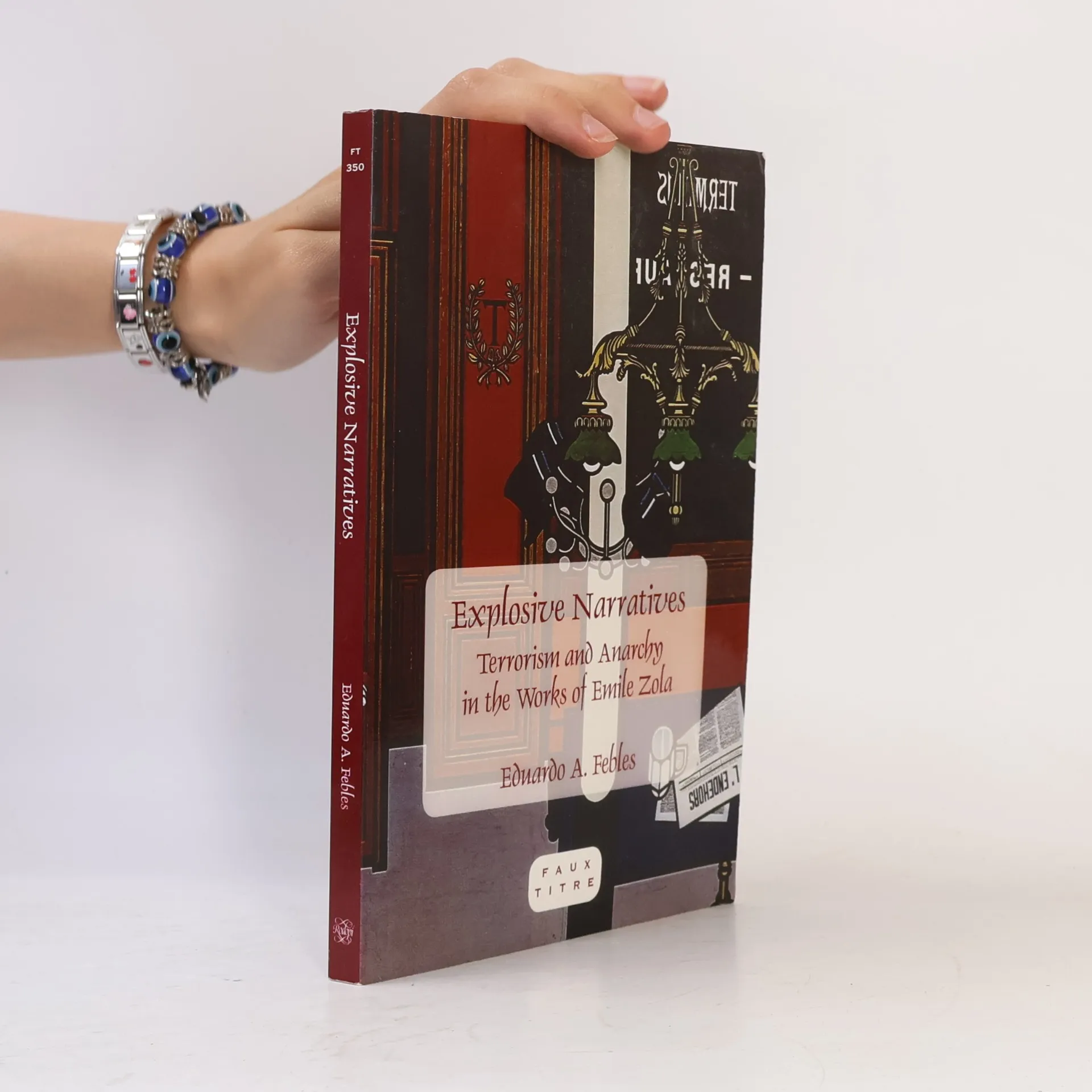
Explosive Narratives, Eduardo A. Febles
- Language

- Released
- 2010
- Binding
- (Paperback),
- Book condition
- Good
- Price
- €11.49
Payment methods
No one has rated yet.
- Title
- Explosive Narratives
- Subtitle
- Terrorism and Anarchy in the Works of Emile Zola
- Language
- English
- Authors
- Eduardo A. Febles
- Publisher
- Brill Academic Pub
- Released
- 2010
- Format
- Paperback
- Pages
- 198
- ISBN10
- 904203064X
- ISBN13
- 9789042030640
- Series
- Tags
- Description
- Explosive Narratives: Terrorism and Anarchy in the Works of Emile Zola explores the genealogy of modern day terrorism through a close study of the anarchist figure in three of Emile Zola's novels: Germinal , Paris , and Travail . The study links the crisis of representation registered at the end of the 19th century with the rise of terrorism embodied in the bomb-throwing anarchist. It thereby traces Zola's evolving thoughts on anarchy from the terrorist to the humanitarian reformer, from class warfare to a peaceful artisan commune, from a naturalist depiction of an elusive reality to a utopian writing fleeing the contingencies of the historical. The volume brings together aesthetic, political, urban, and scientific debates of Belle Epoque France and it will thus be of great interest not only to Zola scholars, but also to students of late 19th-century politics and art.