



More about the book
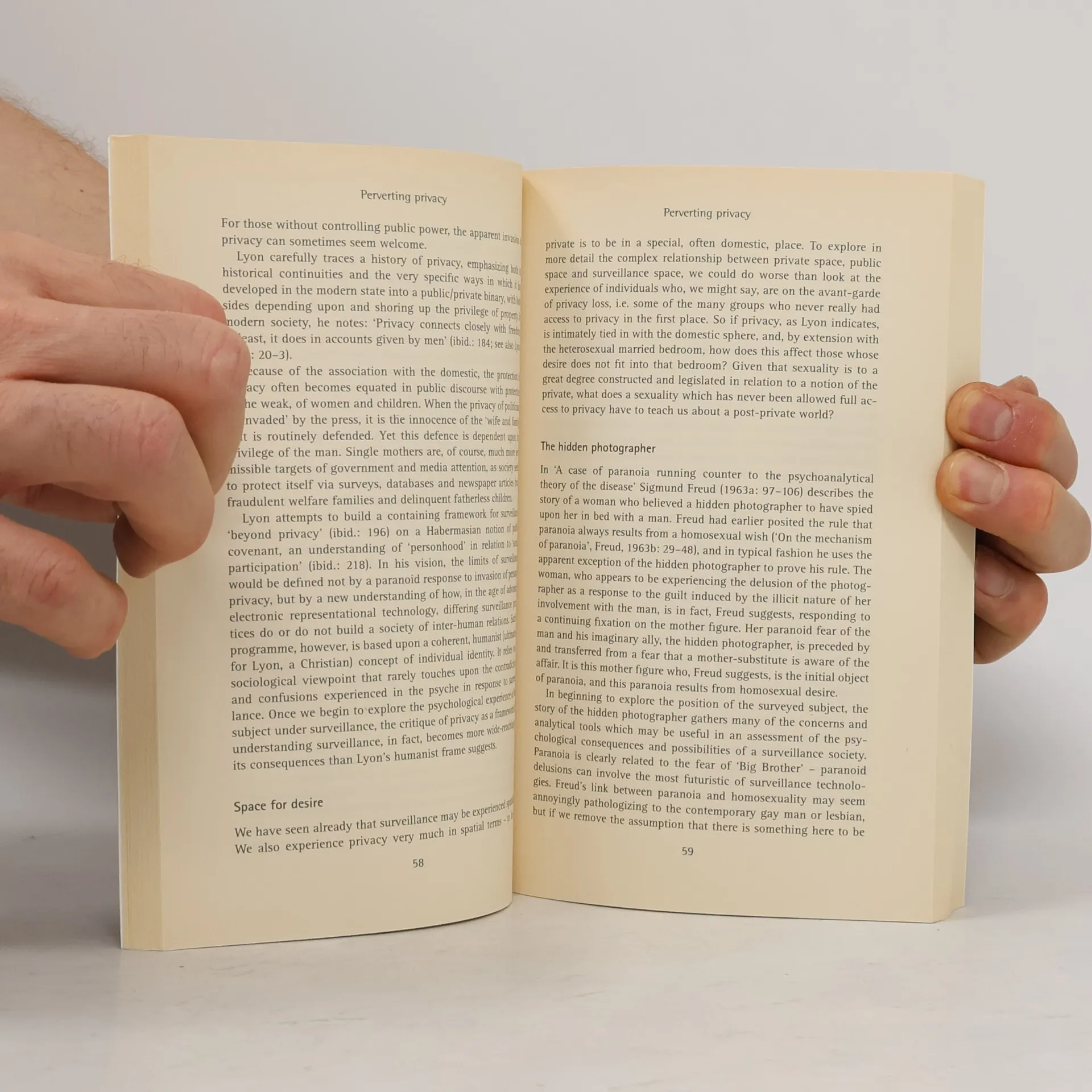
In Loving Big Brother the author tackles head on the overstated claims of the crime-prevention and anti-terrorism lobbies. But he also argues that we desire and enjoy surveillance, and that, if we can understand why this is, we may transform the effect it has on our lives. This book looks at a wide range of performance and visual artists, at popular TV shows and movies, and at our day-to-day encounters with surveillance, rooting its arguments in an accessible reading of cultural theory. Constant scrutiny by surveillance cameras is usually seen as - at best - an invasion of privacy, and at worst an infringement of human rights. But in this radical new account of the uses of surveillance in art, performance and popular culture, John E McGrath sets out a surprizing a world where we have much to gain from the experience of being watched. This iconoclastic book develops a notion of surveillance space - somewhere beyond the public and the private, somewhere we will all soon live. It's a place we're just beginning to understand.
Book purchase
Loving Big Brother, John McGrath
- Language

- Released
- 2004
- Binding
- (Paperback)
Payment methods
No one has rated yet.
- Title
- Loving Big Brother
- Subtitle
- performance, privacy, and surveillance space
- Language
- English
- Authors
- John McGrath
- Publisher
- Routledge
- Released
- 2004
- Format
- Paperback
- Pages
- 256
- ISBN10
- 0415275385
- ISBN13
- 9780415275385
- Series
- Categories
- Tags
- LGBTQ+, Space, Culture and Society, Media and Media Communication, Popular Culture, Performing Arts, Social Aspects, Surveillance, monitoring
- Description
- In Loving Big Brother the author tackles head on the overstated claims of the crime-prevention and anti-terrorism lobbies. But he also argues that we desire and enjoy surveillance, and that, if we can understand why this is, we may transform the effect it has on our lives. This book looks at a wide range of performance and visual artists, at popular TV shows and movies, and at our day-to-day encounters with surveillance, rooting its arguments in an accessible reading of cultural theory. Constant scrutiny by surveillance cameras is usually seen as - at best - an invasion of privacy, and at worst an infringement of human rights. But in this radical new account of the uses of surveillance in art, performance and popular culture, John E McGrath sets out a surprizing a world where we have much to gain from the experience of being watched. This iconoclastic book develops a notion of surveillance space - somewhere beyond the public and the private, somewhere we will all soon live. It's a place we're just beginning to understand.