


Parameters
- 376 pages
- 14 hours of reading
More about the book
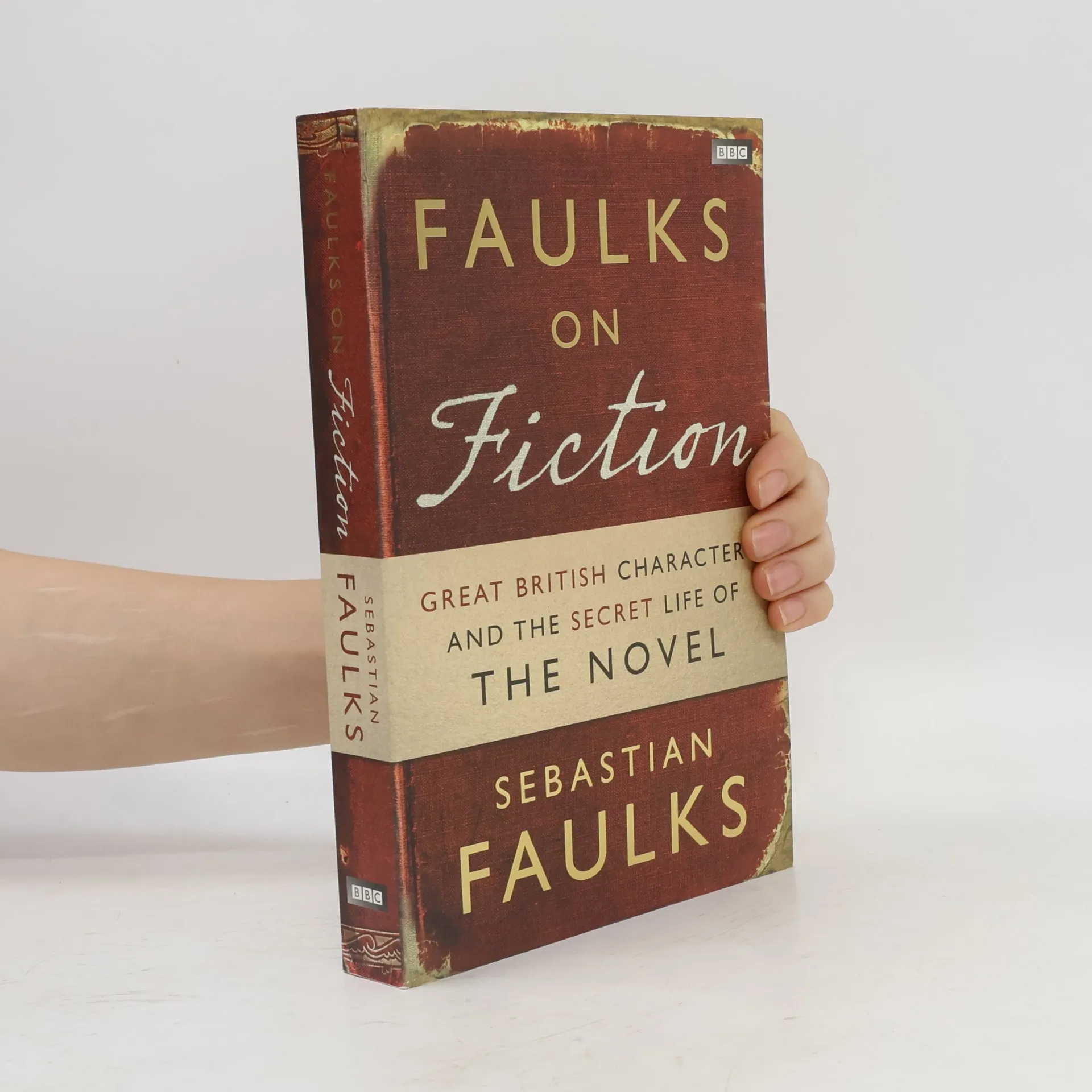
The British invented the novel, with the publication of Robinson Crusoe in 1719 marking the arrival of a revolutionary and distinctly modern form of art. But it's also true, as Sebastian Faulks argues in this remarkable book, that the novel helped invent the British: for the first time we had stories that reflected the experiences of ordinary people, with characters in which we could find our reality, our understanding and our escape. In Faulks on Fiction , Faulks examines many of these enduring fictional characters from over the centuries -- Heroes from Tom Jones to John Self, Lovers from Mr Darcy to Lady Chatterly, Villains from Fagin to Barbara Covett, and Snobs from Emma Woodhouse to James Bond -- and shows us how they mapped and inspired the British psyche, and continue to do so. Published to coincide with a major BBC series, Faulks on Fiction is an engaging and opinionated look at the psychology of the British through their literature, and a unique social history of Britain from one of our most respected writers.
Book purchase
Faulks on Fiction, Sebastian Faulks
- Language

- Released
- 2010
- Binding
- (Paperback),
- Book condition
- Good
- Price
- €4.49
Payment methods
No one has rated yet.
- Title
- Faulks on Fiction
- Subtitle
- The Secret Life of the Novel
- Language
- English
- Authors
- Sebastian Faulks
- Publisher
- BBC Books
- Released
- 2010
- Format
- Paperback
- Pages
- 376
- ISBN10
- 1849900027
- ISBN13
- 9781849900027
- Series
- Description
- The British invented the novel, with the publication of Robinson Crusoe in 1719 marking the arrival of a revolutionary and distinctly modern form of art. But it's also true, as Sebastian Faulks argues in this remarkable book, that the novel helped invent the British: for the first time we had stories that reflected the experiences of ordinary people, with characters in which we could find our reality, our understanding and our escape. In Faulks on Fiction , Faulks examines many of these enduring fictional characters from over the centuries -- Heroes from Tom Jones to John Self, Lovers from Mr Darcy to Lady Chatterly, Villains from Fagin to Barbara Covett, and Snobs from Emma Woodhouse to James Bond -- and shows us how they mapped and inspired the British psyche, and continue to do so. Published to coincide with a major BBC series, Faulks on Fiction is an engaging and opinionated look at the psychology of the British through their literature, and a unique social history of Britain from one of our most respected writers.