

More about the book
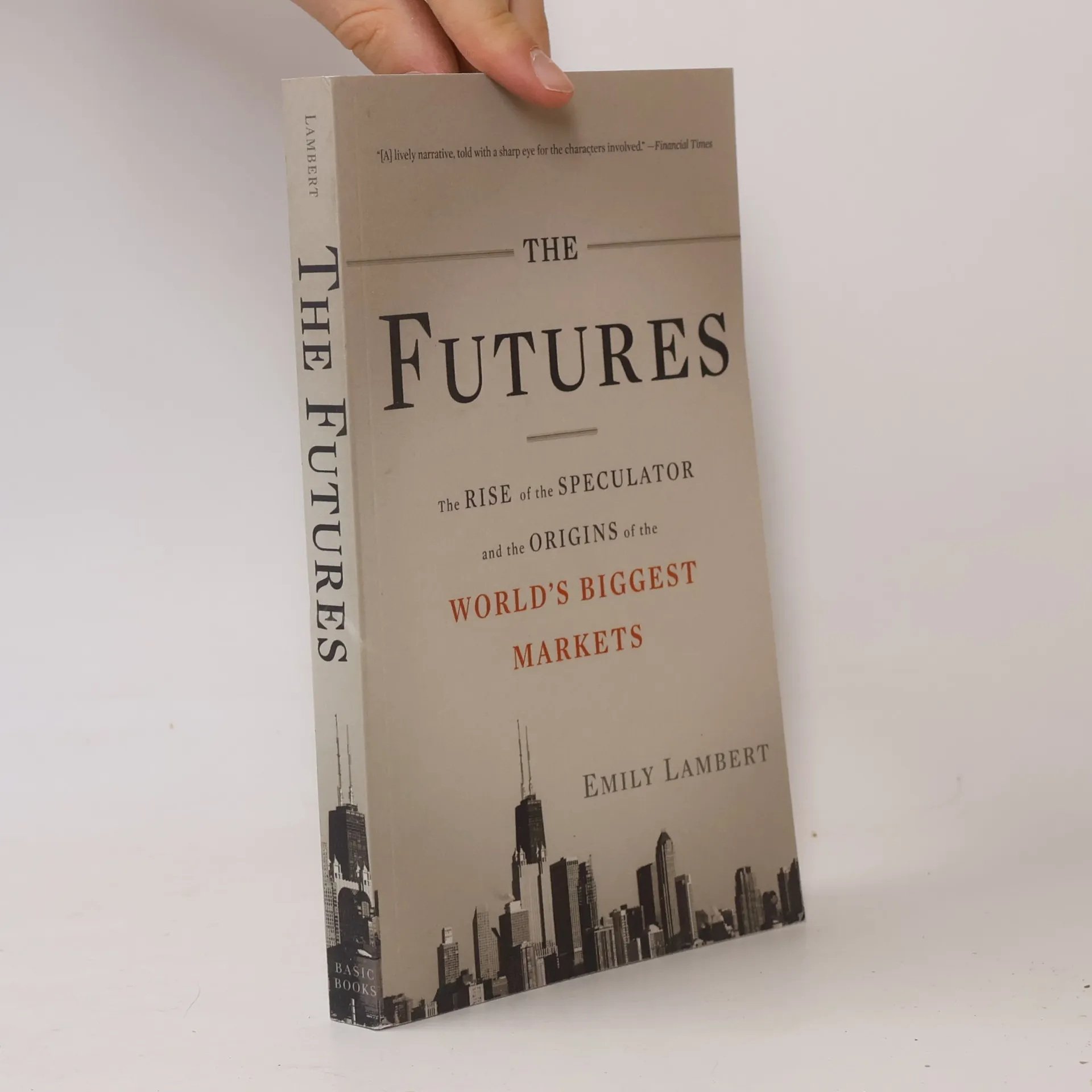
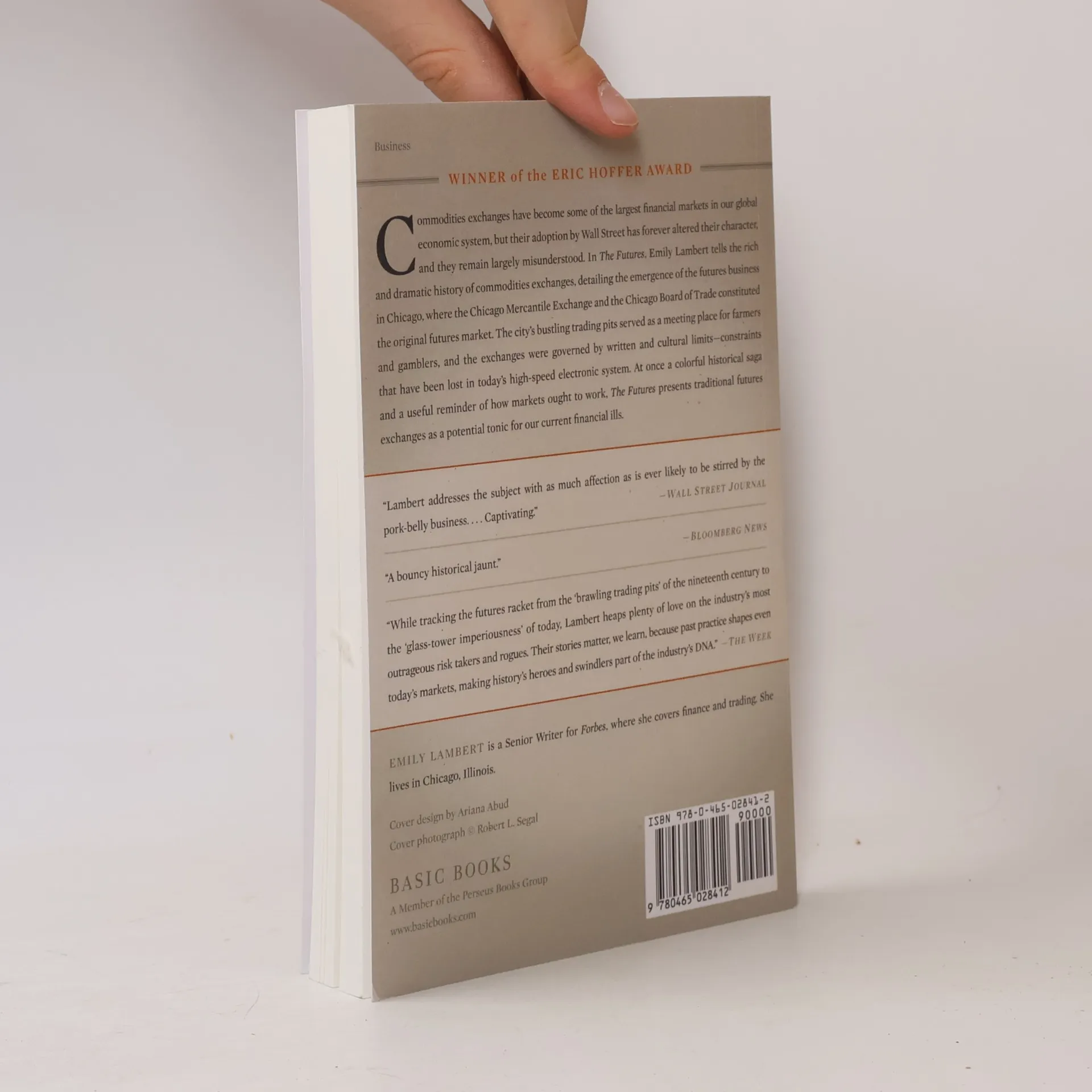
In The Futures , Emily Lambert, senior writer at Forbes magazine, tells us the rich and dramatic history of the Chicago Mercantile Exchange and Chicago Board of Trade, which together comprised the original, most bustling futures market in the world. She details the emergence of the futures business as a kind of meeting place for gamblers and farmers and its subsequent transformation into a sophisticated electronic market where contracts are traded at lightning-fast speeds. Lambert also details the disastrous effects of Wall Street's adoption of the futures contract without the rules and close-knit social bonds that had made trading it in Chicago work so well. Ultimately Lambert argues that the futures markets are the real "free" markets and that speculators, far from being mere parasites, can serve a vital economic and social function given the right architecture. The traditional futures market, she explains, because of its written and cultural limits, can serve as a useful example for how markets ought to work and become a tonic for our current financial ills.
Book purchase
The Futures, Emily Lambert
- Language

- Released
- 2012
- Binding
- (Paperback),
- Book condition
- Very Good
- Price
- €1.99
Payment methods
No one has rated yet.
- Title
- The Futures
- Subtitle
- The Rise of the Speculator and the Origins of the World's Biggest Markets
- Language
- English
- Authors
- Emily Lambert
- Publisher
- Basic Books
- Released
- 2012
- Format
- Paperback
- Pages
- 248
- ISBN10
- 0465028411
- ISBN13
- 9780465028412
- Series
- Description
- In The Futures , Emily Lambert, senior writer at Forbes magazine, tells us the rich and dramatic history of the Chicago Mercantile Exchange and Chicago Board of Trade, which together comprised the original, most bustling futures market in the world. She details the emergence of the futures business as a kind of meeting place for gamblers and farmers and its subsequent transformation into a sophisticated electronic market where contracts are traded at lightning-fast speeds. Lambert also details the disastrous effects of Wall Street's adoption of the futures contract without the rules and close-knit social bonds that had made trading it in Chicago work so well. Ultimately Lambert argues that the futures markets are the real "free" markets and that speculators, far from being mere parasites, can serve a vital economic and social function given the right architecture. The traditional futures market, she explains, because of its written and cultural limits, can serve as a useful example for how markets ought to work and become a tonic for our current financial ills.