

More about the book
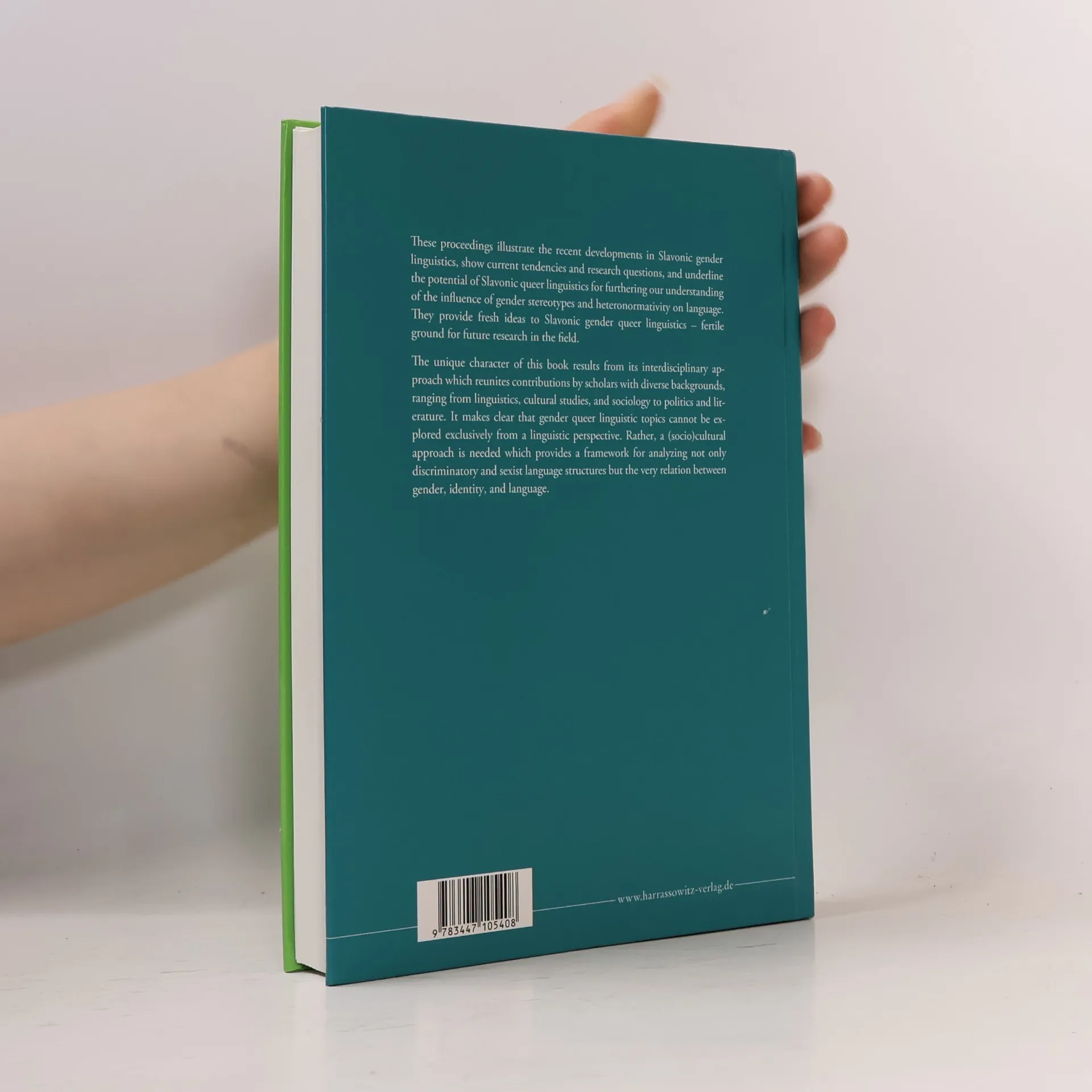
These proceedings illustrate the recent developments in Slavonic gender linguistics, show current tendencies and research questions, and underline the potential of Slavonic queer linguistics for furthering our understanding of the influence of gender stereotypes and heteronormativity on language. They provide fresh ideas to Slavonic gender queer linguistics - fertile ground for future research in the field. The unique character of this book results from its interdisciplinary approach which reunites contributions by scholars with diverse backgrounds, ranging from linguistics, cultural studies, and sociology to politics and literature. It makes clear that gender queer linguistic topics cannot be explored exclusively from a linguistic perspective. Rather, a (socio)cultural approach is needed which provides a framework for analyzing not only discriminatory and sexist language structures but the very relation between gender, identity, and language.
Book purchase
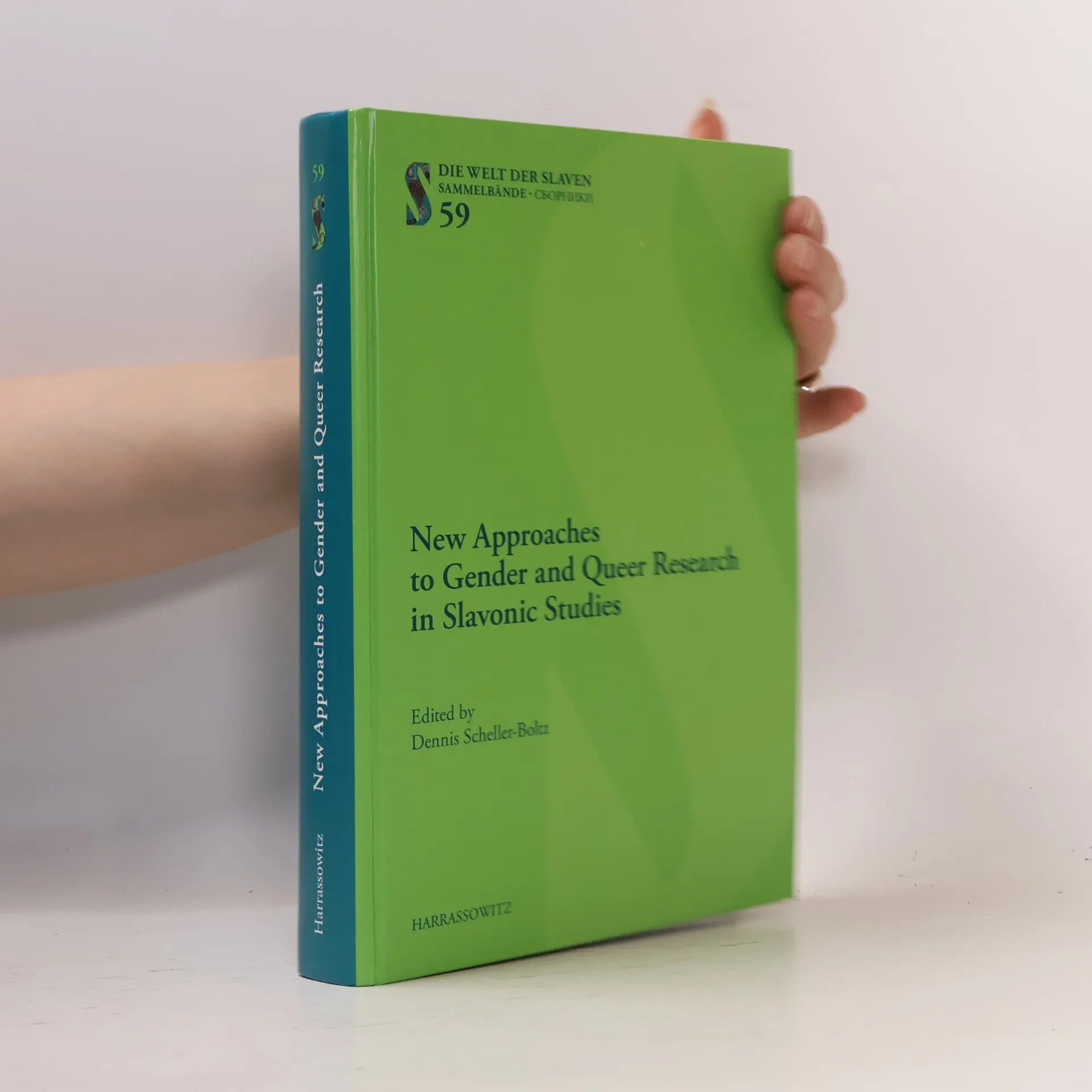
Die Welt der Slaven Sammelbände - Сборники - 59: New Approaches to Gender and Queer Research in Slavonic Studies, Dennis Scheller-Boltz
- Language

- Released
- 2015
- Binding
- (Hardcover),
- Book condition
- Very Good
- Price
- €40.89
Payment methods
No one has rated yet.
- Title
- Die Welt der Slaven Sammelbände - Сборники - 59: New Approaches to Gender and Queer Research in Slavonic Studies
- Language
- English
- Authors
- Dennis Scheller-Boltz
- Publisher
- Harrassowitz
- Released
- 2015
- Format
- Hardcover
- Pages
- 489
- ISBN10
- 3447105402
- ISBN13
- 9783447105408
- Series
- Tags
- Historical Themes, University Textbooks, Cultural History, Gender, Eastern Europe, Sociolinguistics, Slavic Studies
- Description
- These proceedings illustrate the recent developments in Slavonic gender linguistics, show current tendencies and research questions, and underline the potential of Slavonic queer linguistics for furthering our understanding of the influence of gender stereotypes and heteronormativity on language. They provide fresh ideas to Slavonic gender queer linguistics - fertile ground for future research in the field. The unique character of this book results from its interdisciplinary approach which reunites contributions by scholars with diverse backgrounds, ranging from linguistics, cultural studies, and sociology to politics and literature. It makes clear that gender queer linguistic topics cannot be explored exclusively from a linguistic perspective. Rather, a (socio)cultural approach is needed which provides a framework for analyzing not only discriminatory and sexist language structures but the very relation between gender, identity, and language.