


More about the book
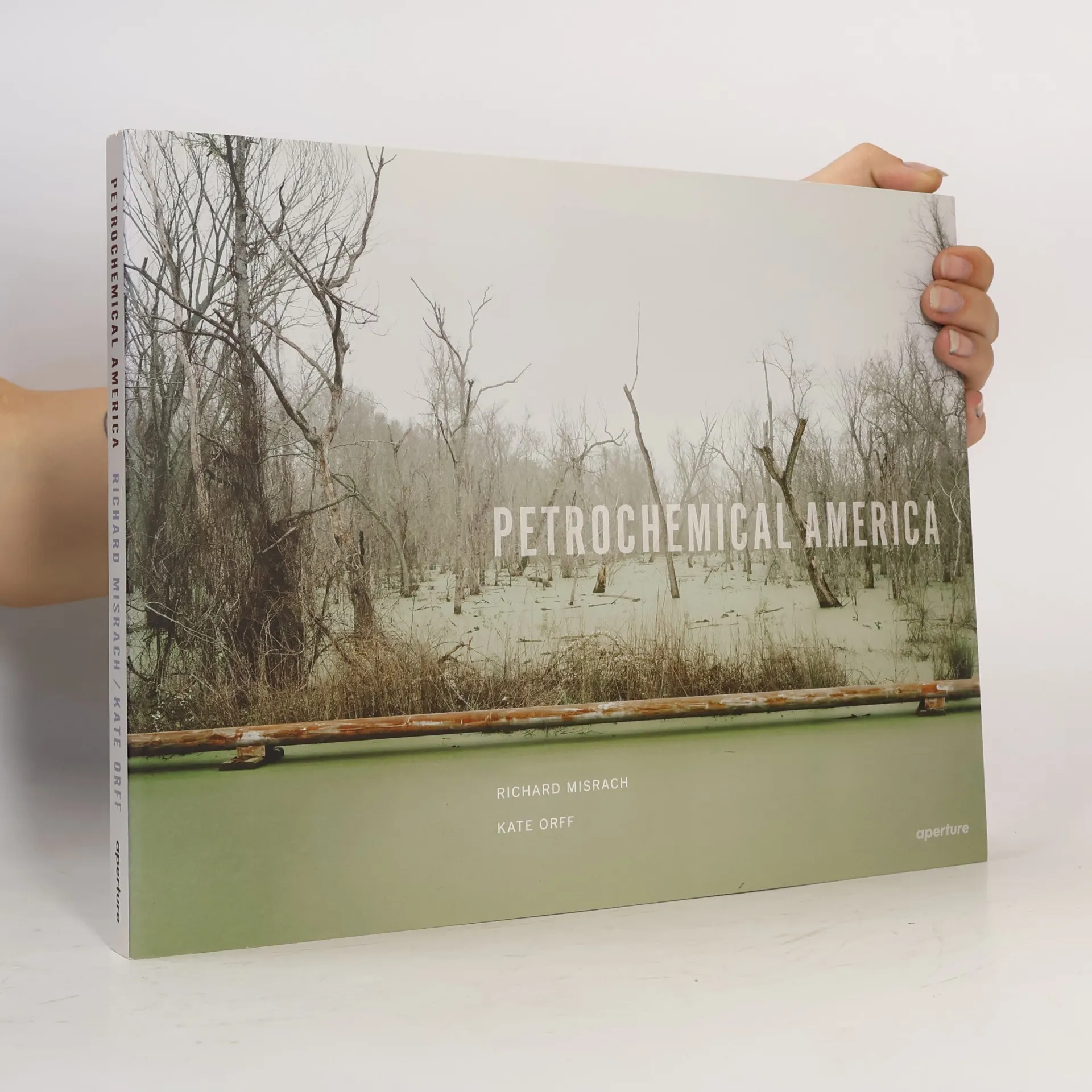
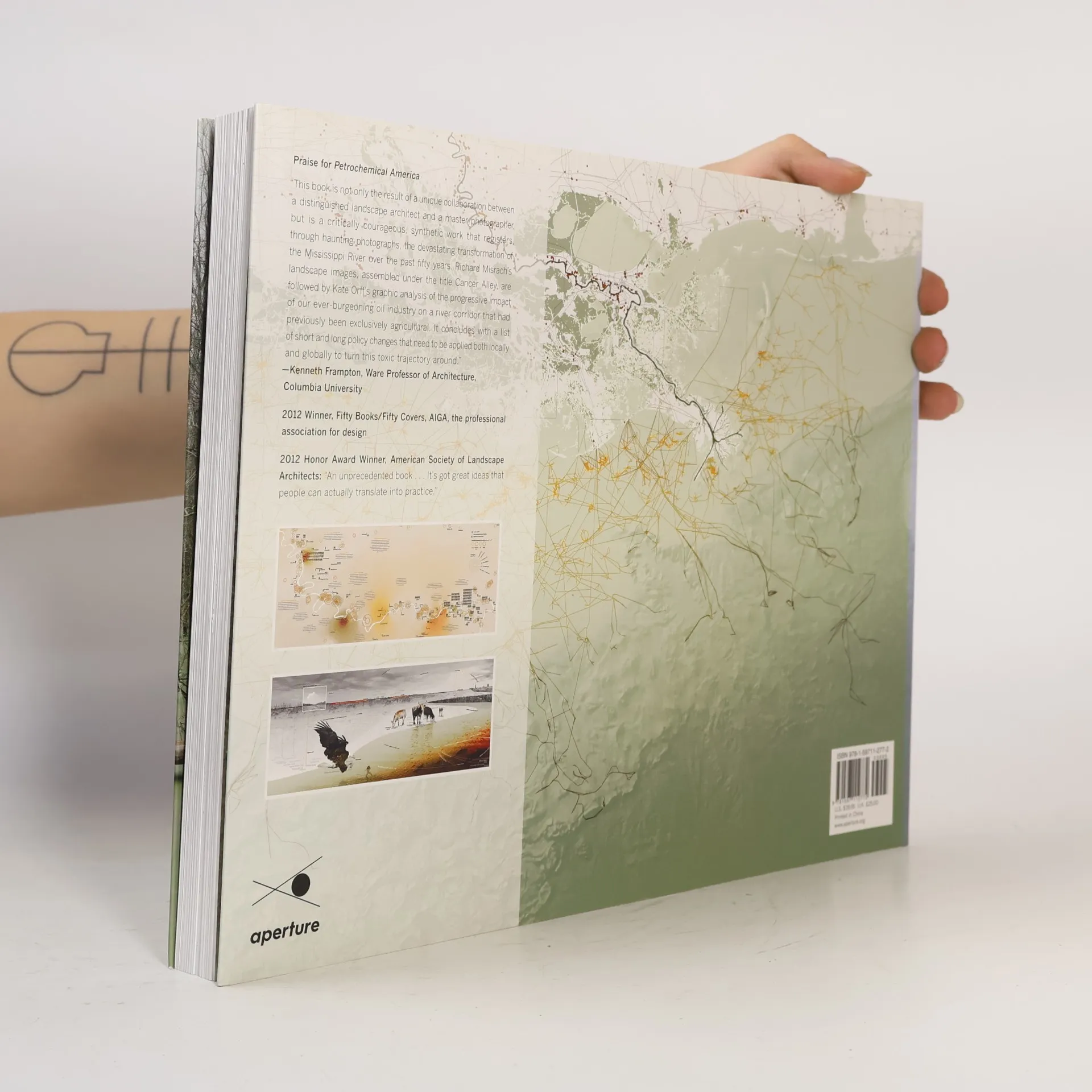
Petrochemical America provides a thorough examination of the environmental degradation along North America's largest river system. It features Richard Misrach’s striking photographs of Louisiana’s “Chemical Corridor” alongside landscape architect Kate Orff’s “Ecological Atlas,” which includes speculative drawings based on extensive research and regional data mapping. This collaboration explores the intricate cultural, physical, and economic ecologies of a 150-mile stretch of the Mississippi River, from Baton Rouge to New Orleans, an area notorious for its high chemical production and dubbed “Cancer Alley” due to alarming cancer rates. The project serves as both a complex document and a well-researched guide to the pervasive influence of the petrochemical industry on contemporary life. While deeply rooted in the region’s unique histories, “Cancer Alley” also symbolizes the broader global effects of petrochemicals on human landscapes. Richard Misrach has a long-standing connection with the American South, previously documenting post-Katrina graffiti in New Orleans. Kate Orff, an assistant professor at Columbia University and founder of SCAPE, integrates sustainable development and community-based change in her work, exemplified by her recent exhibition at MoMA, which envisioned an ecologically revitalized Gowanus Canal.
Book purchase
Petrochemical America, Richard Misrach, Kate Orff
- Language

- Released
- 2014
- Binding
- (Paperback)
Payment methods
No one has rated yet.
- Title
- Petrochemical America
- Language
- English
- Authors
- Richard Misrach, Kate Orff
- Publisher
- Aperture
- Released
- 2014
- Format
- Paperback
- Pages
- 240
- ISBN10
- 1597112771
- ISBN13
- 9781597112772
- Series
- Description
- Petrochemical America provides a thorough examination of the environmental degradation along North America's largest river system. It features Richard Misrach’s striking photographs of Louisiana’s “Chemical Corridor” alongside landscape architect Kate Orff’s “Ecological Atlas,” which includes speculative drawings based on extensive research and regional data mapping. This collaboration explores the intricate cultural, physical, and economic ecologies of a 150-mile stretch of the Mississippi River, from Baton Rouge to New Orleans, an area notorious for its high chemical production and dubbed “Cancer Alley” due to alarming cancer rates. The project serves as both a complex document and a well-researched guide to the pervasive influence of the petrochemical industry on contemporary life. While deeply rooted in the region’s unique histories, “Cancer Alley” also symbolizes the broader global effects of petrochemicals on human landscapes. Richard Misrach has a long-standing connection with the American South, previously documenting post-Katrina graffiti in New Orleans. Kate Orff, an assistant professor at Columbia University and founder of SCAPE, integrates sustainable development and community-based change in her work, exemplified by her recent exhibition at MoMA, which envisioned an ecologically revitalized Gowanus Canal.