


More about the book
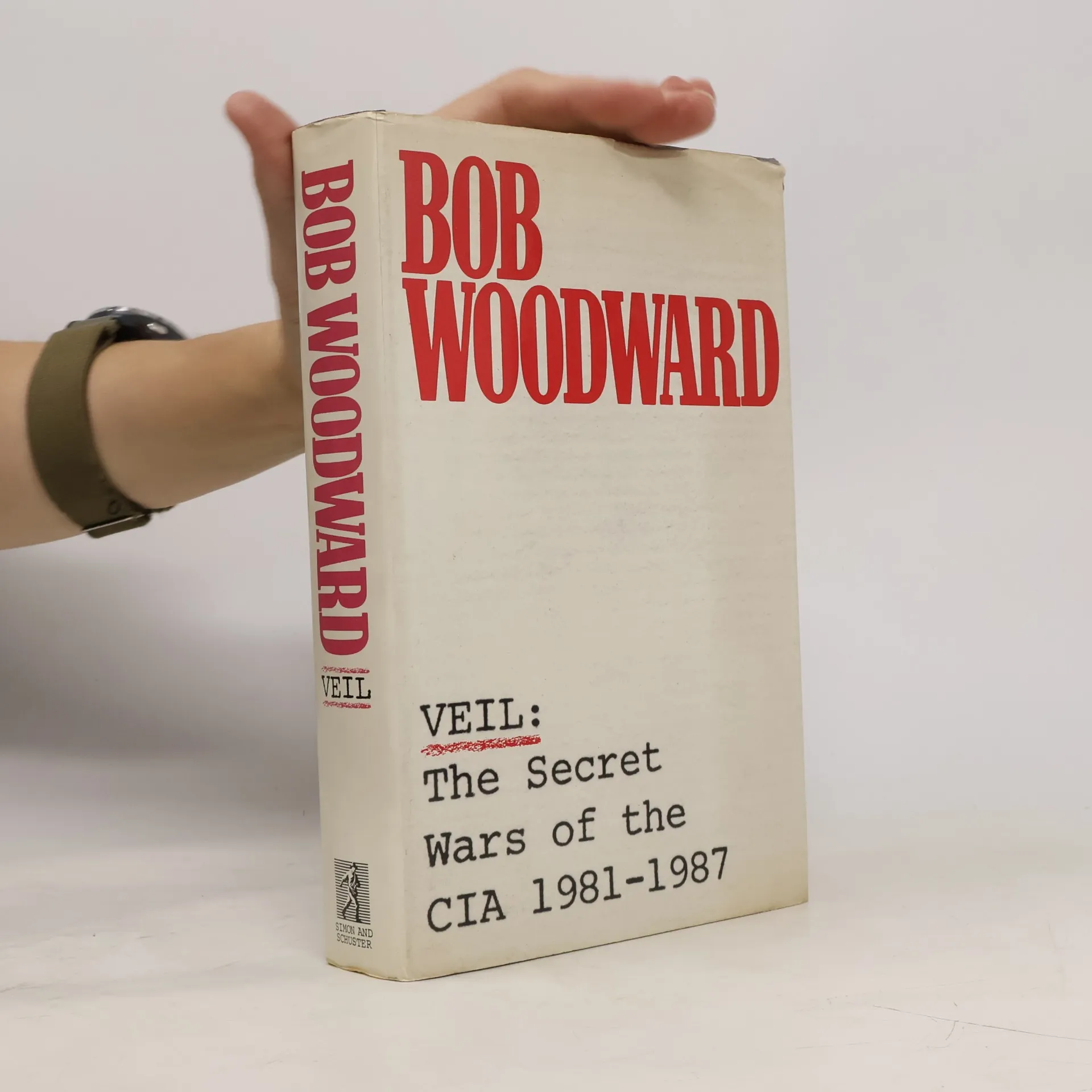
“Everyone always says more than they’re supposed to,” CIA Director Wm J. Casey told Bob Woodward during their interviews. Utilizing hundreds of inside sources and secret documents, Woodward has crafted an unparalleled account of the CIA, its Director, and the US government. Serving from 1981-87, Casey not only reflected but also shaped the foreign policy aspirations of the Reagan administration, which would come to define the era. He maneuvered around Washington's power centers, gaining unprecedented autonomy and becoming perhaps the most powerful CIA Director in its history. With confidence on the global stage, he committed the nation and President to new, expanded covert operations and clandestine relationships. United by generation and philosophy, Reagan and Casey formed a partnership aimed at reshaping the world. Woodward’s extensive access included a hospital visit to Casey on his deathbed—an event initially met with skepticism until confirmed by Ronald Kessler in his book, The CIA at War. Kessler cited Wm Donnelly, head of CIA administration, and Britt Snider, general counsel to the Senate Select Committee on Intelligence, who verified Woodward's 43 meetings and phone calls with Casey. This narrative reveals the covert wars waged in a secretive atmosphere that became central to American foreign policy in the 1980s.
Book purchase
Veil, Bob Woodward
- Language

- Released
- 1987
- Binding
- (Hardcover),
- Book condition
- Good
- Price
- €7.29
Payment methods
No one has rated yet.
- Title
- Veil
- Subtitle
- The Secret Wars of the CIA, 1981-87
- Language
- English
- Authors
- Bob Woodward
- Publisher
- Simon & Schuster
- Released
- 1987
- Format
- Hardcover
- Pages
- 543
- ISBN10
- 0671601172
- ISBN13
- 9780671601171
- Series
- Categories
- Tags
- Politics, Wars, Journalism, Espionage, American History
- Description
- “Everyone always says more than they’re supposed to,” CIA Director Wm J. Casey told Bob Woodward during their interviews. Utilizing hundreds of inside sources and secret documents, Woodward has crafted an unparalleled account of the CIA, its Director, and the US government. Serving from 1981-87, Casey not only reflected but also shaped the foreign policy aspirations of the Reagan administration, which would come to define the era. He maneuvered around Washington's power centers, gaining unprecedented autonomy and becoming perhaps the most powerful CIA Director in its history. With confidence on the global stage, he committed the nation and President to new, expanded covert operations and clandestine relationships. United by generation and philosophy, Reagan and Casey formed a partnership aimed at reshaping the world. Woodward’s extensive access included a hospital visit to Casey on his deathbed—an event initially met with skepticism until confirmed by Ronald Kessler in his book, The CIA at War. Kessler cited Wm Donnelly, head of CIA administration, and Britt Snider, general counsel to the Senate Select Committee on Intelligence, who verified Woodward's 43 meetings and phone calls with Casey. This narrative reveals the covert wars waged in a secretive atmosphere that became central to American foreign policy in the 1980s.