


Parameters
- 228 pages
- 8 hours of reading
More about the book
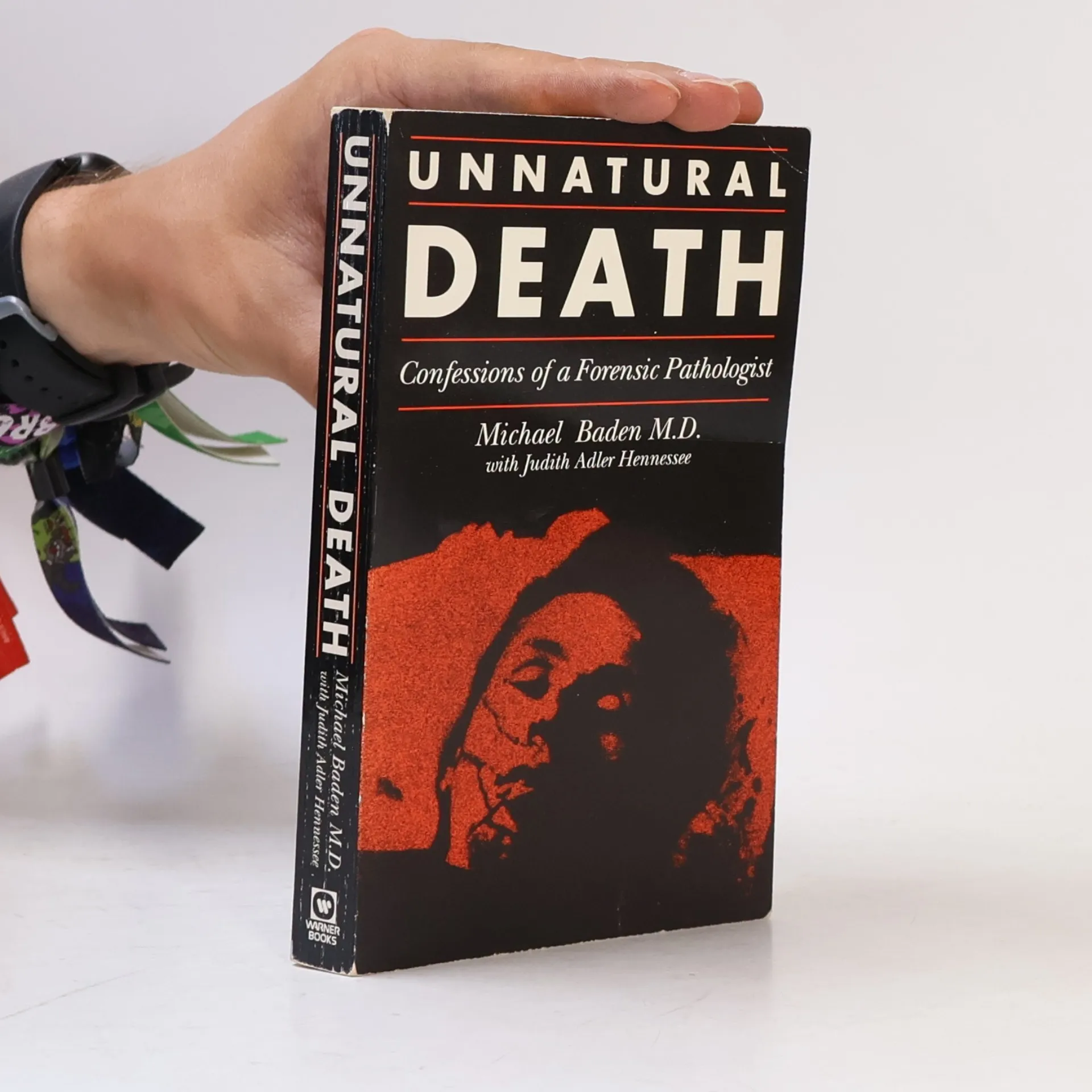
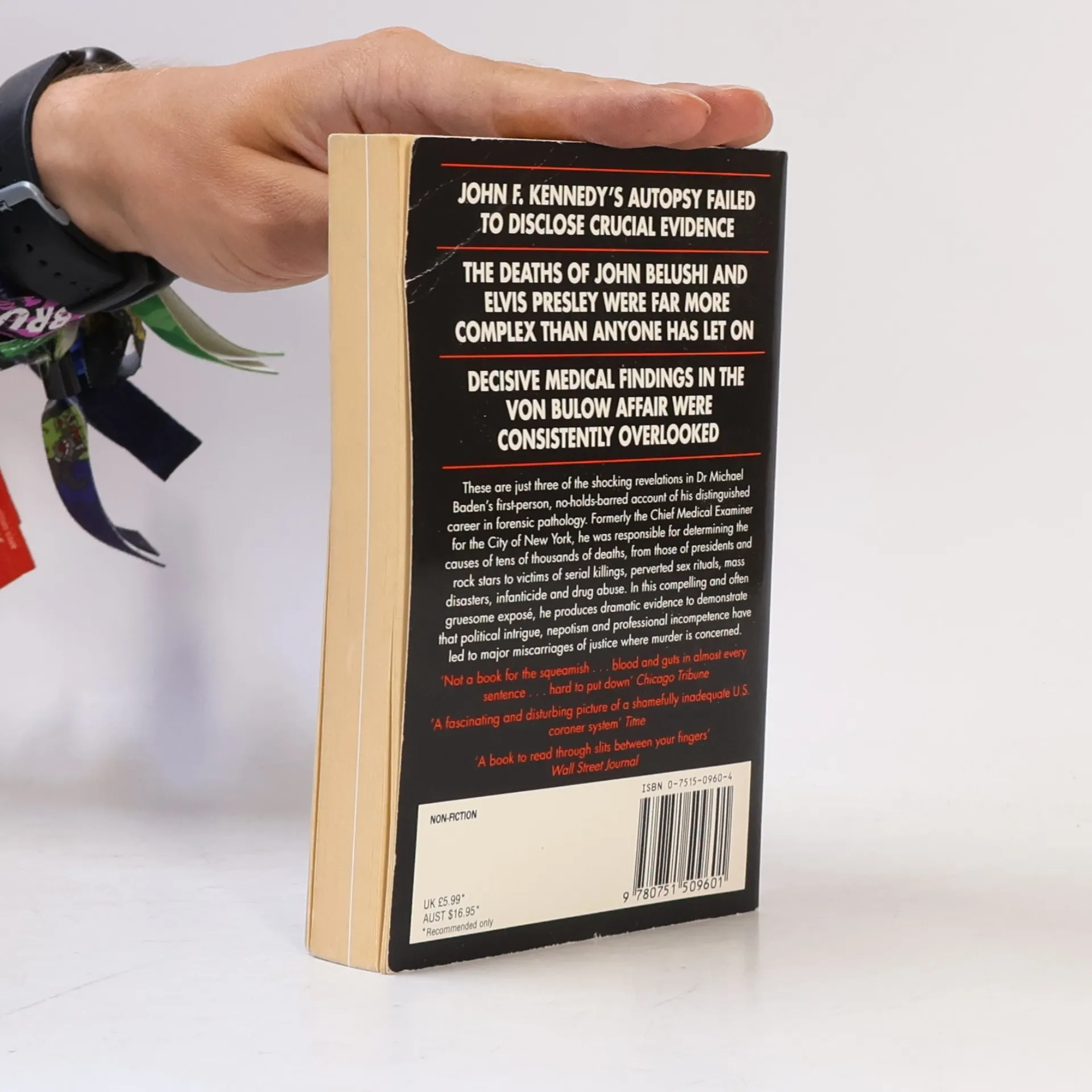
Forensic pathologist Michael Baden was a medical examiner in New York City for more than 25 years. Now he works for the New York State Police and teaches forensic medicine. This engrossing book covers: (1) several famous cases, including Baden's personal re-examination of the autopsy findings for Martin Luther King and John F. Kennedy; (2) unusual cases Baden had as medical examiner for NYC, such as an autopsy on a dining room table at the Plaza Hotel; (3) how medical examiners decide on means of death, with a section on poisons; (4) the history of coroners and medical examiners since 12th century England; (5) disturbing politics involved in the office of the Chief Medical Examiner of NYC; (6) identification of the dead; (7) time of death; (8) multiple-murder cases; (9) an almost perfect murder; (10) close calls, including near deaths during sex; (11) cases of mistaken diagnosis; and (12) autopsy findings that shed light on what happened in the Attica uprising.
Book purchase
Unnatural Death, Michael Baden, Judith Adler Hennessee, John Canning
- Language

- Released
- 1998
- Binding
- (Paperback),
- Book condition
- Good
- Price
- €4.89
Payment methods
No one has rated yet.
- Title
- Unnatural Death
- Subtitle
- Confessions of a Medical Examiner
- Language
- English
- Publisher
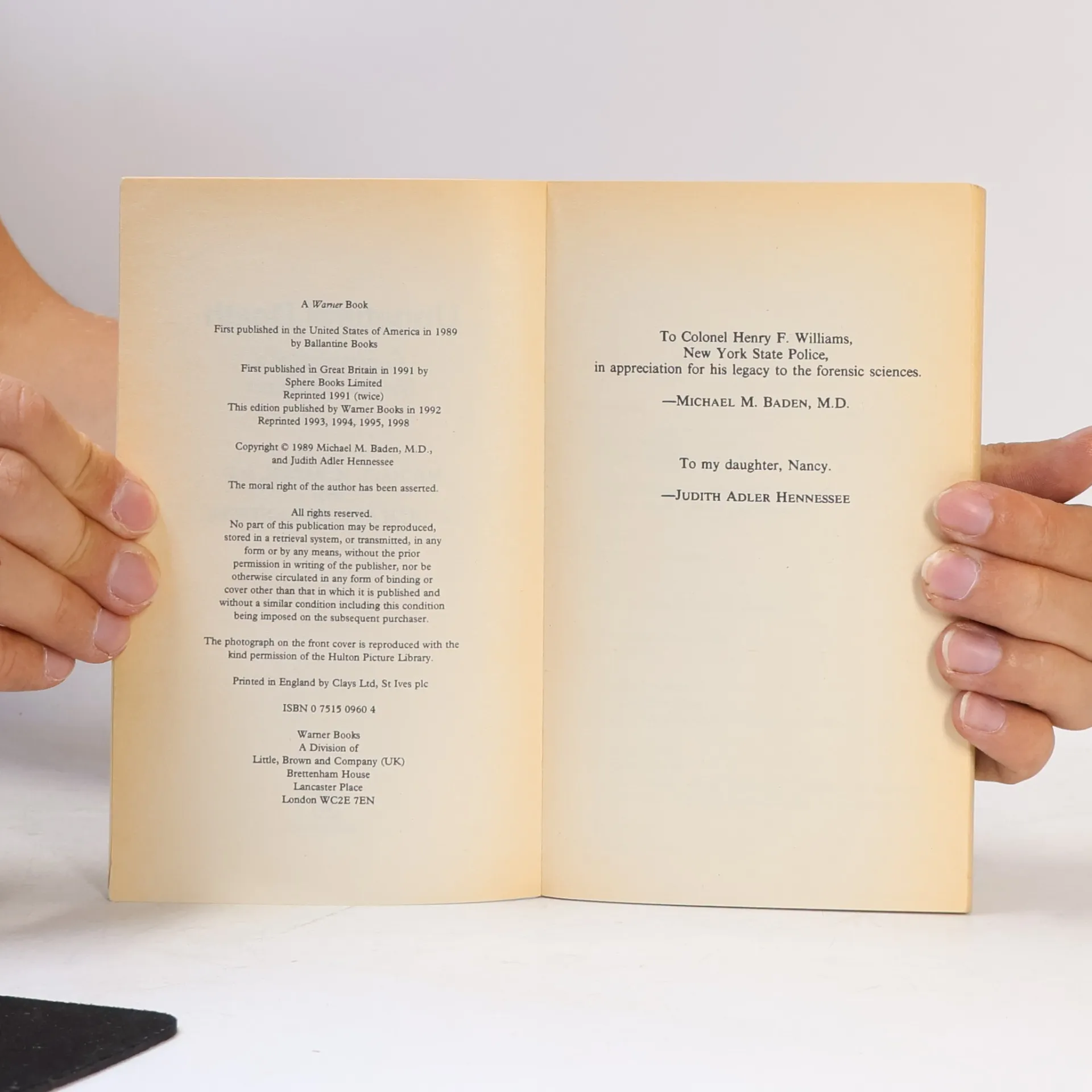
- Timewarner
- Released
- 1998
- Format
- Paperback
- Pages
- 228
- ISBN10
- 0751509604
- ISBN13
- 9780751509601
- Series
- Tags
- Science, Medicine, Death, Crime Rate
- Description
- Forensic pathologist Michael Baden was a medical examiner in New York City for more than 25 years. Now he works for the New York State Police and teaches forensic medicine. This engrossing book covers: (1) several famous cases, including Baden's personal re-examination of the autopsy findings for Martin Luther King and John F. Kennedy; (2) unusual cases Baden had as medical examiner for NYC, such as an autopsy on a dining room table at the Plaza Hotel; (3) how medical examiners decide on means of death, with a section on poisons; (4) the history of coroners and medical examiners since 12th century England; (5) disturbing politics involved in the office of the Chief Medical Examiner of NYC; (6) identification of the dead; (7) time of death; (8) multiple-murder cases; (9) an almost perfect murder; (10) close calls, including near deaths during sex; (11) cases of mistaken diagnosis; and (12) autopsy findings that shed light on what happened in the Attica uprising.