

More about the book
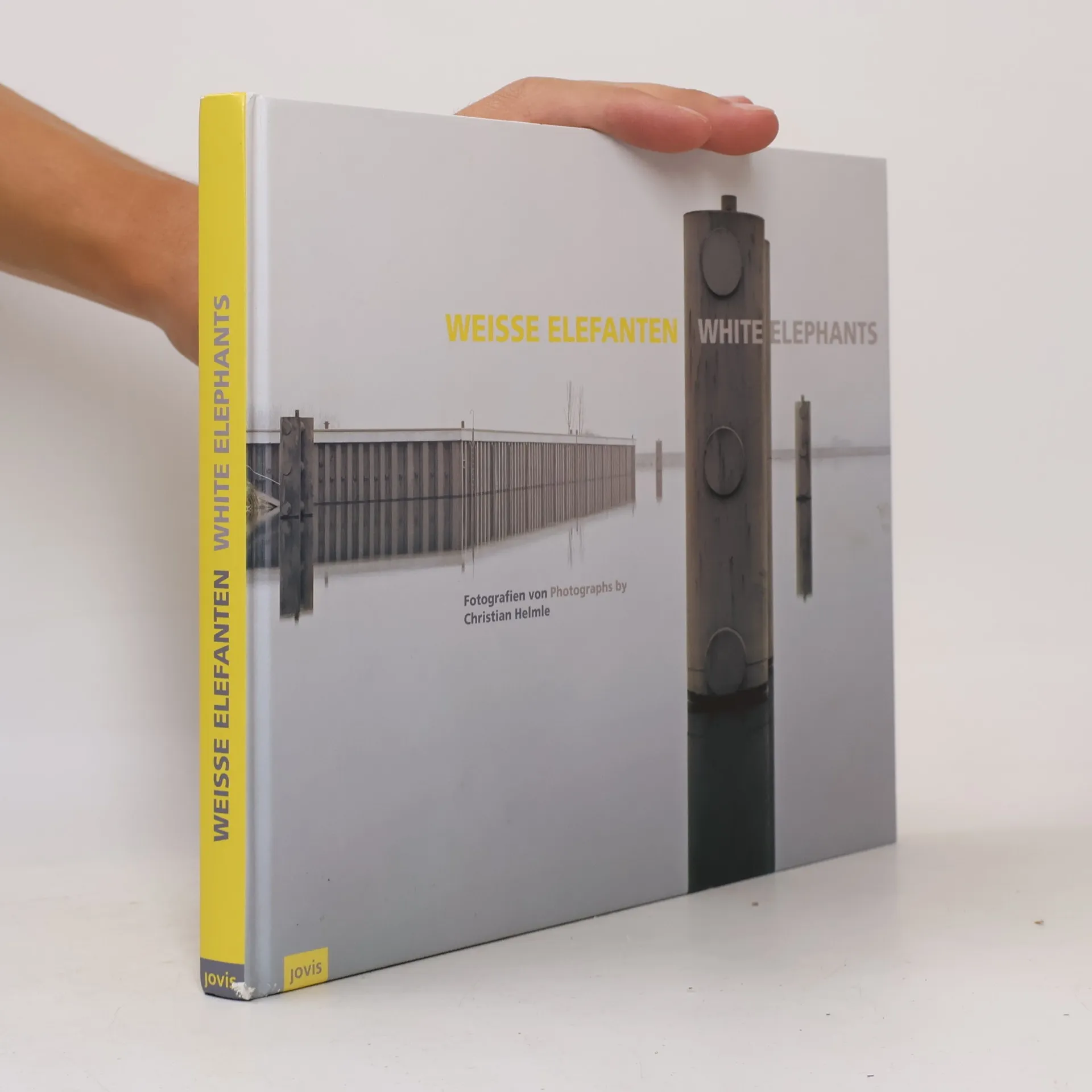
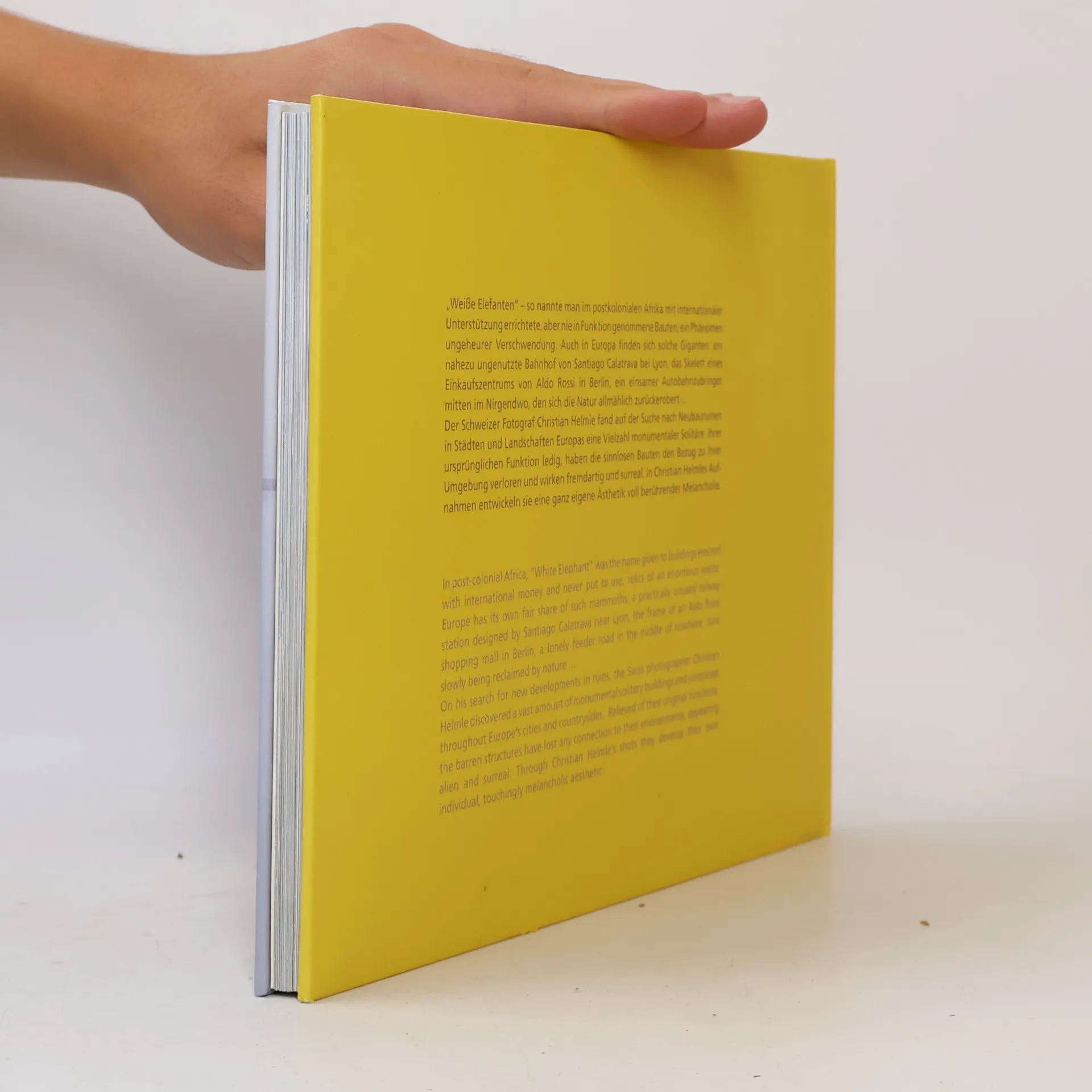
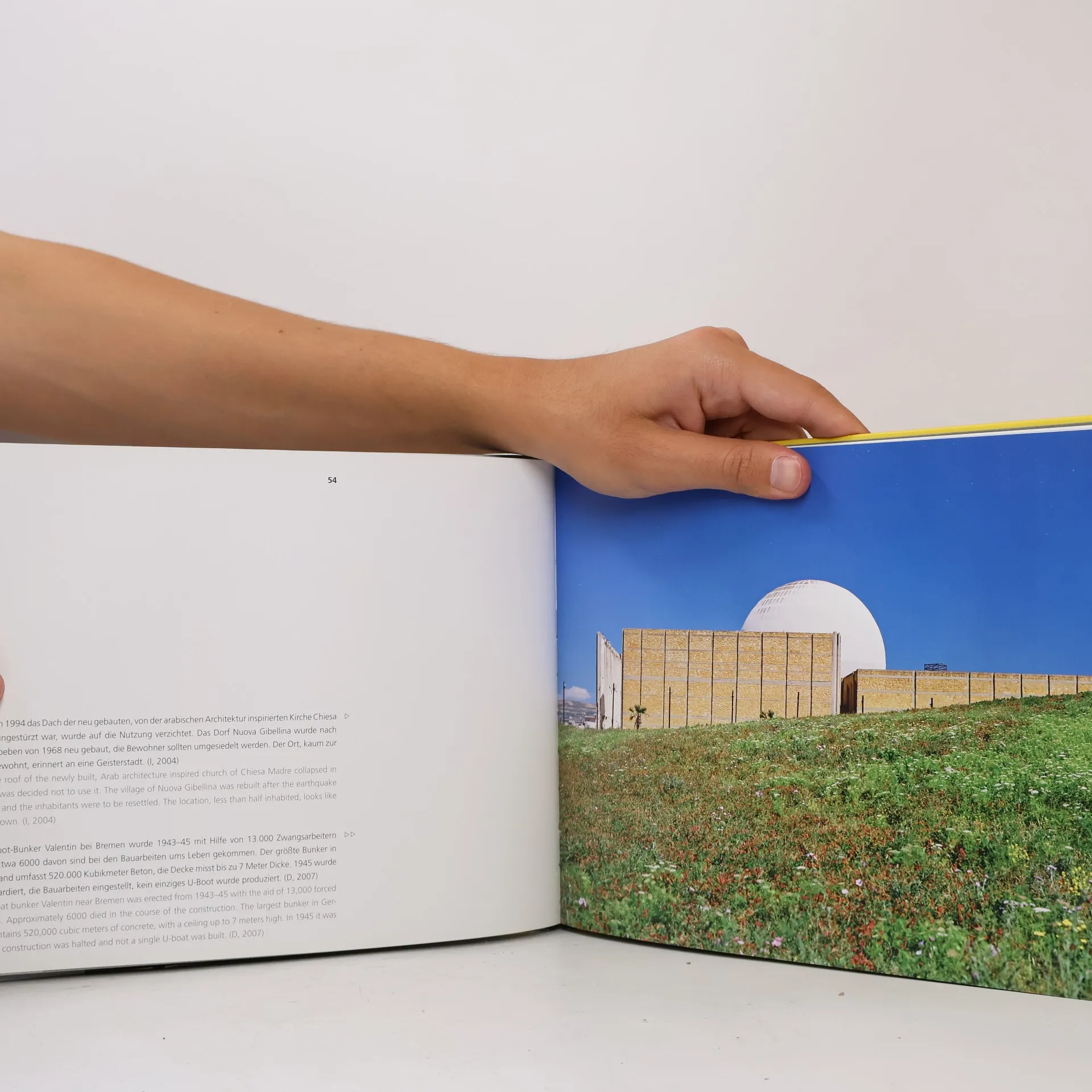
In post-colonial Africa, "White Elephant" was the ironic moniker given to buildings erected with international money and never put to use. They remain as blights--eroding reminders of enormous waste. Europe has its own collection of these contemporary ruins, such as Santiago Calatrava's practically unused railway station near Lyon and the partially completed Aldo Rossi shopping mall in Berlin. On his search for the remains of these architectural wastelands, Swiss photographer Christian Helmle discovered numerous other examples throughout Europe--in both urban and rural locations. There is no connection between the barren structures and their communities, since they have never fulfilled their intended function; nature has claimed them instead. In light of their instant obsolescence, these sites have a surreal air--and a sense of melancholy--which Helmle heightens to great effect.
Book purchase
Weiße Elefanten, Christian Helmle
- Language

- Released
- 2007
- Binding
- (Hardcover),
- Book condition
- Good
- Price
- €10.99
Payment methods
No one has rated yet.
- Title
- Weiße Elefanten
- Subtitle
- White Elephants
- Language
- English
- Authors
- Christian Helmle
- Publisher
- jovis
- Released
- 2007
- Format
- Hardcover
- Pages
- 128
- ISBN10
- 3939633194
- ISBN13
- 9783939633198
- Series
- Categories
- Tags
- Description
- In post-colonial Africa, "White Elephant" was the ironic moniker given to buildings erected with international money and never put to use. They remain as blights--eroding reminders of enormous waste. Europe has its own collection of these contemporary ruins, such as Santiago Calatrava's practically unused railway station near Lyon and the partially completed Aldo Rossi shopping mall in Berlin. On his search for the remains of these architectural wastelands, Swiss photographer Christian Helmle discovered numerous other examples throughout Europe--in both urban and rural locations. There is no connection between the barren structures and their communities, since they have never fulfilled their intended function; nature has claimed them instead. In light of their instant obsolescence, these sites have a surreal air--and a sense of melancholy--which Helmle heightens to great effect.