

Dun Karm's Beyond Self
As a Theology From the Mediterranean
Authors
Parameters
More about the book
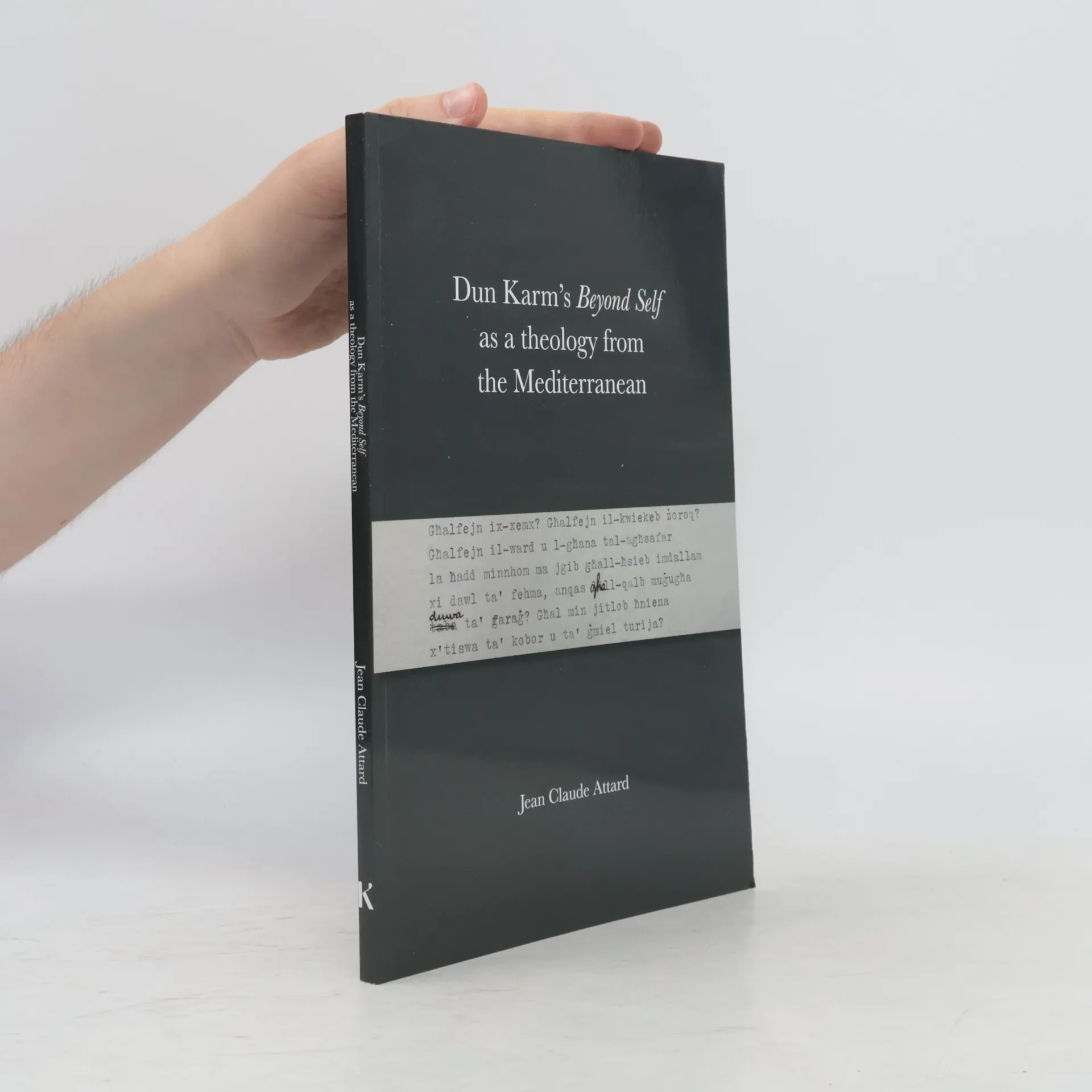
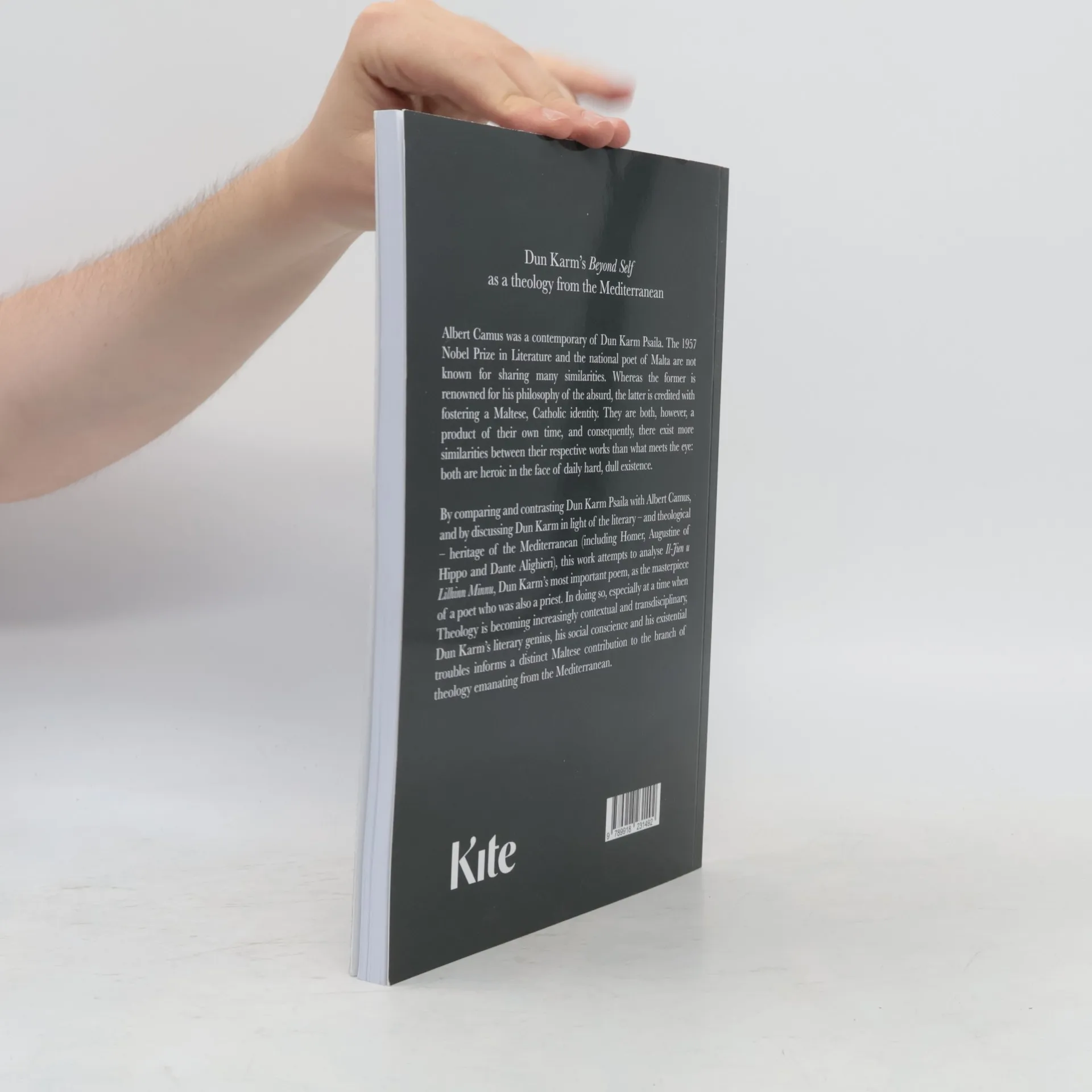
Albert Camus was a contemporary of Dun Karm Psaila. The 1957 Nobel Prize in Literature and the national poet of Malta are not known for sharing many similarities. Whereas the former is renowned for his philosophy of the absurd, the latter is credited with fostering a Maltese, Catholic identity. They are both, however, a product of their own time, and consequently, there exist more similarities between their respective works than what meets the eye: both are heroic in the face of daily hard, dull existence. By comparing and contrasting Dun Karm Psaila with Albert Camus, and by discussing Dun Karm in light of the literary-and theological-heritage of the Mediterranean (including Homer, Augustine of Hippo and Dante Alighieri), this work attempts to analyse Il-Jien u Lillinn Minnu, Dun Karm's most important poem, as the masterpiece of a poet who was also a priest. In doing so, especially at a time when Theology is becoming increasingly contextual and transdisciplinary, Dun Karm's literary genius, his social conscience and his existential troubles informs a distinct Maltese contribution to the branch of theology emanating from the Mediterranean.
Book purchase
Dun Karm's Beyond Self, Jean Claude Attard
- Language

- Released
- 2024
- Binding
- (Paperback),
- Book condition
- Good
- Price
- €4.89
Payment methods
No one has rated yet.
- Title
- Dun Karm's Beyond Self
- Subtitle
- As a Theology From the Mediterranean
- Language
- English
- Authors
- Jean Claude Attard
- Publisher
- Kite Group
- Released
- 2024
- Format
- Paperback
- ISBN10
- 9918231491
- ISBN13
- 9789918231492
- Series
- Description
- Albert Camus was a contemporary of Dun Karm Psaila. The 1957 Nobel Prize in Literature and the national poet of Malta are not known for sharing many similarities. Whereas the former is renowned for his philosophy of the absurd, the latter is credited with fostering a Maltese, Catholic identity. They are both, however, a product of their own time, and consequently, there exist more similarities between their respective works than what meets the eye: both are heroic in the face of daily hard, dull existence. By comparing and contrasting Dun Karm Psaila with Albert Camus, and by discussing Dun Karm in light of the literary-and theological-heritage of the Mediterranean (including Homer, Augustine of Hippo and Dante Alighieri), this work attempts to analyse Il-Jien u Lillinn Minnu, Dun Karm's most important poem, as the masterpiece of a poet who was also a priest. In doing so, especially at a time when Theology is becoming increasingly contextual and transdisciplinary, Dun Karm's literary genius, his social conscience and his existential troubles informs a distinct Maltese contribution to the branch of theology emanating from the Mediterranean.