

You'll get the exact copy in the photo
Parameters
- 276 pages
- 10 hours of reading
More about the book
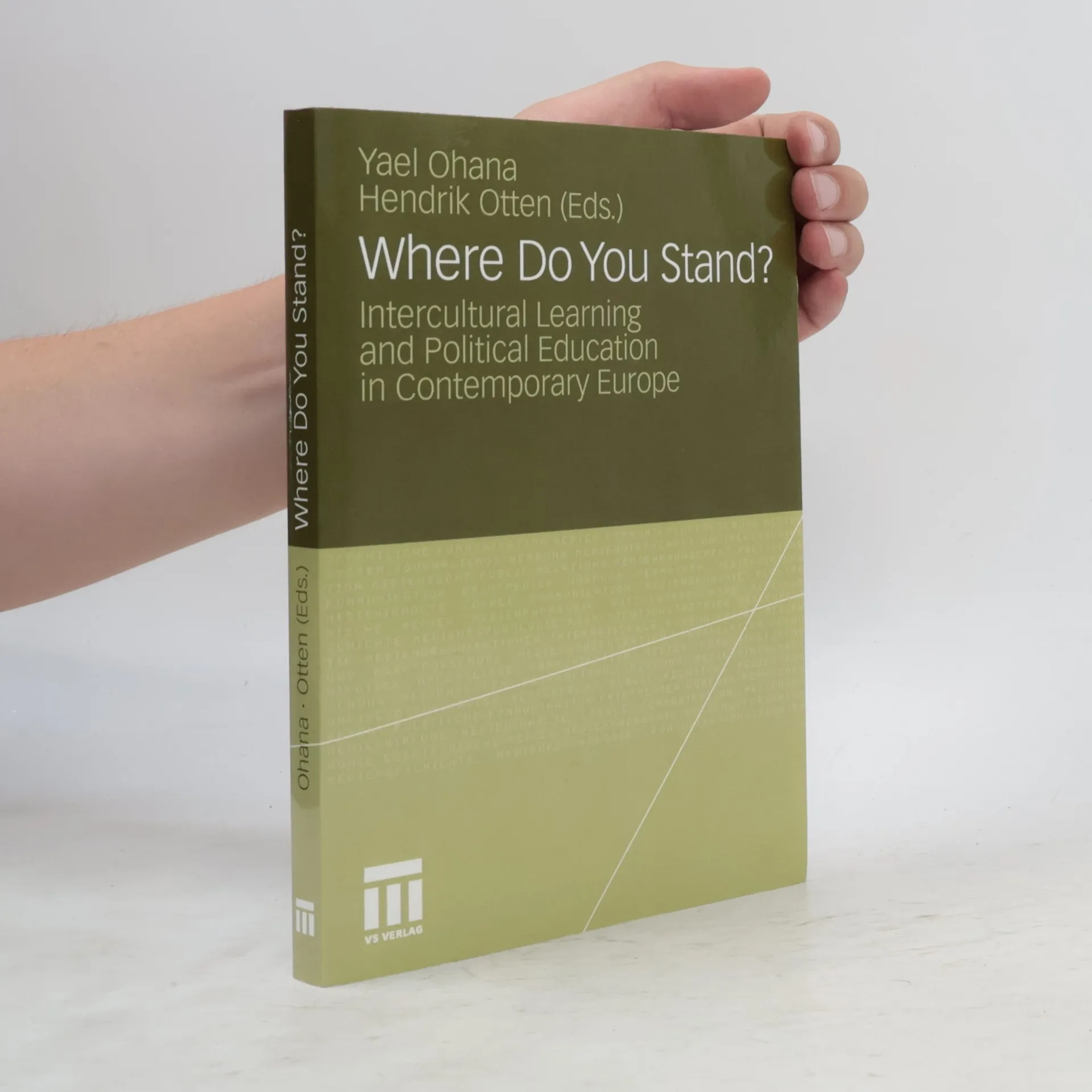
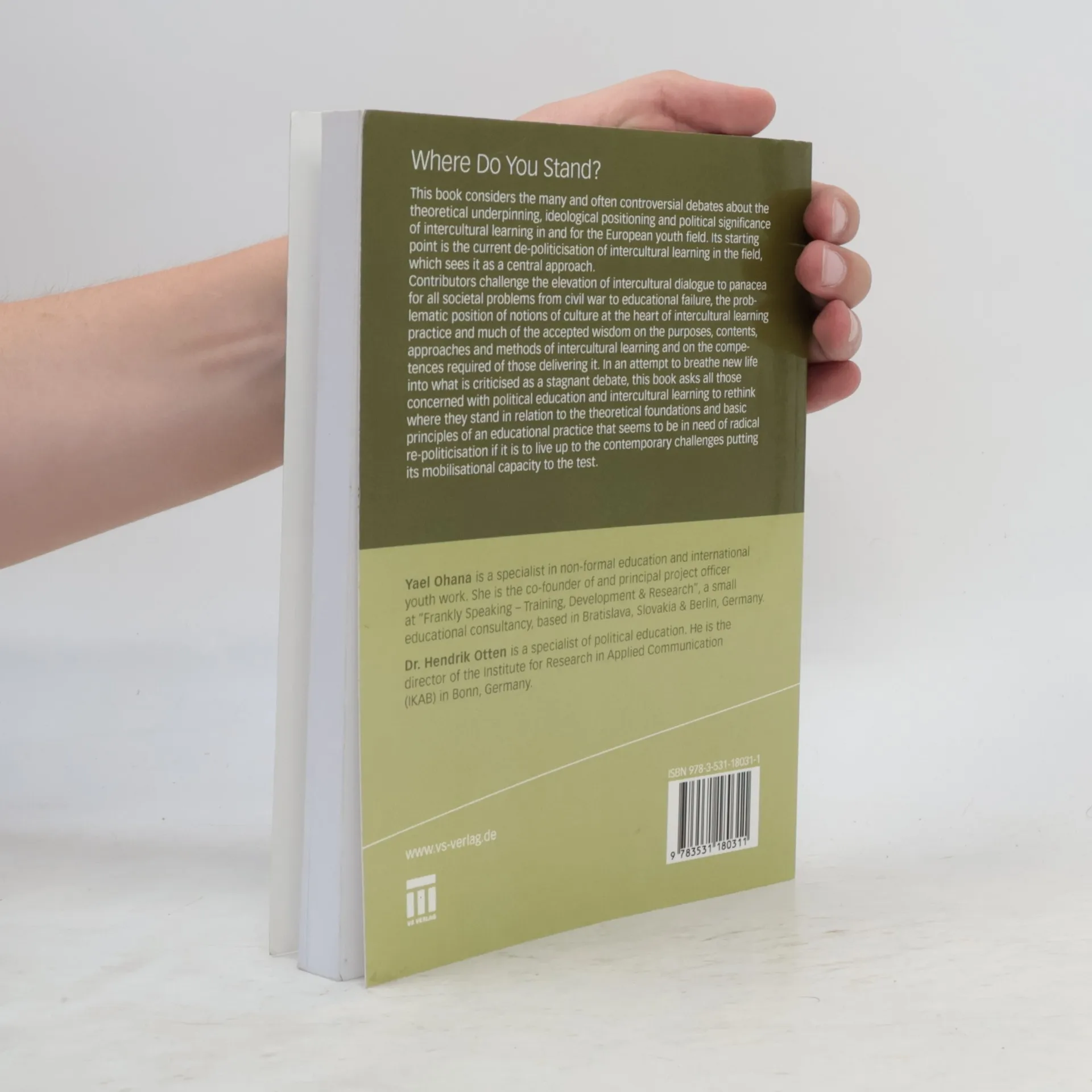
This publication takes up the many and often controversial debates about the nature, content, methods and political significance of intercultural learning in and for the European youth field. Its starting point is the current depoliticisation of intercultural learning in this field, and especially in the programmes of the European Commission and the Directorate of Youth and Sport of the Council of Europe over the last several years. At the same time, the elevation of “intercultural dialogue” to panacea for all societal problems, from civil war to educational failure, is putting the mobilisational value of intercultural learning to the test.
Book purchase
Where do you stand?, Yael Ohana
- Language

- Released
- 2011
- Binding
- (Paperback),
- Book condition
- Good
- Price
- €11.49
Payment methods
No one has rated yet.
- Title
- Where do you stand?
- Subtitle
- Intercultural Learning and Political Education in Contemporary Europe
- Language
- English
- Authors
- Yael Ohana
- Publisher
- VS-Verl.
- Released
- 2011
- Format
- Paperback
- Pages
- 276
- ISBN10
- 3531180312
- ISBN13
- 9783531180311
- Series
- Categories
- Tags
- Other Textbooks, Politics, Education & School System, Europe, Linguistics, Political Theories, Ethics, Media and Media Communication, Contemporary History, Western Europe, Human Rights, Multicultural Education
- Description
- This publication takes up the many and often controversial debates about the nature, content, methods and political significance of intercultural learning in and for the European youth field. Its starting point is the current depoliticisation of intercultural learning in this field, and especially in the programmes of the European Commission and the Directorate of Youth and Sport of the Council of Europe over the last several years. At the same time, the elevation of “intercultural dialogue” to panacea for all societal problems, from civil war to educational failure, is putting the mobilisational value of intercultural learning to the test.