

More about the book
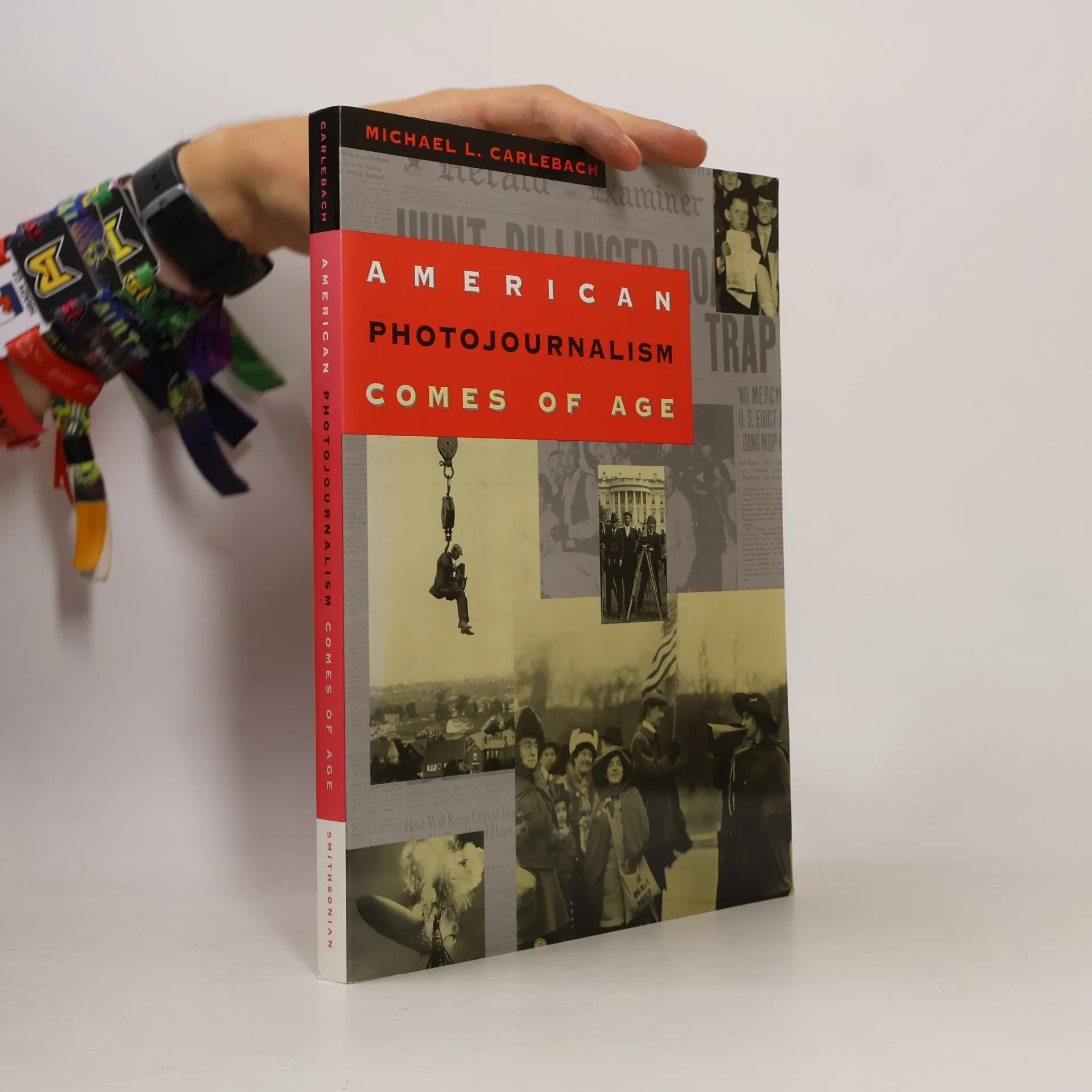
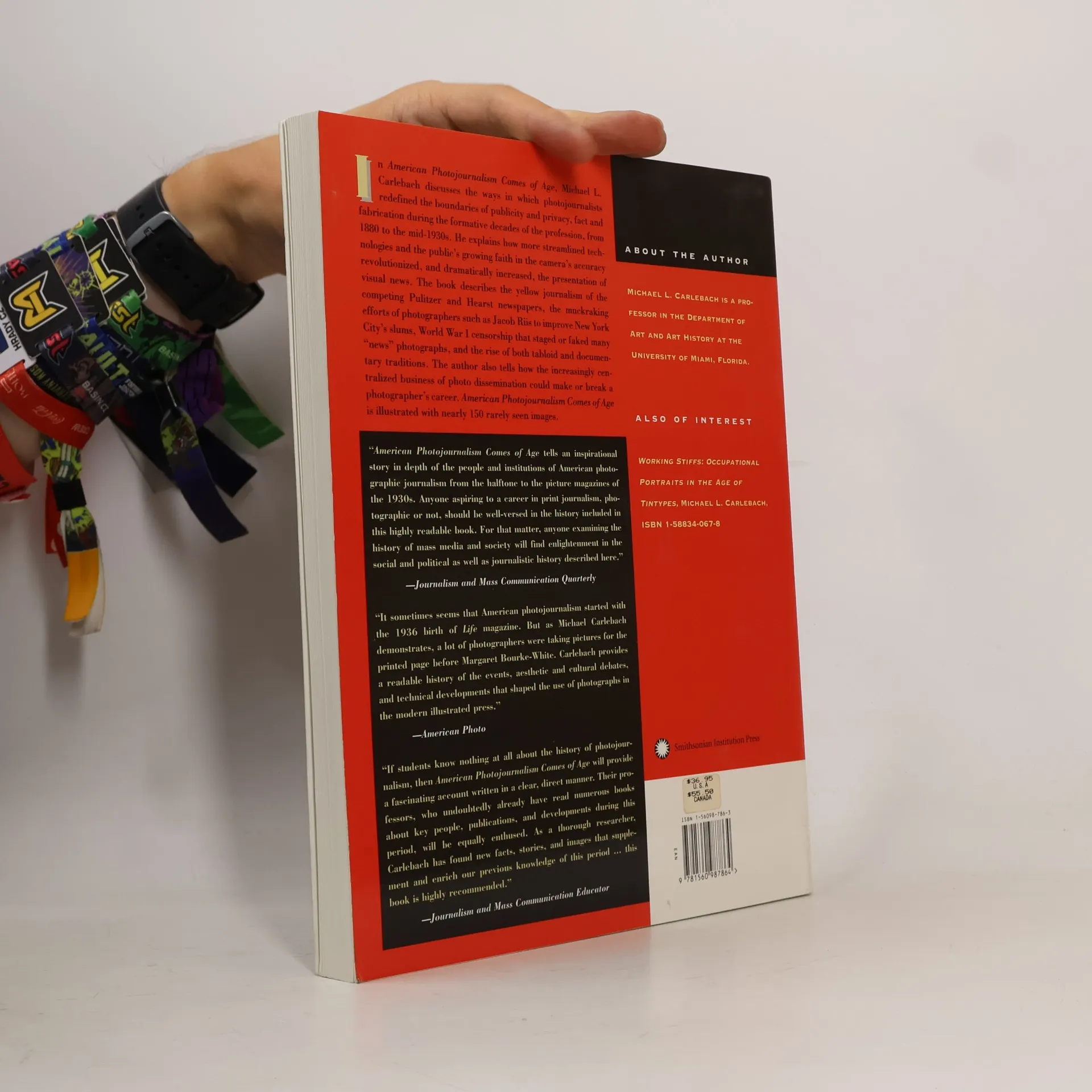
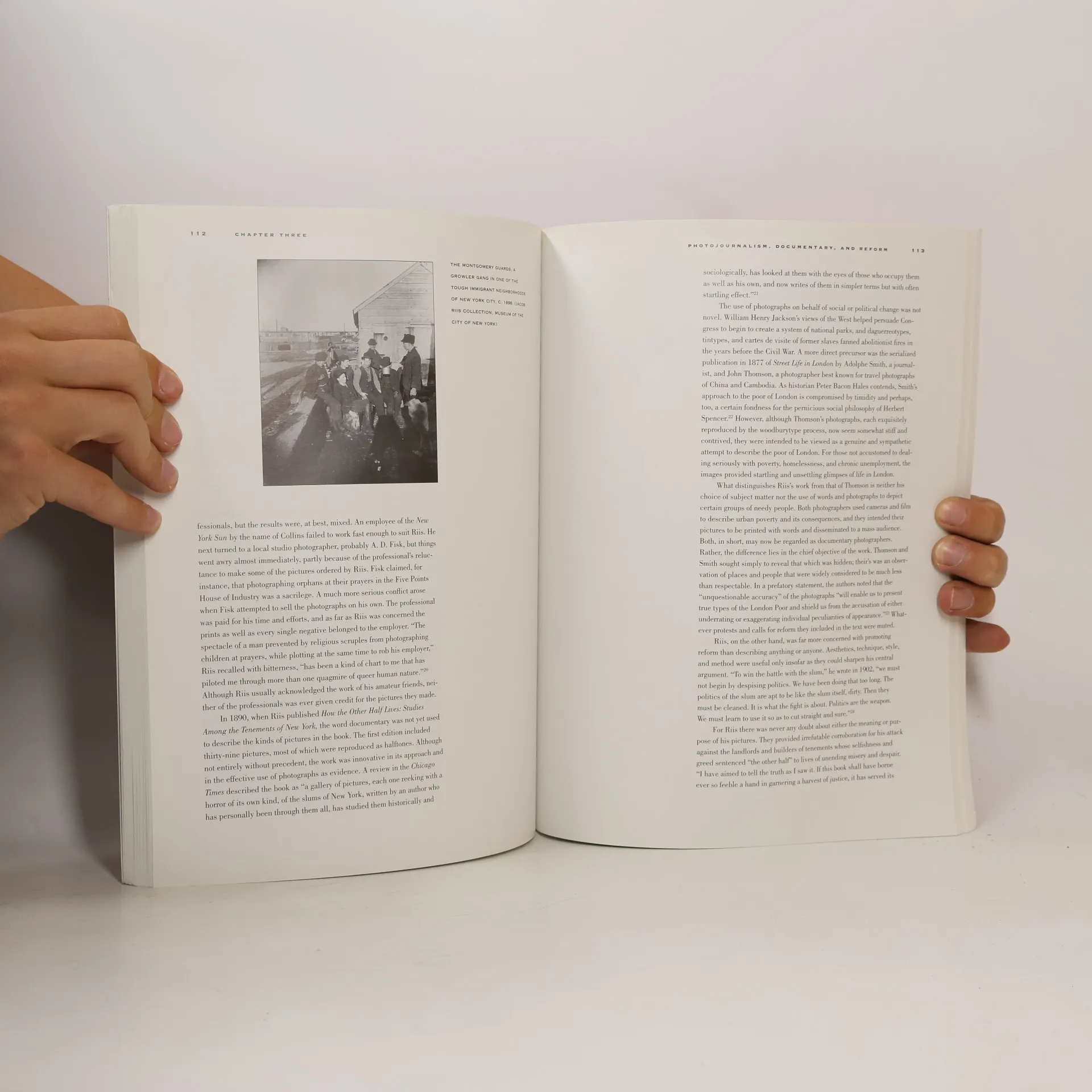
In American Photojournalism Comes of Age , Michael L. Carlebach discusses the ways in which photojournalists redefined the boundaries of publicity and privacy, fact and fabrication during the formative decades of the profession. He explains how photographers and editors took advantage not only of more streamlined technologies but also of the public’s faith in the camera’s accuracy to revolutionize and dramatically increase the presentation of visual news. The book describes the unabashed yellow journalism of the competitive Pulitzer and Hearst newspapers, the muckraking efforts of photographers such as Jacob Riis to improve New York City’s slums, World War I censorship so stringent that most “news” photographs were faked, and the rise of both the tabloid and documentary traditions.Illustrated with nearly 150 rarely seen images, this book offers the first in-depth study of a pivotal period in the history of photojournalism, describing the coalescence of a profession that would achieve its fullest expression in the subsequent decade.
Book purchase
American Photojournalism Comes of Age, Michael L. Carlebach
- Language

- Released
- 1997
- Binding
- (Paperback),
- Book condition
- Good
- Price
- €6.99
Payment methods
No one has rated yet.
- Title
- American Photojournalism Comes of Age
- Language
- English
- Authors
- Michael L. Carlebach
- Publisher
- Smithsonian Institution Press
- Released
- 1997
- Format
- Paperback
- Pages
- 222
- ISBN10
- 1560987863
- ISBN13
- 9781560987864
- Series
- Tags
- Historical Themes, Business, USA, Journalism
- Description
- In American Photojournalism Comes of Age , Michael L. Carlebach discusses the ways in which photojournalists redefined the boundaries of publicity and privacy, fact and fabrication during the formative decades of the profession. He explains how photographers and editors took advantage not only of more streamlined technologies but also of the public’s faith in the camera’s accuracy to revolutionize and dramatically increase the presentation of visual news. The book describes the unabashed yellow journalism of the competitive Pulitzer and Hearst newspapers, the muckraking efforts of photographers such as Jacob Riis to improve New York City’s slums, World War I censorship so stringent that most “news” photographs were faked, and the rise of both the tabloid and documentary traditions.Illustrated with nearly 150 rarely seen images, this book offers the first in-depth study of a pivotal period in the history of photojournalism, describing the coalescence of a profession that would achieve its fullest expression in the subsequent decade.