

More about the book
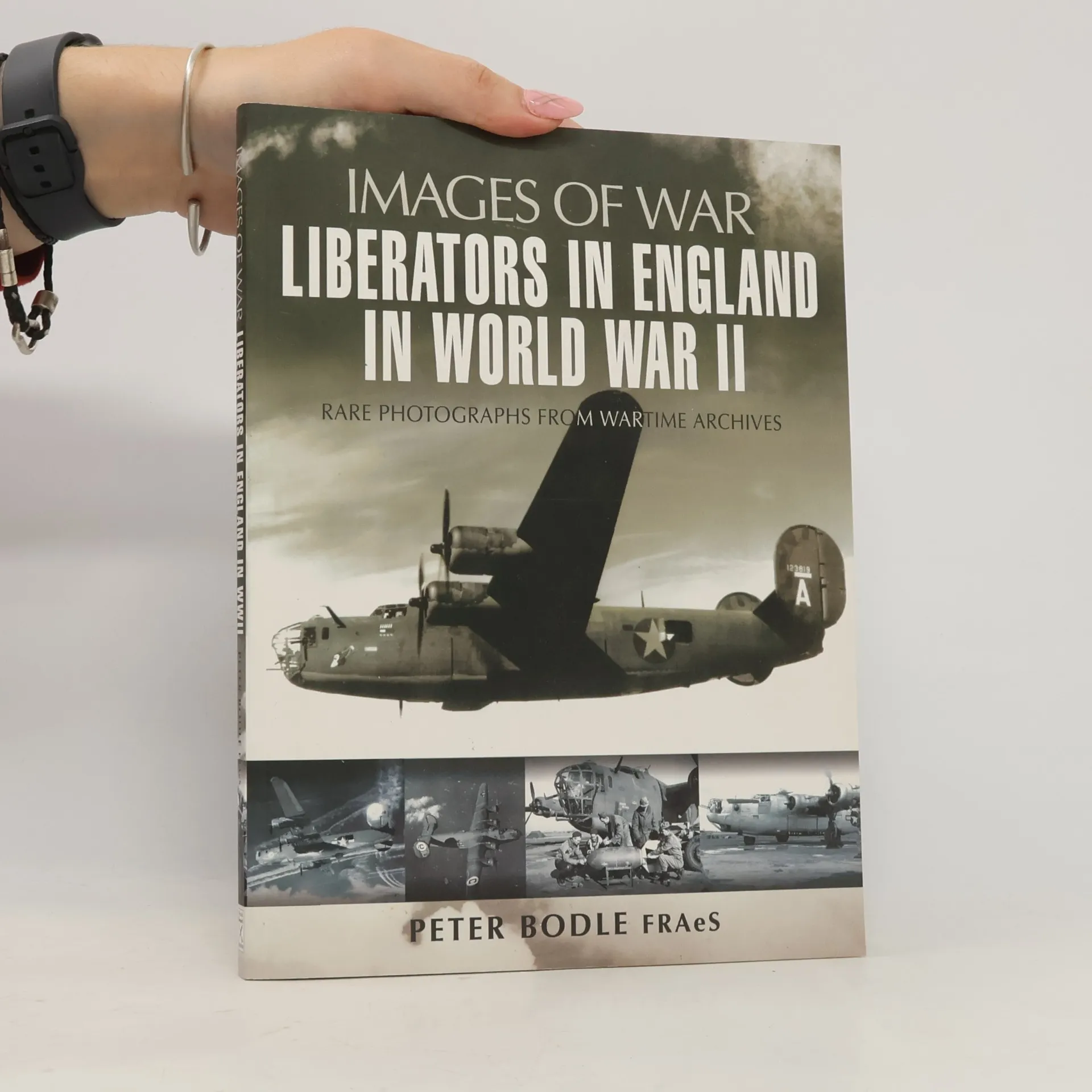
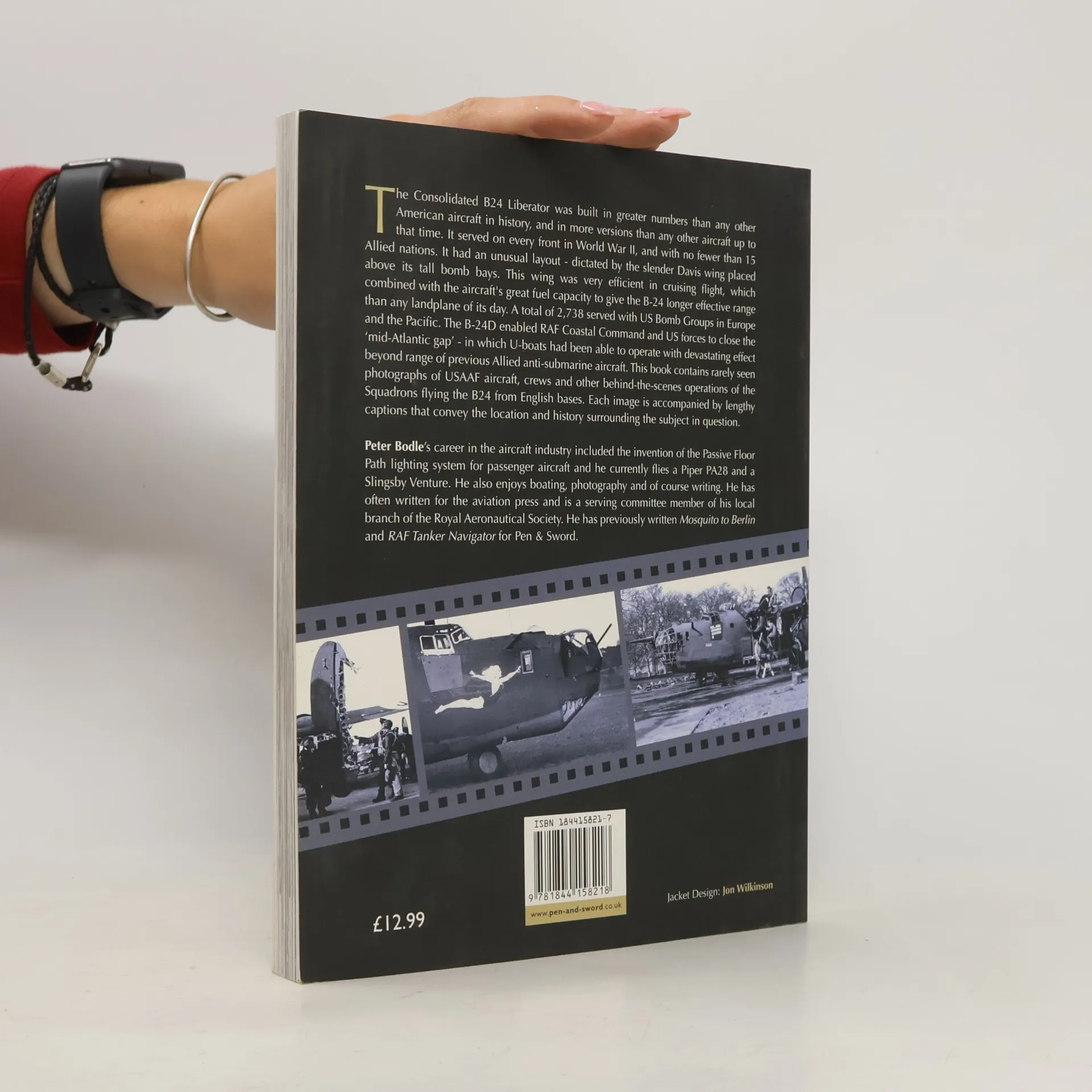
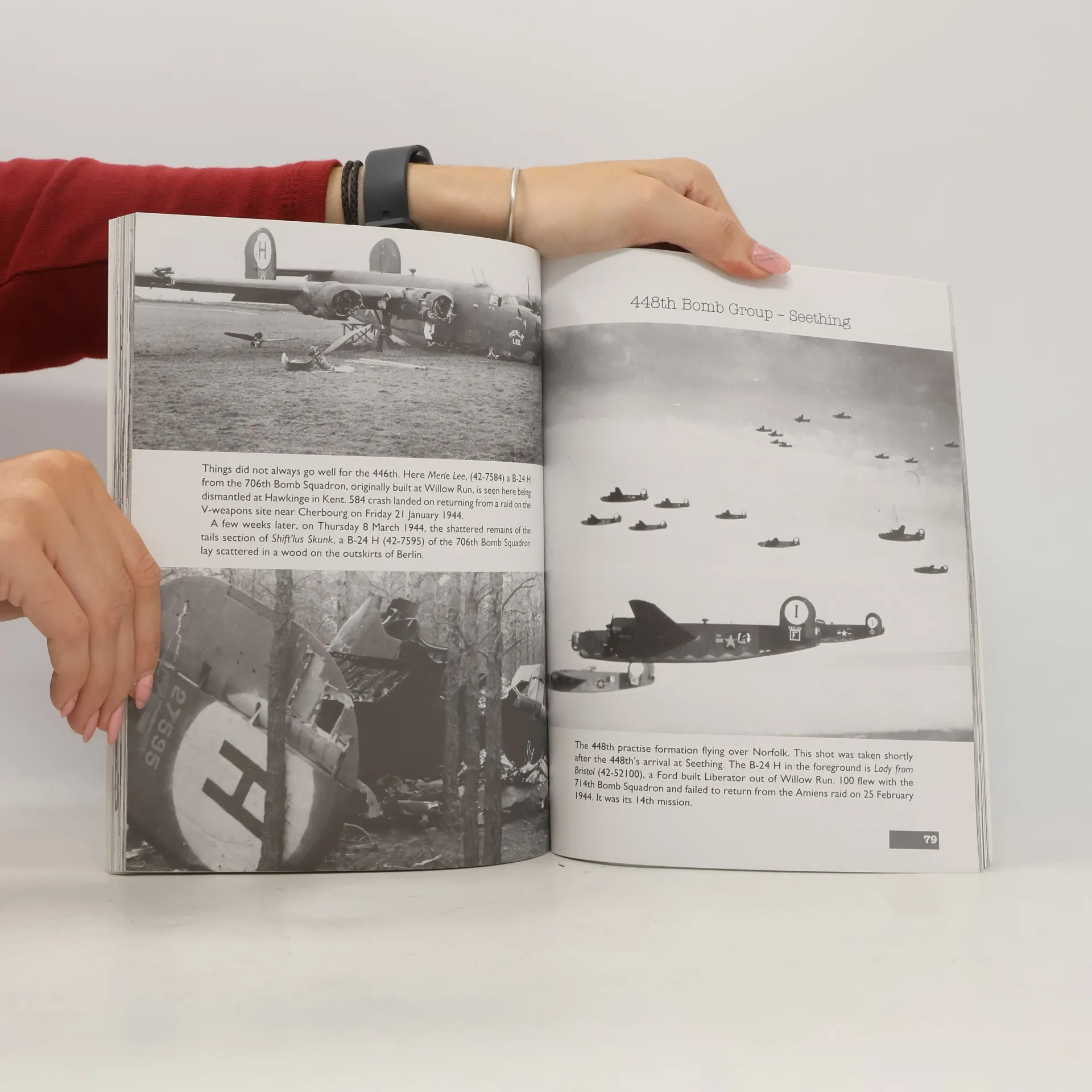
The Consolidated B24 Liberator was built in greater numbers than any other American aircraft in history, and in more versions than any other aircraft up to that time. It served on every front in World War II, and with now fewer than 15 Allied nations. It had an unusual layout - dictated by the slender Davis wing placed above its tall bomb bays. This wing was very efficient in cruising flight, which combined with the aircraft's great fuel capacity to give the B-24 longer effective range than any land plane of its day. The B-24D was the first version produced in great numbers. It had turbocharged engines, increased fuel capacity and improved armament, as well as many detail changes. A total of 2,738 served with US Bomb Groups in Europe and the Pacific. The B-24D enabled RAF Coastal Command and US forces to close the ‘mid-Atlantic gap’ - in which U-boats had been able to operate with devastating effect beyond range of previous Allied antisubmarine aircraft. A total of 18,188 Liberators and Liberator variants were built between June of 1941 and the closing down of the last assembly line on May 31, 1945.his book contains rarely seen photographs of USAAF aircraft, crews and other behind-the-scenes operations of the Squadrons flying the B24 from English bases. Each image is accompanied by lengthy captions that convey the location and history surrounding the subject in question.
Book purchase
Liberators in England in World War II, Peter W. Bodle
- Language

- Released
- 2008
- Binding
- (Paperback)
Payment methods
No one has rated yet.
- Title
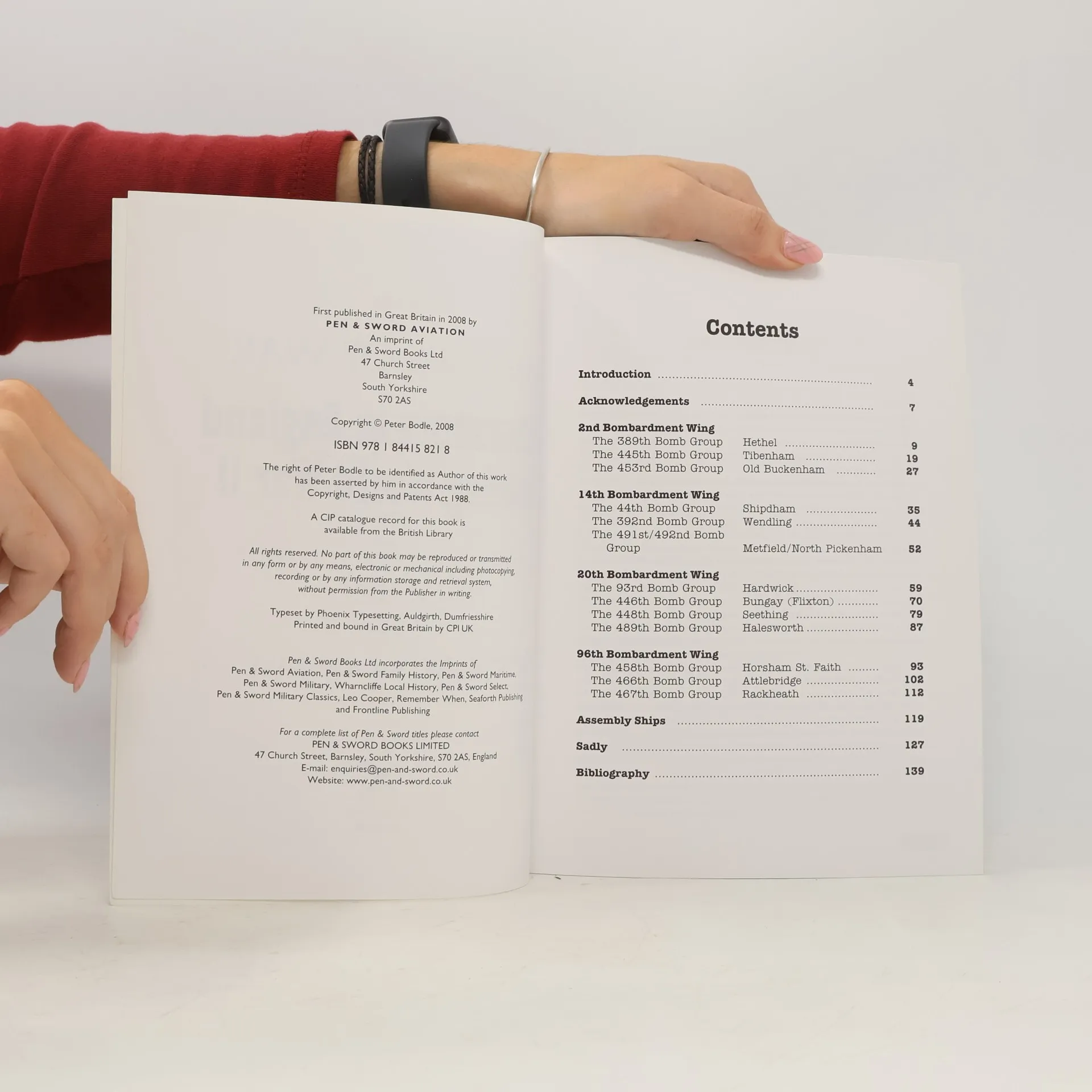
- Liberators in England in World War II
- Language
- English
- Authors
- Peter W. Bodle
- Publisher
- Pen & Sword Books Ltd
- Released
- 2008
- Format
- Paperback
- Pages
- 144
- ISBN10
- 1844158217
- ISBN13
- 9781844158218
- Series
- Categories
- Tags
- Historical Themes, 20th century, World War II, Europe, England, Great Britain, History of Europe, Aviation, Military Aircraft, Air
- Description
- The Consolidated B24 Liberator was built in greater numbers than any other American aircraft in history, and in more versions than any other aircraft up to that time. It served on every front in World War II, and with now fewer than 15 Allied nations. It had an unusual layout - dictated by the slender Davis wing placed above its tall bomb bays. This wing was very efficient in cruising flight, which combined with the aircraft's great fuel capacity to give the B-24 longer effective range than any land plane of its day. The B-24D was the first version produced in great numbers. It had turbocharged engines, increased fuel capacity and improved armament, as well as many detail changes. A total of 2,738 served with US Bomb Groups in Europe and the Pacific. The B-24D enabled RAF Coastal Command and US forces to close the ‘mid-Atlantic gap’ - in which U-boats had been able to operate with devastating effect beyond range of previous Allied antisubmarine aircraft. A total of 18,188 Liberators and Liberator variants were built between June of 1941 and the closing down of the last assembly line on May 31, 1945.his book contains rarely seen photographs of USAAF aircraft, crews and other behind-the-scenes operations of the Squadrons flying the B24 from English bases. Each image is accompanied by lengthy captions that convey the location and history surrounding the subject in question.