

More about the book
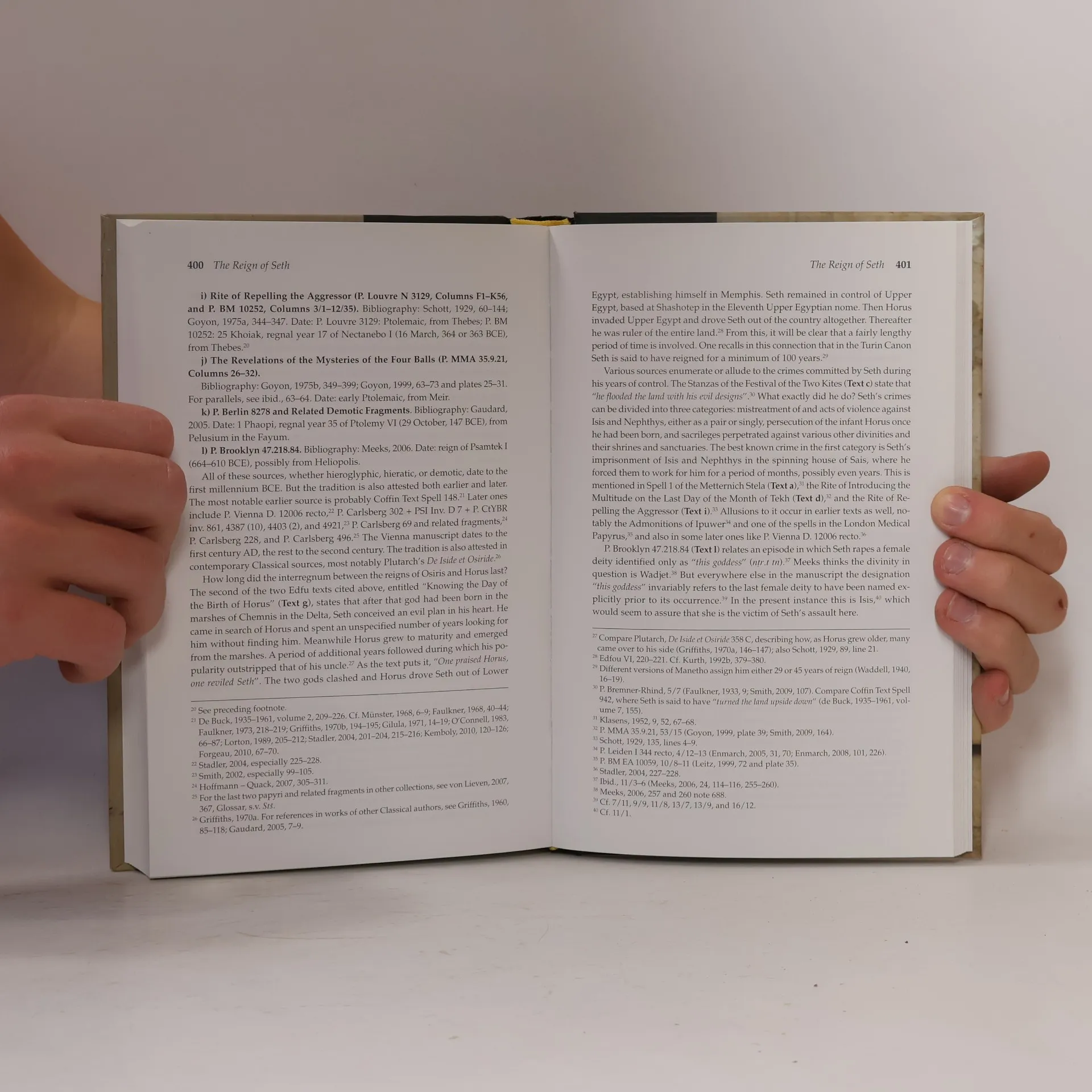
The first millennium BCE represents for Egypt a period of tremendous changes and developments on the political, social, economic and religious level. The millennium was shaped and characterised by a continuous interaction between Egypt as an independent political entity, with its indigenously developed social and religious system, and various political, military and cultural forces and influences introduced into the country, both through occupation and trade. Throughout the millennium one observes a conscious retrieval and interpretation of the past based on the traditions of the third and second millennium BCE in an attempt to preserve the country's cultural identity in the face of foreign influences and occupation. As a result, new religious and social concepts developed, which were incorporated in the ideological and administrative spheres of the centralised state and manifested themselves in art, architecture, language and religion. In early September 2009, the Czech Institute of Egyptology of the Charles University in Prague hosted an international workshop dedicated specifically to social and religious developments in Egypt in the course of the first millennium BCE. The volume at hand contains 20 of the papers presented at the workshop.
Book purchase
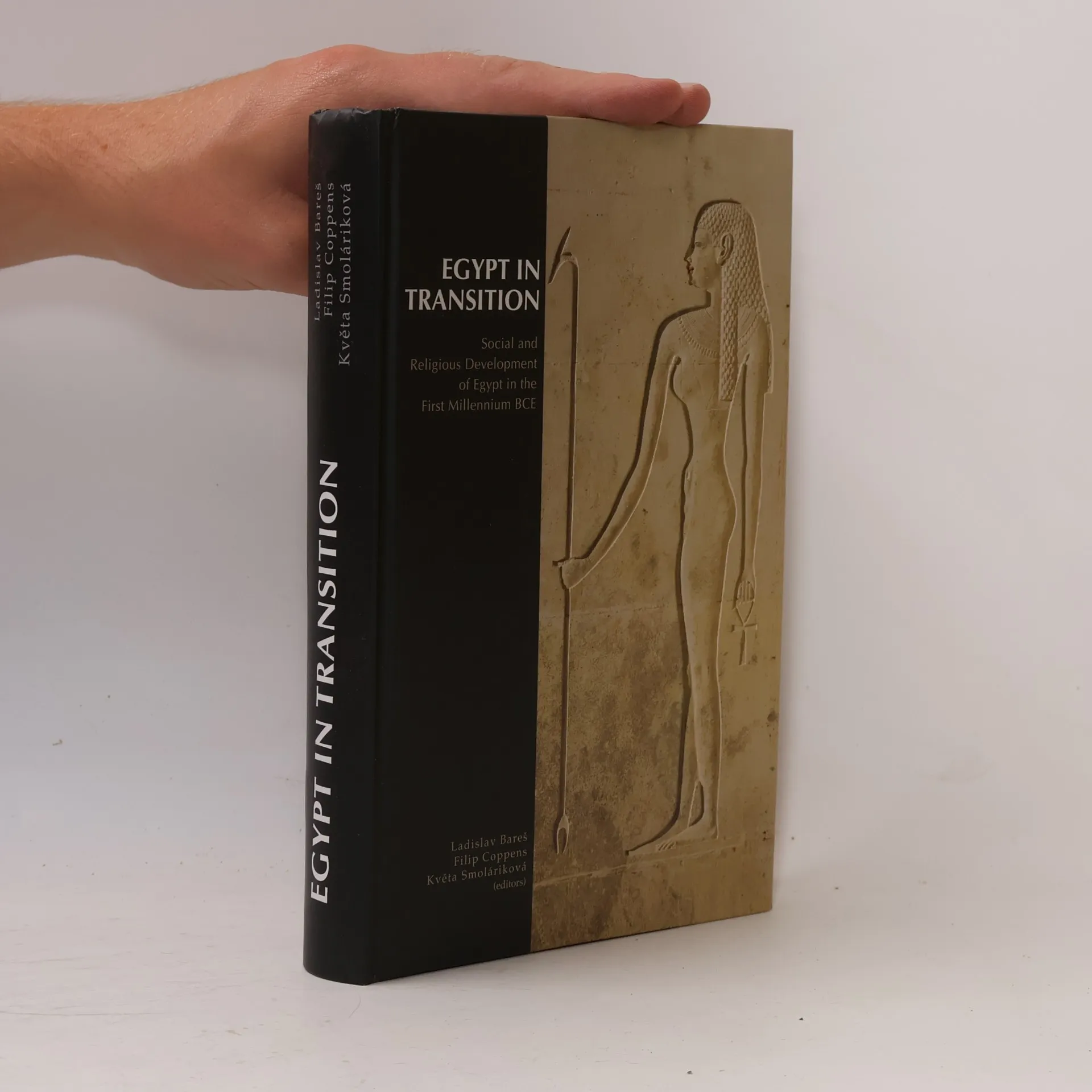
Egypt In Transition, Ladislav Bareš, Philip Coppens, Květa Smoláriková
- Language
- Released
- 2010
- Binding
- (Hardcover)
Payment methods
No one has rated yet.
- Title
- Egypt In Transition
- Subtitle
- Social And Religious Development Of Egypt In The First Millennium BCE: Proceedings Of An International Conference: Prague, September 1-4, 2009
- Released
- 2010
- Format
- Hardcover
- Pages
- 501
- ISBN10
- 8073083345
- ISBN13
- 9788073083342
- Series
- Categories
- Tags
- Historical Themes, Religious Topics, Ancient History, Egypt, Ancient Egypt, Conference Proceedings, Civilization, Egyptology
- Description
- The first millennium BCE represents for Egypt a period of tremendous changes and developments on the political, social, economic and religious level. The millennium was shaped and characterised by a continuous interaction between Egypt as an independent political entity, with its indigenously developed social and religious system, and various political, military and cultural forces and influences introduced into the country, both through occupation and trade. Throughout the millennium one observes a conscious retrieval and interpretation of the past based on the traditions of the third and second millennium BCE in an attempt to preserve the country's cultural identity in the face of foreign influences and occupation. As a result, new religious and social concepts developed, which were incorporated in the ideological and administrative spheres of the centralised state and manifested themselves in art, architecture, language and religion. In early September 2009, the Czech Institute of Egyptology of the Charles University in Prague hosted an international workshop dedicated specifically to social and religious developments in Egypt in the course of the first millennium BCE. The volume at hand contains 20 of the papers presented at the workshop.