



Parameters
- 456 pages
- 16 hours of reading
More about the book
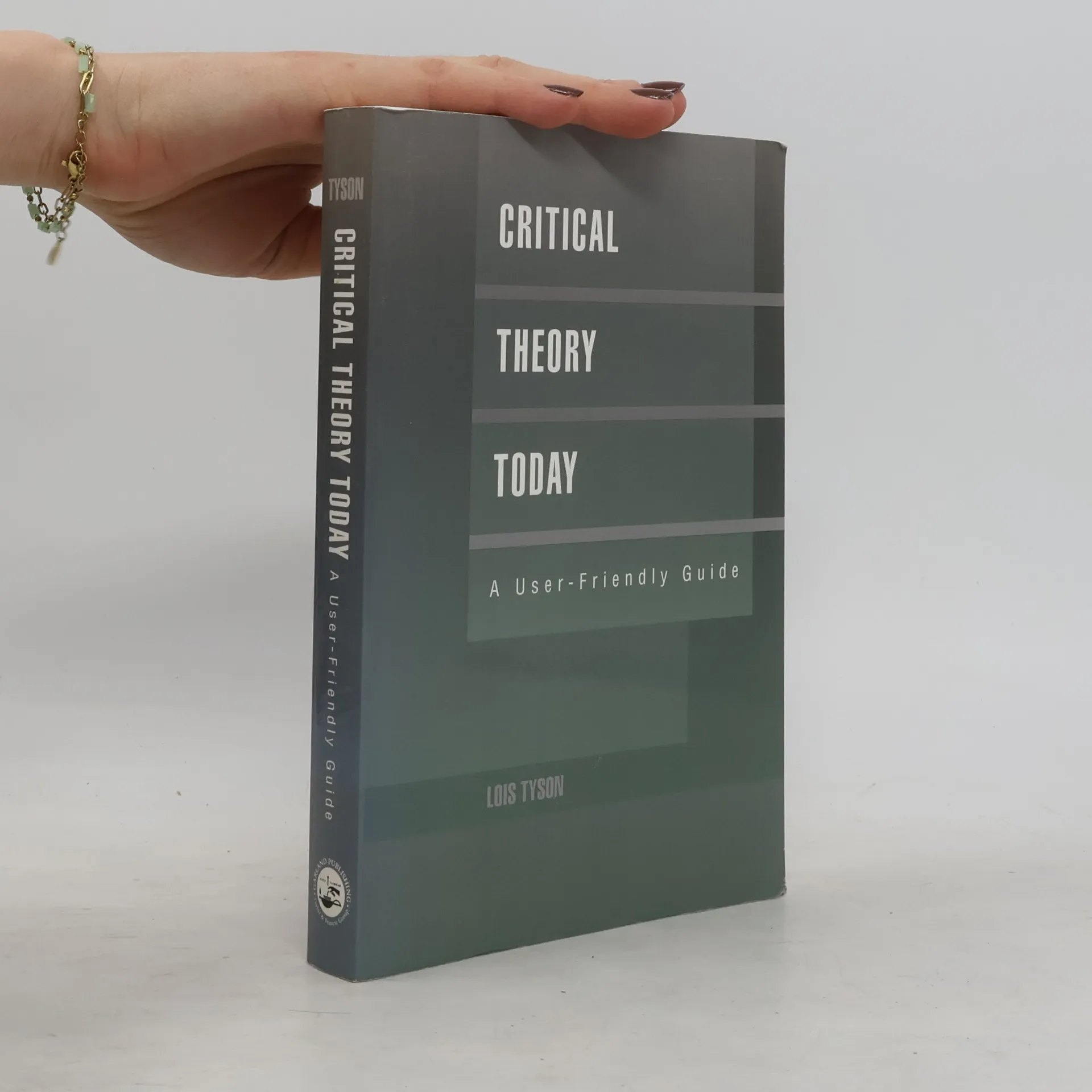
This accessible guide offers a thorough introduction to contemporary critical theory. It provides in-depth coverage of the most common approaches to literary analysis today: feminism, psychoanalysis, Marxism, reader-response theory, new criticism, structuralism and semiotics, deconstruction, new historicism, cultural criticism, lesbian/gay/queer theory, African-American criticism, and postcolonial criticism. The chapters provide an extended explanation of each theory, using examples from everyday life, popular culture, and literary texts; a list of specific questions critics who use that theory ask about literary texts; an interpretation of F. Scott Fitzgerald's The Great Gatsby through the lens of each theory; a list of questions for further practice to guide readers in applying each theory to different literary works; and a bibliography of primary and secondary works for further reading.
Book purchase
Critical Theory Today, Lois Tyson
- Language

- Released
- 1998
- Binding
- (Paperback)
Payment methods
No one has rated yet.
- Title
- Critical Theory Today
- Subtitle
- A User-Friendly Guide
- Language
- English
- Authors
- Lois Tyson
- Publisher
- Routledge
- Released
- 1998
- Format
- Paperback
- Pages
- 456
- ISBN10
- 0815328796
- ISBN13
- 9780815328797
- Series
- Tags
- References & Manuals, USA, School, Literary Criticism, Scientific Theories, Criticism, Literary Theory
- Description
- This accessible guide offers a thorough introduction to contemporary critical theory. It provides in-depth coverage of the most common approaches to literary analysis today: feminism, psychoanalysis, Marxism, reader-response theory, new criticism, structuralism and semiotics, deconstruction, new historicism, cultural criticism, lesbian/gay/queer theory, African-American criticism, and postcolonial criticism. The chapters provide an extended explanation of each theory, using examples from everyday life, popular culture, and literary texts; a list of specific questions critics who use that theory ask about literary texts; an interpretation of F. Scott Fitzgerald's The Great Gatsby through the lens of each theory; a list of questions for further practice to guide readers in applying each theory to different literary works; and a bibliography of primary and secondary works for further reading.