

More about the book
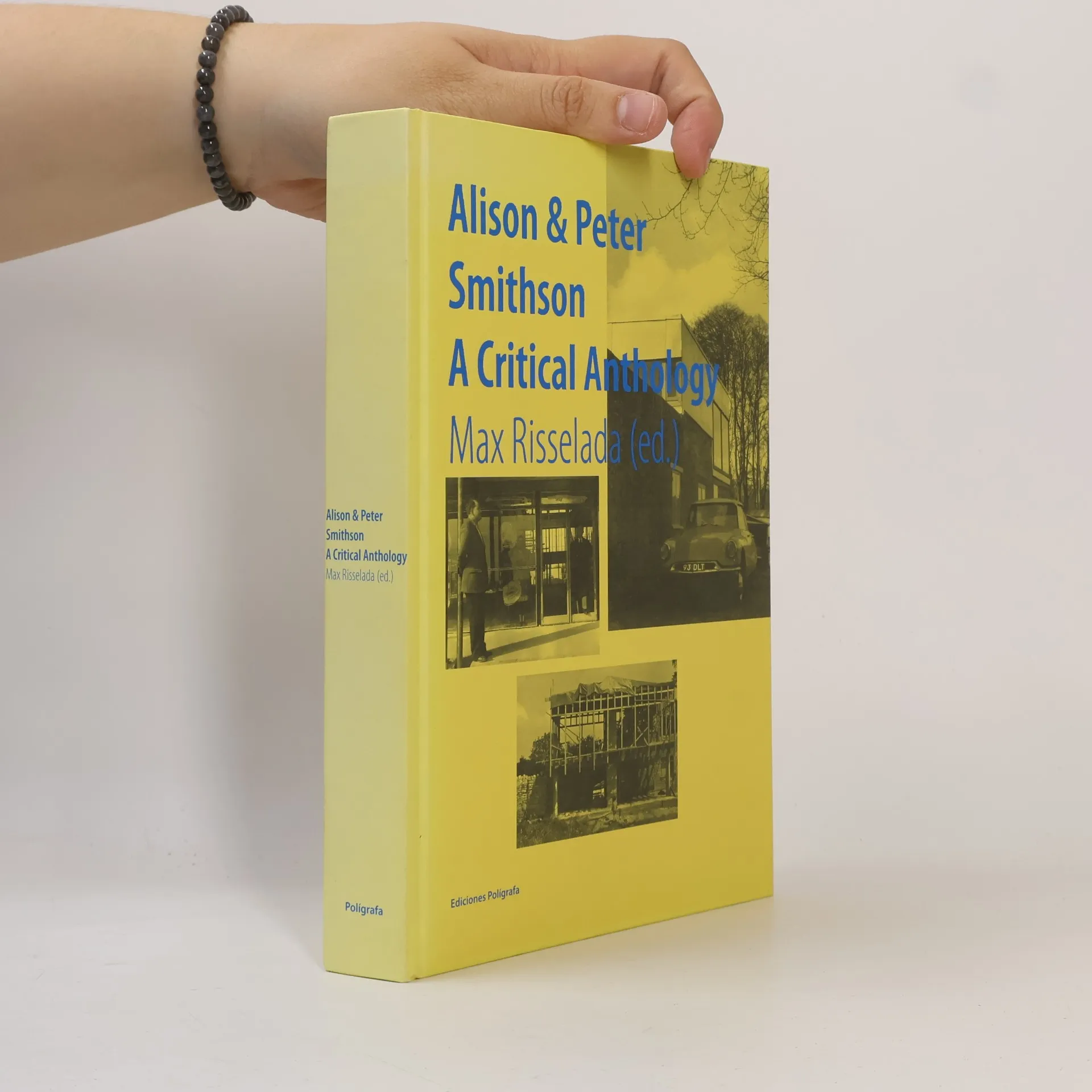
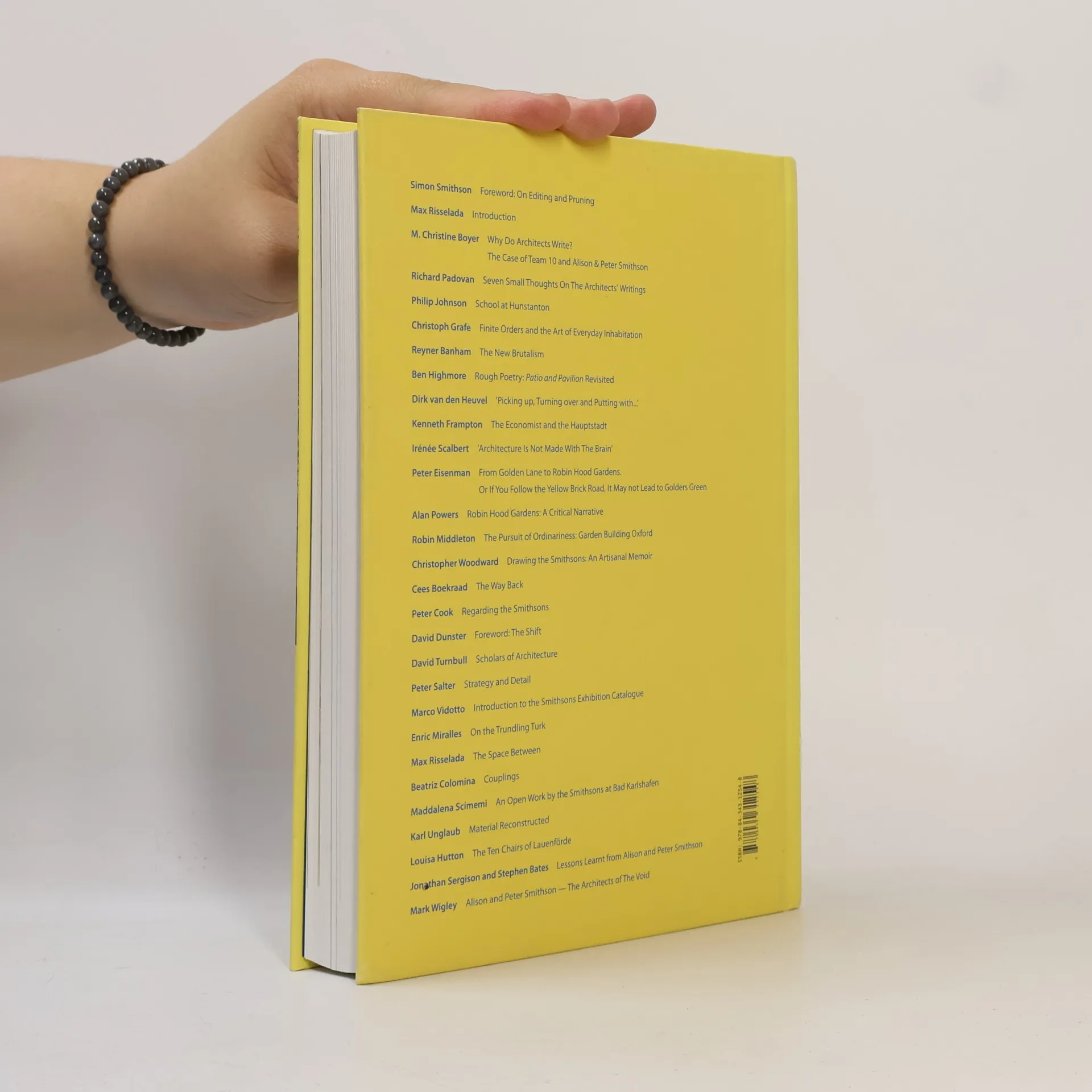
Adapting modernist ideals to postwar reconstruction in Britain, Alison and Peter Smithson emerged as influential and controversial architects in the latter half of the twentieth century. As younger members of CIAM and founding members of Team 10, they were central to the debate on modern architecture's future. Their Hunstanton Secondary Modern School (1949-1954) exemplified their approach, stripping down Mies van der Rohe's language to a rough simplicity and marking their emergence as leading figures of New Brutalism, a term they coined. Involved with the Independent Group alongside notable artists, they participated in the landmark 1956 exhibition This Is Tomorrow, connecting with the Pop art movement in Britain. This beautifully produced volume compiles significant essays on their work, featuring contributions from Reyner Banham, Peter Cook, Kenneth Frampton, Philip Johnson, and more recent texts by Peter Eisenmann, Christine Boyer, Beatriz Colomina, and Louisa Hutton. As the first publication in Poligrafa's Critical Anthology series, it offers essential critical context for understanding New Brutalism's reception in England. The Smithsons, who met at Durham University and married in 1949, introduced a new construction style emphasizing concrete and angular geometries, with later works reflecting a socialist dimension through the exposure of interior functions.
Book purchase
Alison & Peter Smithson, Alison Smithson, Peter Smithson, Max Risselada, Peter Cook, Philip Johnson, Reyner Banham, Kenneth Frampton, Beatriz Colomina, Peter Eisenman, M Christine Boyer, Louisa Hutton
- Language

- Released
- 2011
- Binding
- (Hardcover),
- Book condition
- Good
- Price
- €64.99
Payment methods
No one has rated yet.
- Title
- Alison & Peter Smithson
- Subtitle
- A Critical Anthology
- Language
- English
- Authors
- Alison Smithson, Peter Smithson, Max Risselada, Peter Cook, Philip Johnson, Reyner Banham, Kenneth Frampton, Beatriz Colomina, Peter Eisenman, M Christine Boyer, Louisa Hutton
- Publisher
- Ediciones polígrafa
- Released
- 2011
- Format
- Hardcover
- Pages
- 368
- ISBN10
- 8434312549
- ISBN13
- 9788434312548
- Series
- Description
- Adapting modernist ideals to postwar reconstruction in Britain, Alison and Peter Smithson emerged as influential and controversial architects in the latter half of the twentieth century. As younger members of CIAM and founding members of Team 10, they were central to the debate on modern architecture's future. Their Hunstanton Secondary Modern School (1949-1954) exemplified their approach, stripping down Mies van der Rohe's language to a rough simplicity and marking their emergence as leading figures of New Brutalism, a term they coined. Involved with the Independent Group alongside notable artists, they participated in the landmark 1956 exhibition This Is Tomorrow, connecting with the Pop art movement in Britain. This beautifully produced volume compiles significant essays on their work, featuring contributions from Reyner Banham, Peter Cook, Kenneth Frampton, Philip Johnson, and more recent texts by Peter Eisenmann, Christine Boyer, Beatriz Colomina, and Louisa Hutton. As the first publication in Poligrafa's Critical Anthology series, it offers essential critical context for understanding New Brutalism's reception in England. The Smithsons, who met at Durham University and married in 1949, introduced a new construction style emphasizing concrete and angular geometries, with later works reflecting a socialist dimension through the exposure of interior functions.