


More about the book
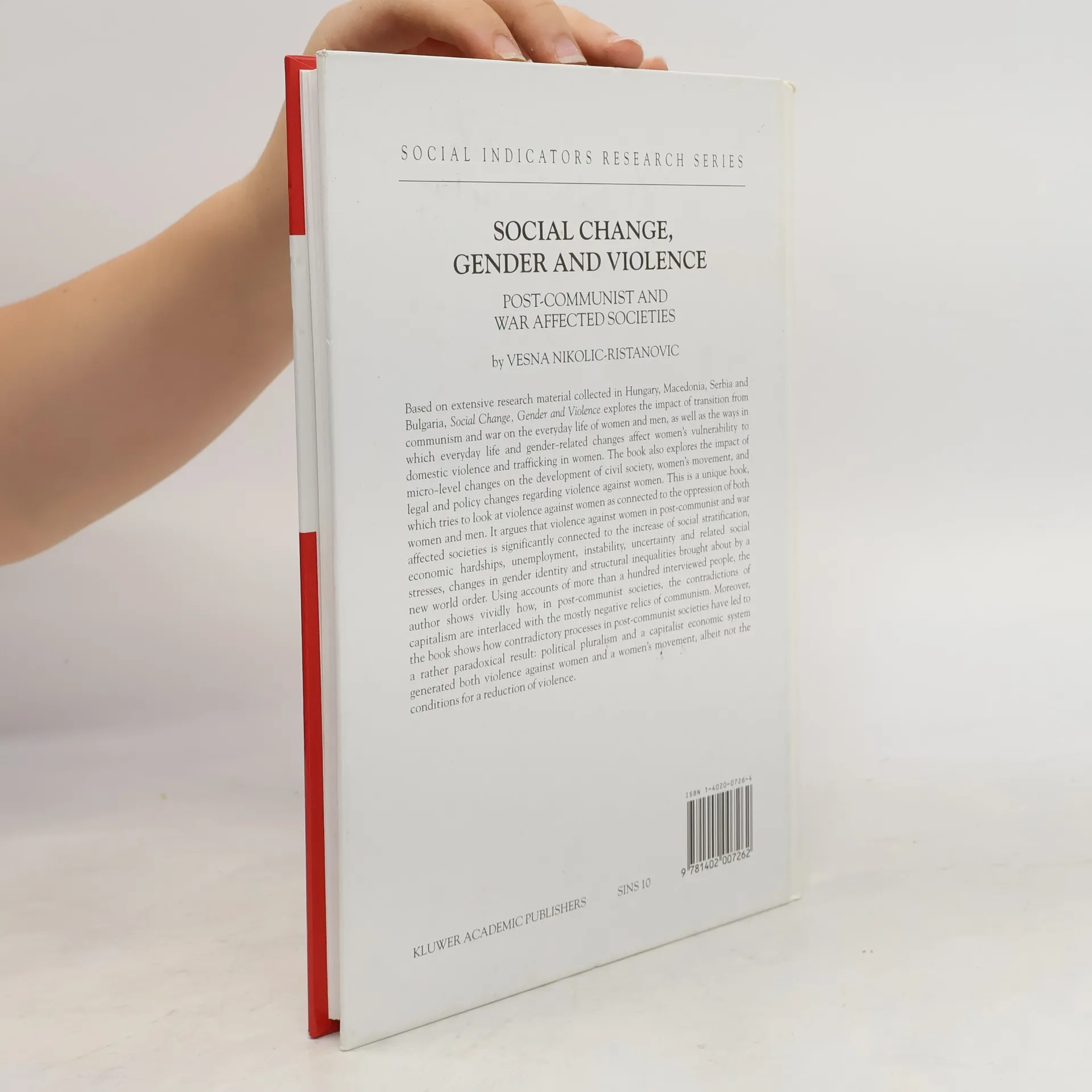
Based on extensive research conducted in Hungary, Macedonia, Serbia, and Bulgaria, this book investigates the effects of the transition from communism and war on the daily lives of women and men. It examines how these changes influence women's vulnerability to domestic violence and trafficking. Additionally, the work delves into the impact of micro-level changes on the development of civil society, the women's movement, and legal reforms addressing violence against women. This unique exploration connects violence against women to the oppression of both genders, arguing that in post-communist and war-affected societies, such violence is closely linked to rising social stratification, economic hardship, unemployment, and instability. These factors contribute to shifts in gender identity and structural inequalities arising from the new world order. Drawing on accounts from over a hundred interviews, the author illustrates how the contradictions of capitalism intertwine with the negative remnants of communism in post-communist societies. The book highlights how these conflicting processes have resulted in a paradoxical political pluralism and a capitalist economy that fosters both violence against women and a burgeoning women's movement, yet fails to create conditions conducive to reducing such violence.
Book purchase
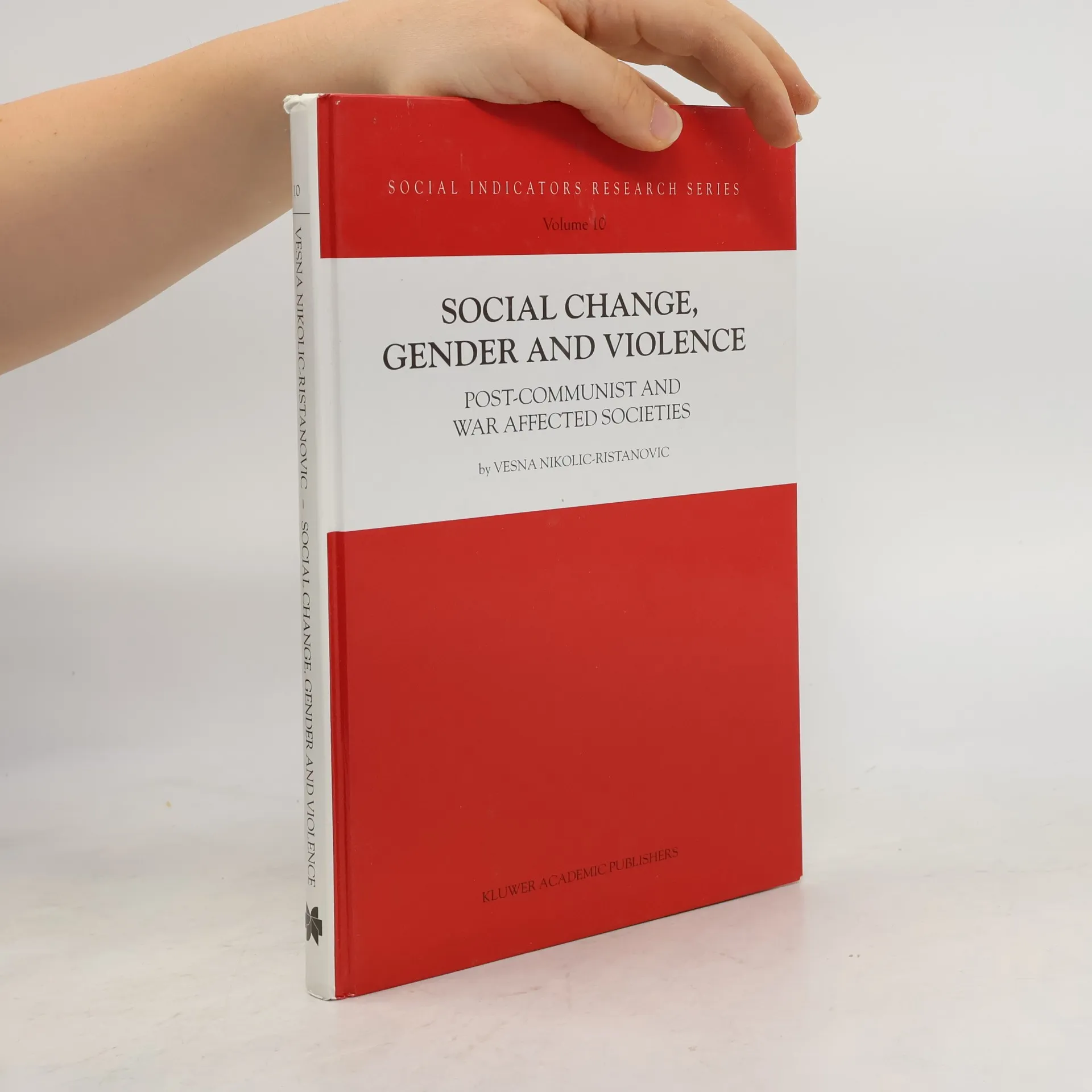
Social Indicators Research Series - 10: Social Change, Gender and Violence, Vesna Nikolić-Ristanović
- Language

- Released
- 2002
- Binding
- (Hardcover)
Payment methods
No one has rated yet.
- Title
- Social Indicators Research Series - 10: Social Change, Gender and Violence
- Subtitle
- Post-Communist and War Affected Societies
- Language
- English
- Authors
- Vesna Nikolić-Ristanović
- Publisher
- Springer
- Released
- 2002
- Format
- Hardcover
- Pages
- 218
- ISBN10
- 1402007264
- ISBN13
- 9781402007262
- Series
- Categories
- Tags
- Legal Topics, Women, Medicine, Professional Literature, Society, Sexuality & Intimacy, Healthcare, Violence, Research, Western Europe, Gender, Crime Rate, Statistics, Hungary, Criminal Law, Forensic Medicine, Criminology, Bulgaria, Social Conditions, Serbia, Social Change, Health Education, Macedonia, Sociological Aspects, Women and War, North Macedonia, War and Society
- Description
- Based on extensive research conducted in Hungary, Macedonia, Serbia, and Bulgaria, this book investigates the effects of the transition from communism and war on the daily lives of women and men. It examines how these changes influence women's vulnerability to domestic violence and trafficking. Additionally, the work delves into the impact of micro-level changes on the development of civil society, the women's movement, and legal reforms addressing violence against women. This unique exploration connects violence against women to the oppression of both genders, arguing that in post-communist and war-affected societies, such violence is closely linked to rising social stratification, economic hardship, unemployment, and instability. These factors contribute to shifts in gender identity and structural inequalities arising from the new world order. Drawing on accounts from over a hundred interviews, the author illustrates how the contradictions of capitalism intertwine with the negative remnants of communism in post-communist societies. The book highlights how these conflicting processes have resulted in a paradoxical political pluralism and a capitalist economy that fosters both violence against women and a burgeoning women's movement, yet fails to create conditions conducive to reducing such violence.