

More about the book
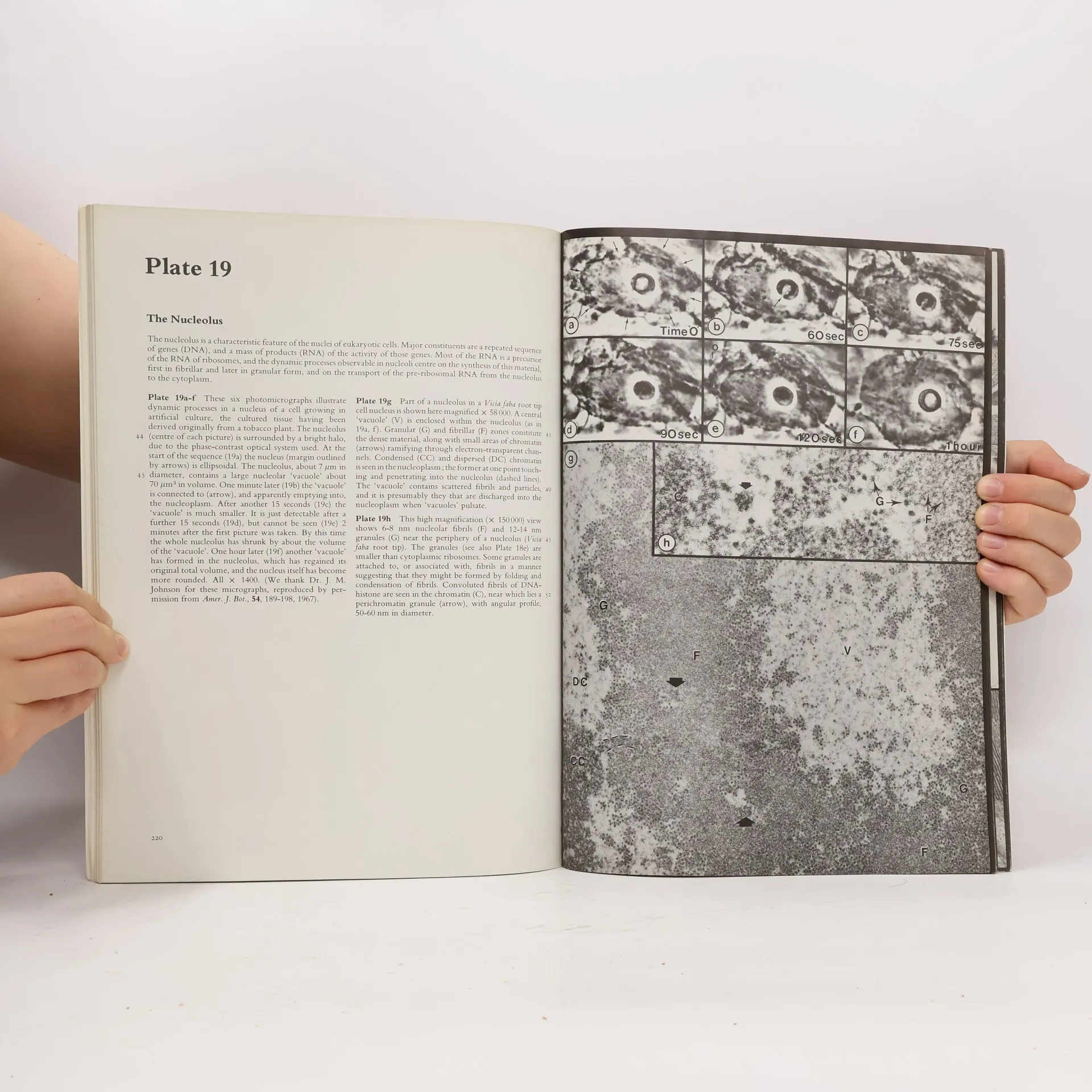
The plant cell encompasses various structures and processes critical to its function. Light microscopy reveals intricate details, including the plasma membrane and microfibrils in the cell wall. Xylem development is illustrated through stages of both immature and mature elements, while phloem features sieve elements and companion cells, along with sieve plates and pores. The role of wax and cuticle, capitate glands, and pollen grain development is also examined. Key cellular components such as plasmodesmata, pits, vacuoles, and the nuclear envelope with its pores are highlighted. The endoplasmic reticulum and polyribosomes are crucial for protein synthesis, particularly in cotyledon cells, while the cytoplasm of tapetal cells and smooth endoplasmic reticulum in 'farina' glands are discussed. The relationship between dictyosomes, endoplasmic reticulum, and the nuclear envelope is explored, alongside the golgi apparatus's role in mucilage secretion by root cap cells. Mitochondrial structure and function are detailed, along with a comprehensive look at plastids, including proplastids, chloroplasts, and their development. The greening process from etioplasts to chloroplasts, as well as the roles of amyloplasts and chromoplasts, are examined. Additionally, microbodies, cortical microtubules, and the dynamics of cell division are covered, providing a thorough understanding of plant cell structure and intercellular function.
Book purchase
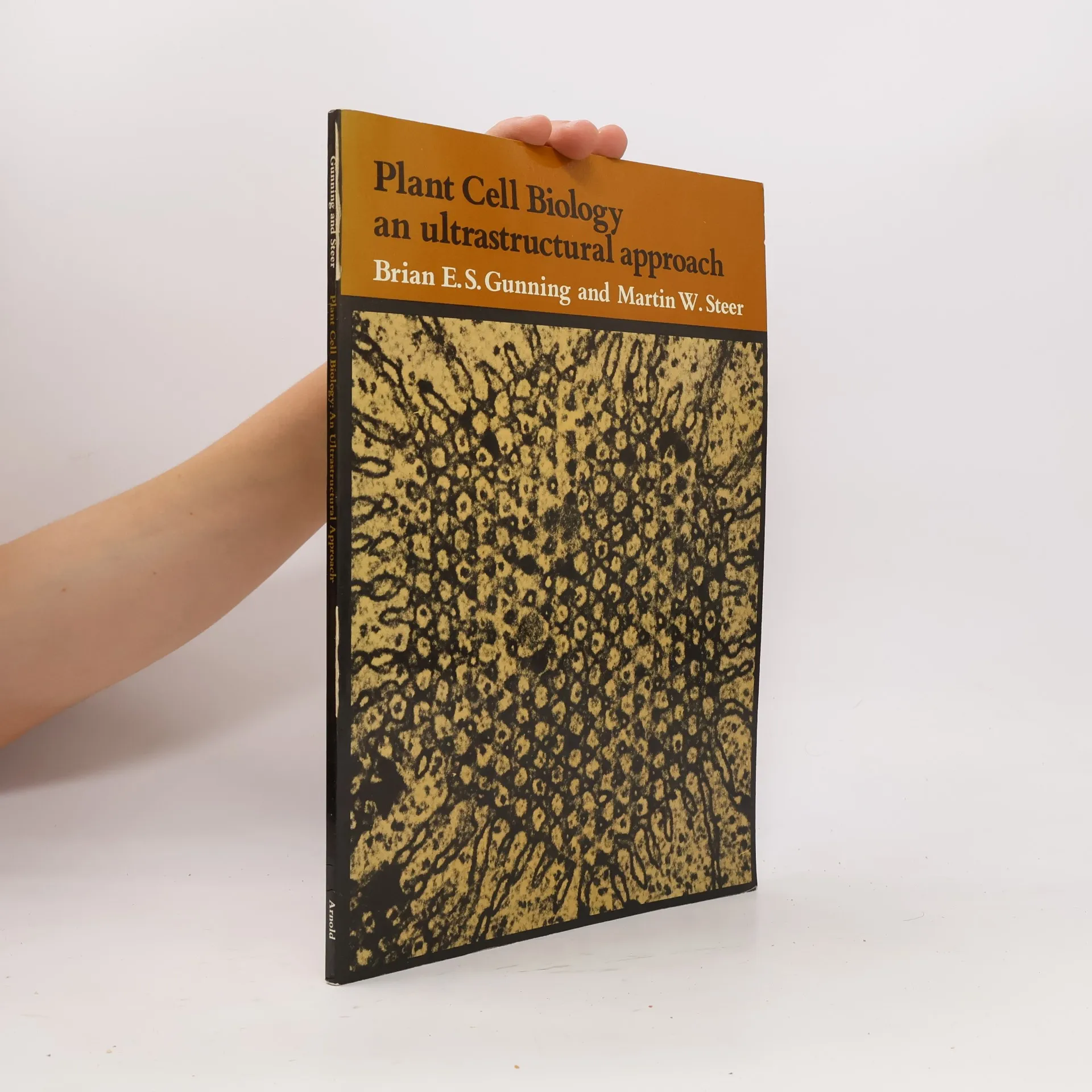
Plant Cell Biology, Brian E. S. Gunning, Martin W. Steer
- Language

- Released
- 1975
- Binding
- (Hardcover),
- Book condition
- Good
- Price
- €7.79
Payment methods
No one has rated yet.
- Title
- Plant Cell Biology
- Subtitle
- An Ultrastructural Approach
- Language
- English
- Authors
- Brian E. S. Gunning, Martin W. Steer
- Publisher
- Hodder & Stoughton Educational
- Released
- 1975
- Format
- Hardcover
- Pages
- 104
- ISBN10
- 0713124954
- ISBN13
- 9780713124958
- Series
- Description
- The plant cell encompasses various structures and processes critical to its function. Light microscopy reveals intricate details, including the plasma membrane and microfibrils in the cell wall. Xylem development is illustrated through stages of both immature and mature elements, while phloem features sieve elements and companion cells, along with sieve plates and pores. The role of wax and cuticle, capitate glands, and pollen grain development is also examined. Key cellular components such as plasmodesmata, pits, vacuoles, and the nuclear envelope with its pores are highlighted. The endoplasmic reticulum and polyribosomes are crucial for protein synthesis, particularly in cotyledon cells, while the cytoplasm of tapetal cells and smooth endoplasmic reticulum in 'farina' glands are discussed. The relationship between dictyosomes, endoplasmic reticulum, and the nuclear envelope is explored, alongside the golgi apparatus's role in mucilage secretion by root cap cells. Mitochondrial structure and function are detailed, along with a comprehensive look at plastids, including proplastids, chloroplasts, and their development. The greening process from etioplasts to chloroplasts, as well as the roles of amyloplasts and chromoplasts, are examined. Additionally, microbodies, cortical microtubules, and the dynamics of cell division are covered, providing a thorough understanding of plant cell structure and intercellular function.