

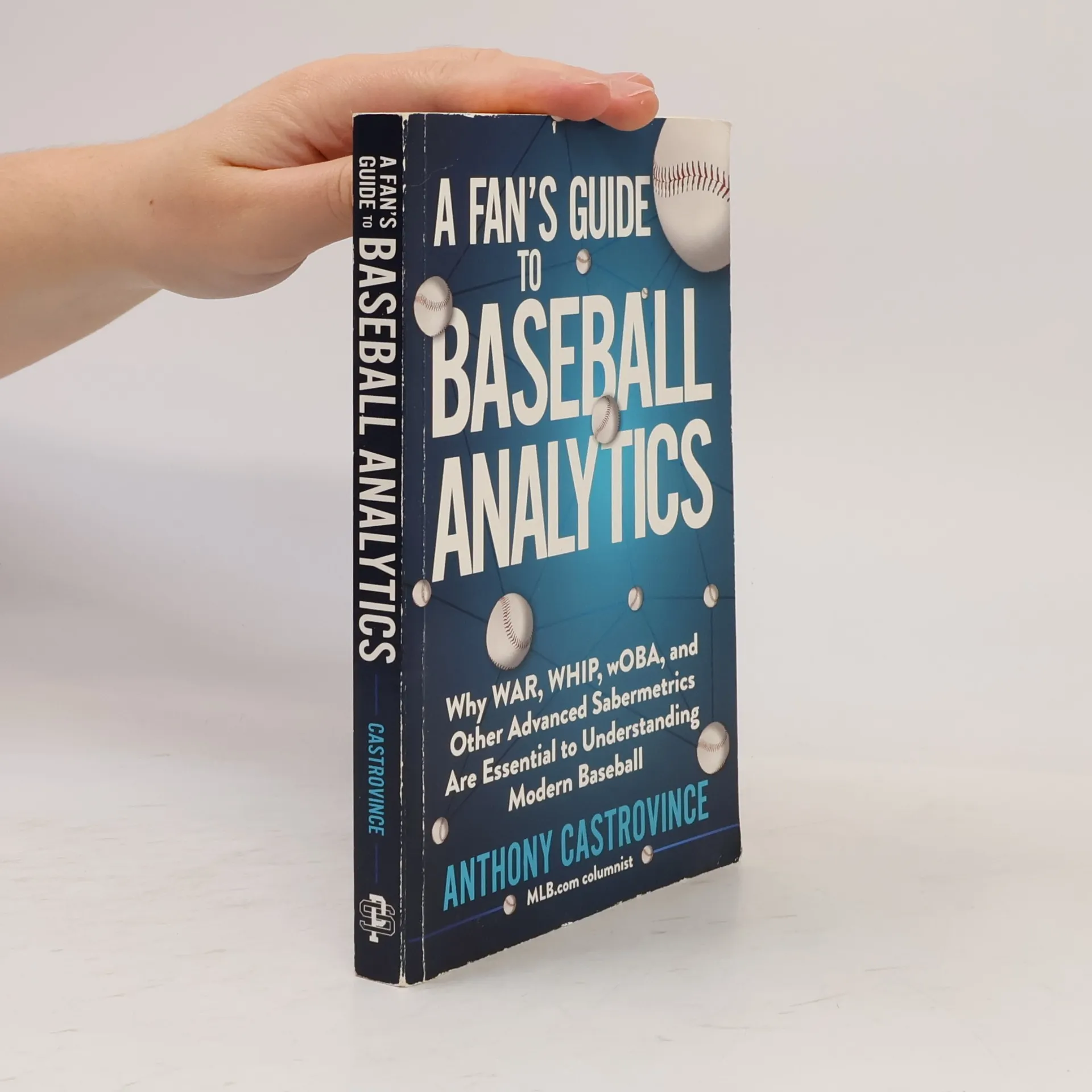
More about the book
Divided into sections on pitching, fielding, and hitting, this engaging guide demystifies the statistics shaping the future of baseball for fans of all ages. While traditional stats like a .300 batting average or a 20-game winner are familiar, modern metrics such as .390 wOBA and 1.2 WHIP may seem daunting. These advanced statistics are crucial for understanding the game today, yet many fans still rely on outdated measures like batting average and RBIs. In this resource, MLB.com reporter Anthony Castrovince serves as a guide, helping fans grasp why these new metrics matter. Readers will discover the origins and significance of statistics like wRC+, FIP, and WAR, enabling them to evaluate players from different eras more effectively. For example, during Joe DiMaggio's iconic 56-game hitting streak in 1941, Ted Williams may have been the more deserving MVP based on advanced metrics. This introductory course on sabermetrics offers a clear and accessible approach to understanding modern baseball analytics, making it a valuable reference for anyone looking to enhance their knowledge of the game.
Book purchase
A Fan's Guide to Baseball Analytics, Anthony Castrovince
- Language

- Released
- 2020
- Binding
- (Paperback)
Payment methods
No one has rated yet.
- Title
- A Fan's Guide to Baseball Analytics
- Subtitle
- Why WAR, WHIP, wOBA, and Other Advanced Sabermetrics Are Essential to Understanding Modern Baseball
- Language
- English
- Authors
- Anthony Castrovince
- Publisher
- Sports Publishing LLC
- Released
- 2020
- Format
- Paperback
- Pages
- 240
- ISBN10
- 1683583442
- ISBN13
- 9781683583448
- Series
- Categories
- Description
- Divided into sections on pitching, fielding, and hitting, this engaging guide demystifies the statistics shaping the future of baseball for fans of all ages. While traditional stats like a .300 batting average or a 20-game winner are familiar, modern metrics such as .390 wOBA and 1.2 WHIP may seem daunting. These advanced statistics are crucial for understanding the game today, yet many fans still rely on outdated measures like batting average and RBIs. In this resource, MLB.com reporter Anthony Castrovince serves as a guide, helping fans grasp why these new metrics matter. Readers will discover the origins and significance of statistics like wRC+, FIP, and WAR, enabling them to evaluate players from different eras more effectively. For example, during Joe DiMaggio's iconic 56-game hitting streak in 1941, Ted Williams may have been the more deserving MVP based on advanced metrics. This introductory course on sabermetrics offers a clear and accessible approach to understanding modern baseball analytics, making it a valuable reference for anyone looking to enhance their knowledge of the game.