

Parameters
- 221 pages
- 8 hours of reading
More about the book
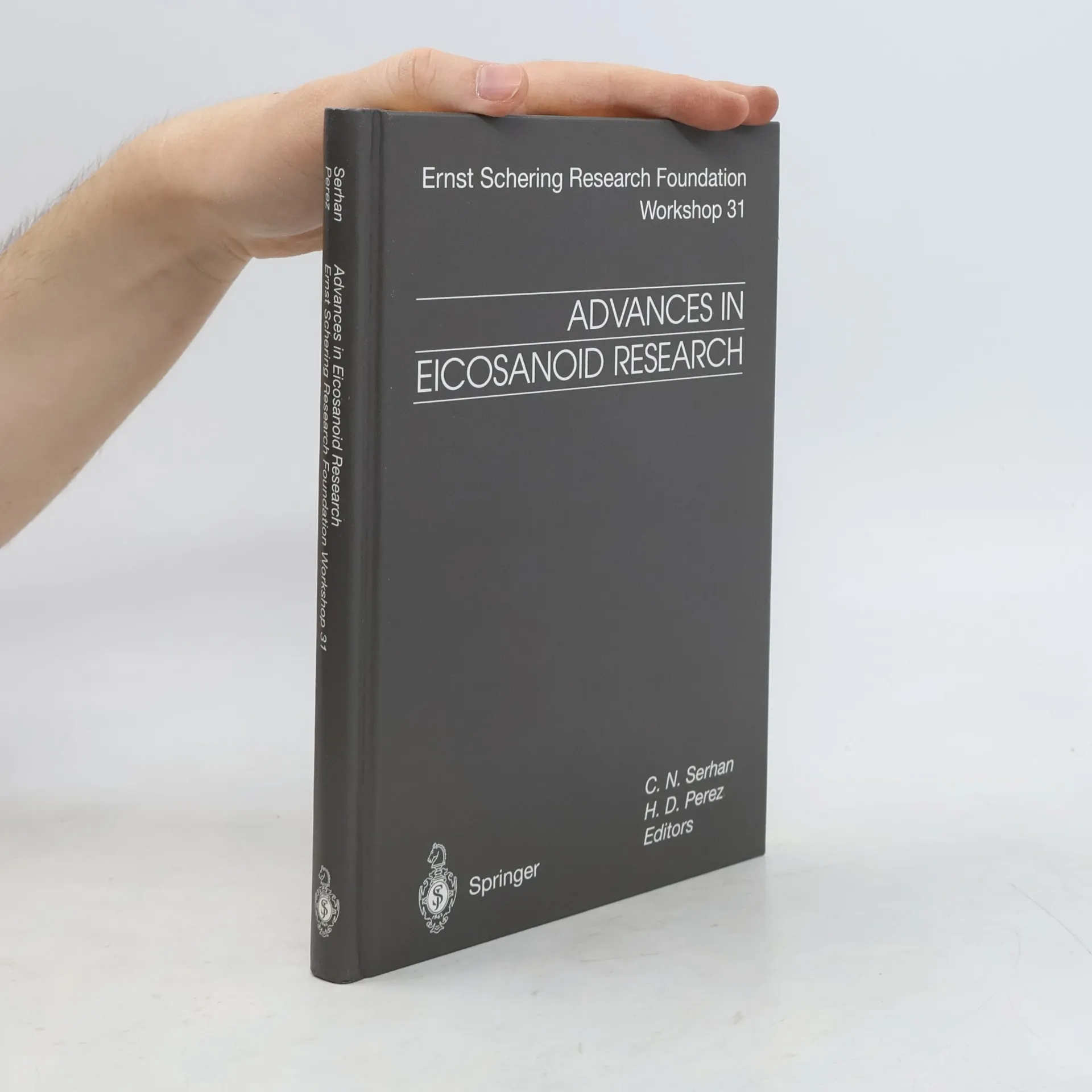
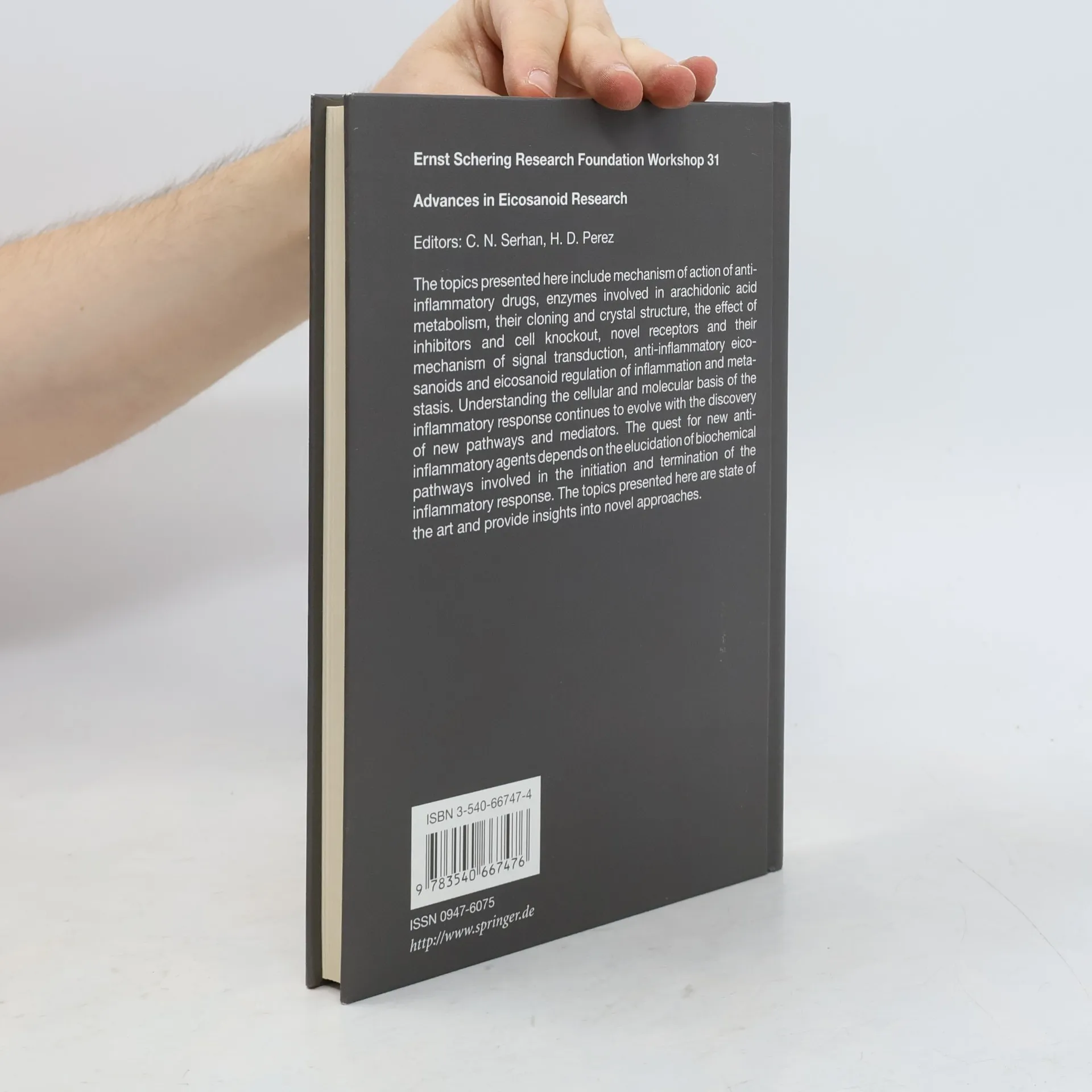
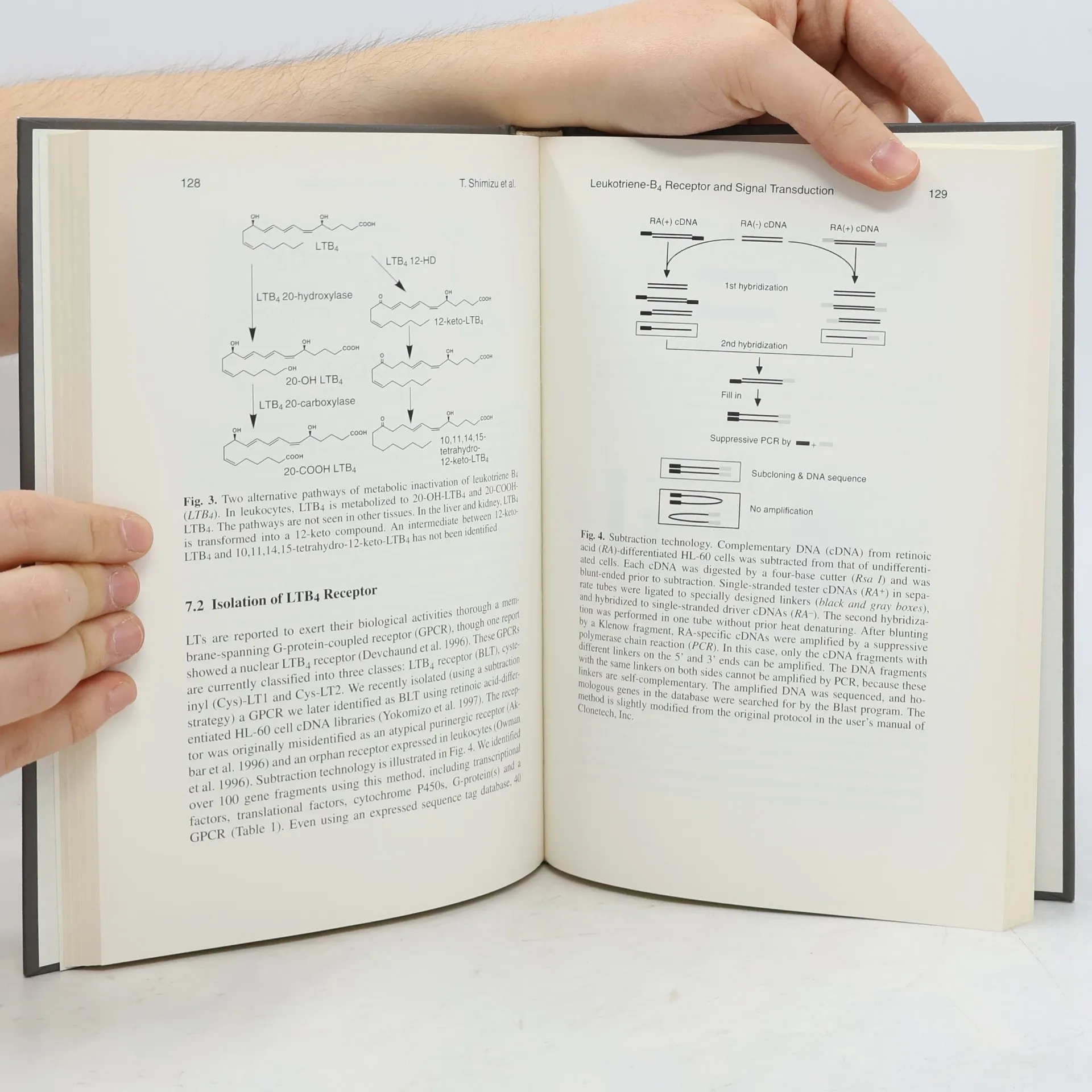
Over the last few years, we have witnessed tremendous progress in the field of eicosanoids and their therapeutic applications. Receptor an tagonists for leukotrienes have been tested as anti-inflammatories and are on the market as a treatment for asthma. Receptor agonists for pro stacyclin are being tested for the treatment of peripheral vascular dis ease, and selective inhibitors of cyclooxygenase type II were just ap proved for the treatment of rheumatoid arthritis. All these developments are the culmination of many years and man-hours of careful research. The field has now entered an upswing that will result in novel thera peutic applications within the next 10 years. New molecules and me diators have been identified, new enzymes and pathways elucidated and new therapeutic approaches have emerged. The concept of ei cosanoids as „pro-inflammatory“ molecules is being challenged, and their role as regulators is increasingly recognized. In fact, some of these molecules may be important endogenous anti-inflammatory agents.
Book purchase
Advances in eicosanoid research, Charles N. Serhan
- Language

- Released
- 2000
- Binding
- (Hardcover),
- Book condition
- Good
- Price
- €6.49
Payment methods
No one has rated yet.
- Title
- Advances in eicosanoid research
- Subtitle
- Advances in Eicosanoid Research
- Language
- English
- Authors
- Charles N. Serhan
- Publisher
- Springer
- Released
- 2000
- Format
- Hardcover
- Pages
- 221
- ISBN10
- 3540667474
- ISBN13
- 9783540667476
- Series
- Categories
- Tags
- Health & Medicine, Natural sciences, Science, Medicine, Western Europe, Microbiology, Biochemistry, Molecular Biology, Biotechnology, Immunology, Laboratory Techniques, Asthma
- Description
- Over the last few years, we have witnessed tremendous progress in the field of eicosanoids and their therapeutic applications. Receptor an tagonists for leukotrienes have been tested as anti-inflammatories and are on the market as a treatment for asthma. Receptor agonists for pro stacyclin are being tested for the treatment of peripheral vascular dis ease, and selective inhibitors of cyclooxygenase type II were just ap proved for the treatment of rheumatoid arthritis. All these developments are the culmination of many years and man-hours of careful research. The field has now entered an upswing that will result in novel thera peutic applications within the next 10 years. New molecules and me diators have been identified, new enzymes and pathways elucidated and new therapeutic approaches have emerged. The concept of ei cosanoids as „pro-inflammatory“ molecules is being challenged, and their role as regulators is increasingly recognized. In fact, some of these molecules may be important endogenous anti-inflammatory agents.