

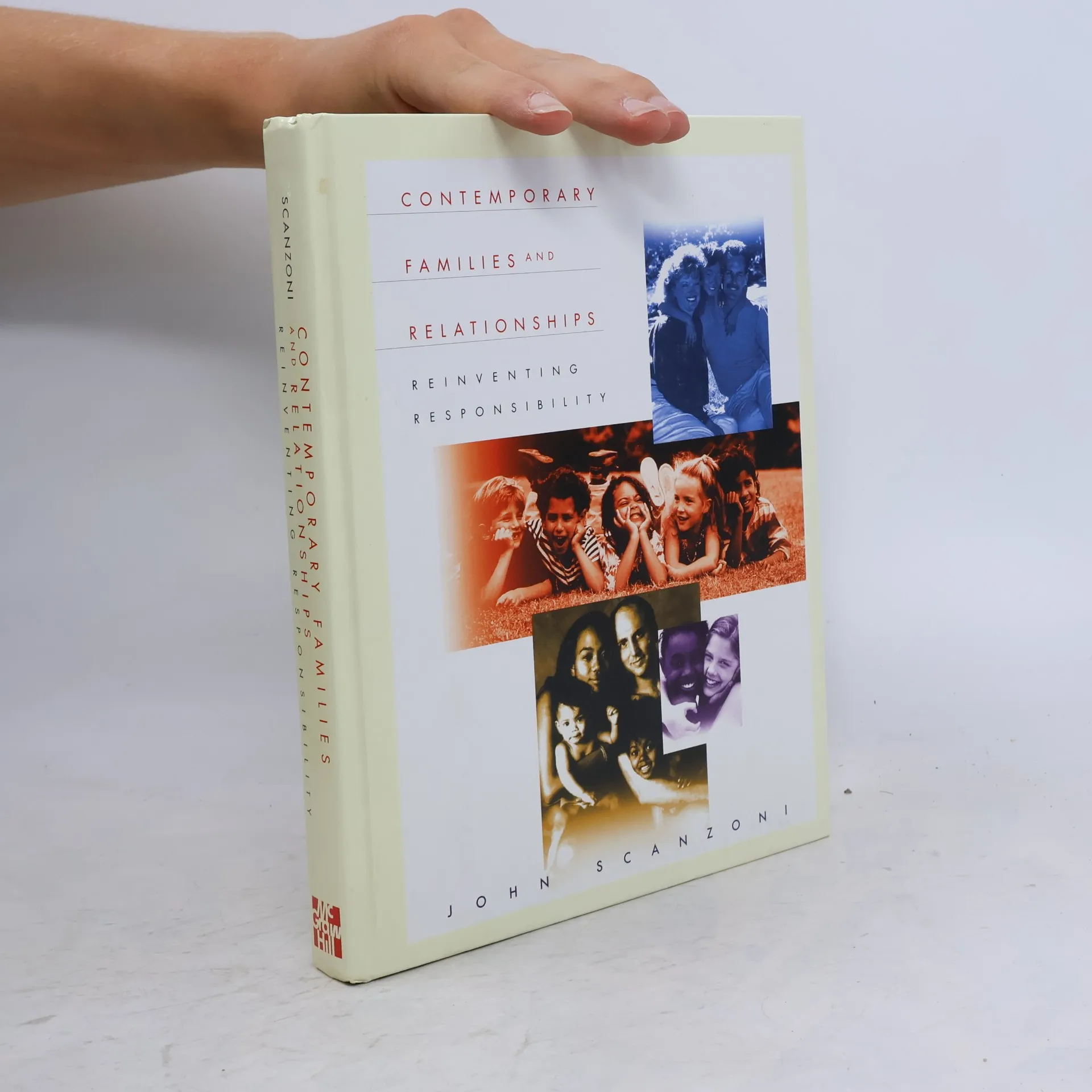

Contemporary Families and Relationships
Reinventing Responsibility
Authors
More about the book
Contemporary Families and Relationships makes extensive use of the New Action Theory, as Alexander calls it. Instead of focusing on structural-functionalism, the old action theory, which is based on the idea of static rules and norms required for a good society, this text is all about people's behavior in constructing fresh ways of doing things. This is reflected in the text's three gender, diversity, and development. The author has combined these themes and the new action theory to highlight the way adults and children alike are struggling to responsibly reinvent family in our changing society. The text begins by tracing the shifting definitions of family from the eighteenth century to today, paying particular attention to the 1960s--the decade many sociologists claim ushered in the decline of the nuclear family. Separate chapters are then devoted to modern issues of family such as singles, couples living together, and even the abuse of children.
Book purchase
Contemporary Families and Relationships, John H. Scanzoni
- Language

- Released
- 1995
- Binding
- (Hardcover),
- Book condition
- Good
- Price
- €10.49
Payment methods
No one has rated yet.
- Title
- Contemporary Families and Relationships
- Subtitle
- Reinventing Responsibility
- Language
- English
- Authors
- John H. Scanzoni
- Released
- 1995
- Format
- Hardcover
- Pages
- 474
- ISBN10
- 0070551332
- ISBN13
- 9780070551336
- Series
- Categories
- Description
- Contemporary Families and Relationships makes extensive use of the New Action Theory, as Alexander calls it. Instead of focusing on structural-functionalism, the old action theory, which is based on the idea of static rules and norms required for a good society, this text is all about people's behavior in constructing fresh ways of doing things. This is reflected in the text's three gender, diversity, and development. The author has combined these themes and the new action theory to highlight the way adults and children alike are struggling to responsibly reinvent family in our changing society. The text begins by tracing the shifting definitions of family from the eighteenth century to today, paying particular attention to the 1960s--the decade many sociologists claim ushered in the decline of the nuclear family. Separate chapters are then devoted to modern issues of family such as singles, couples living together, and even the abuse of children.