

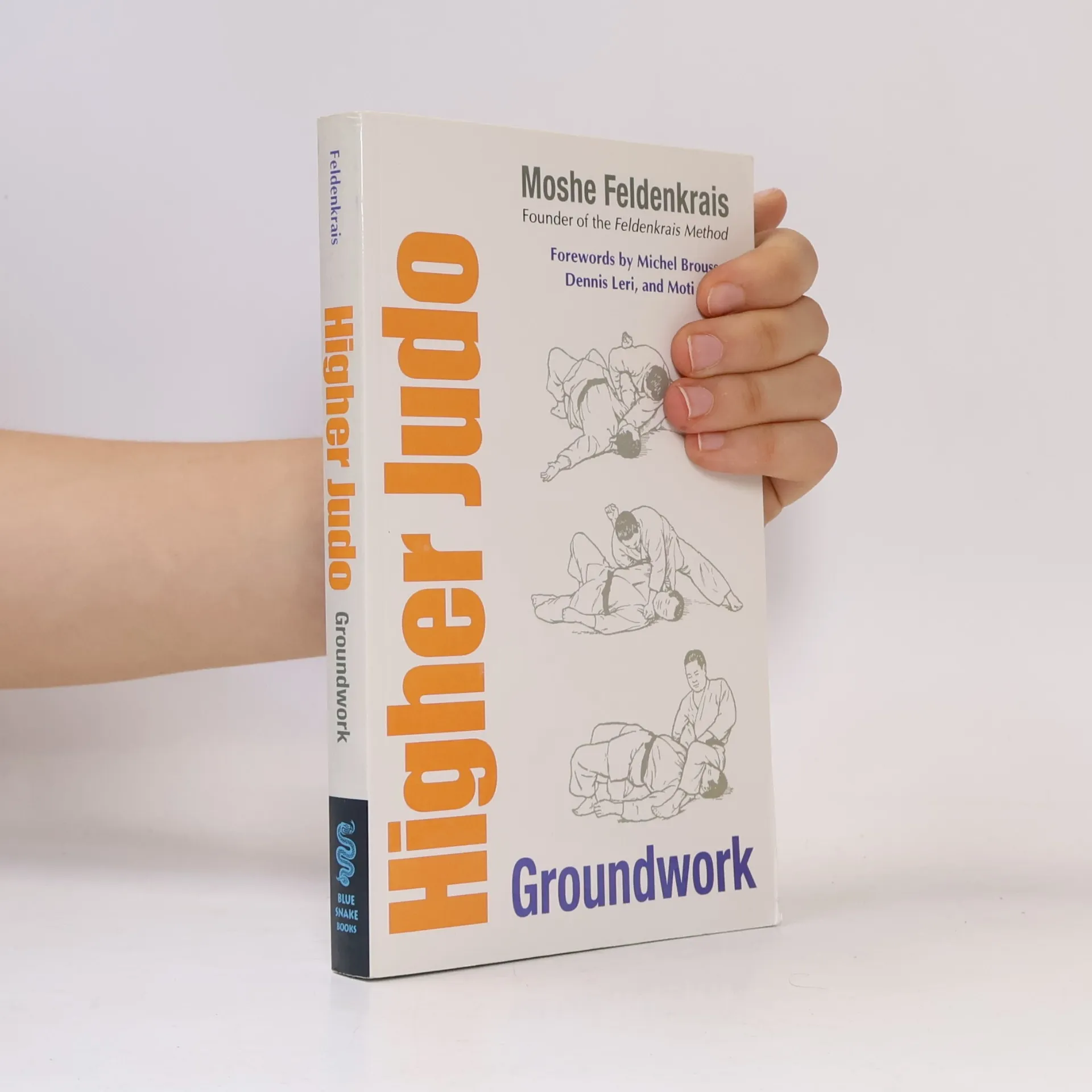

Higher Judo
Groundwork
More about the book
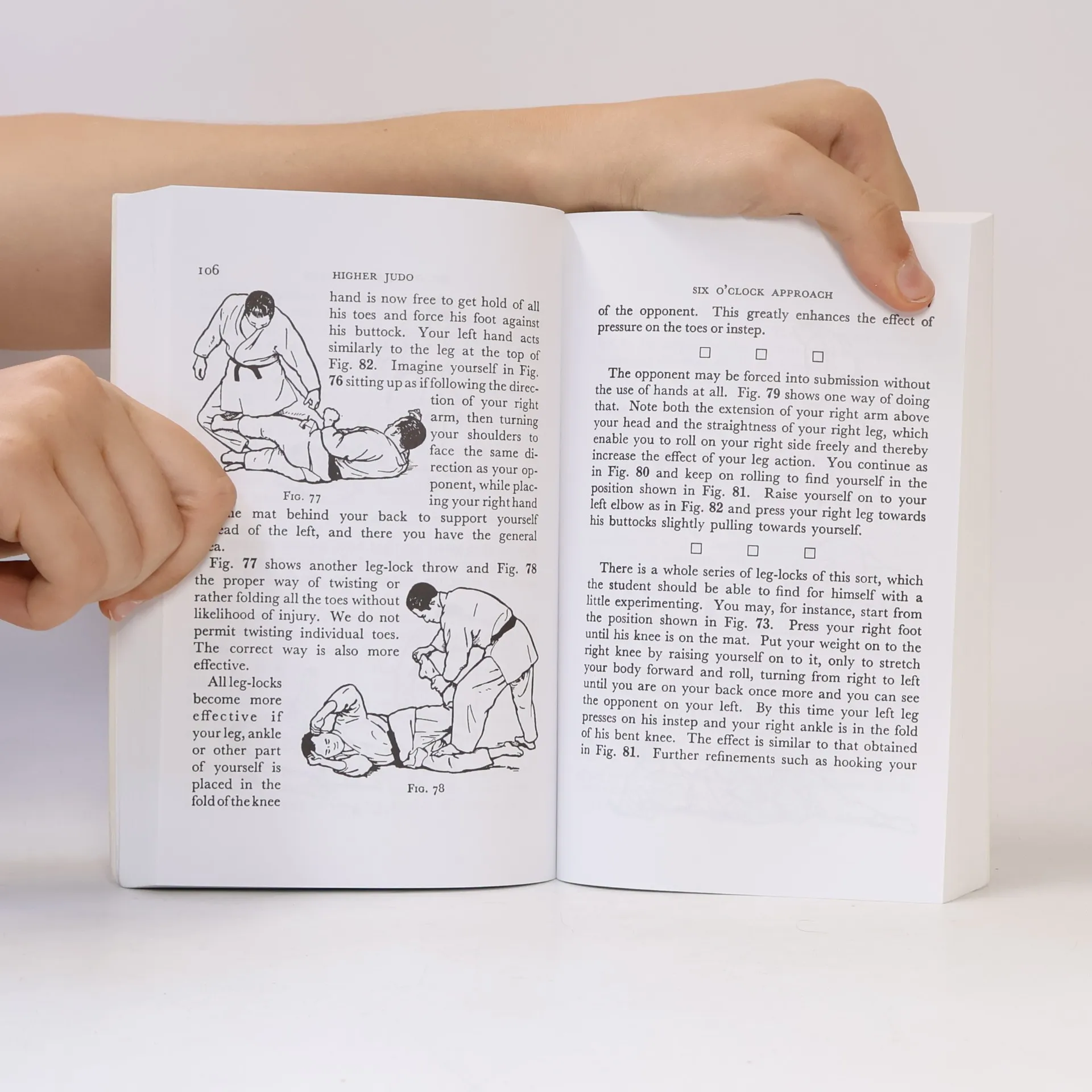
Dr. Moshe Feldenkrais is best known for pioneering the somatic therapy that bears his name. Less well known is that he was also one of the earliest European practitioners of the martial art of judo and wrote a number of influential texts on the subject. Primary among these is Higher Judo, first published in 1952 and now reprinted with a new foreword that offers useful context and elaborates on Feldenkrais’ comprehensive—and still timely—approach to the martial art and to the body. Judo was a natural choice for Feldenkrais’s fascination with body/mind exploration and how to promote optimal functioning through awareness. In Higher Judo, he presents judo as the art of using all parts of the body to promote general health, and as part of the “basic culture of the body.” He reveals judo’s potential for creating a sense of rhythm of movement and improving mental and physical coordination. Higher Judo covers specific movements and positions—the astride position, the six o’clock approach, falling techniques—in both the text and the clear line drawings. Even more importantly, it shows how such groundwork can help practitioners develop their mental and physical awareness to their full potential.
Book purchase
Higher Judo, Moshé Feldenkrais, Elizabeth Beringer, Michel Brousse, Dennis Leri
- Language

- Released
- 2010
- Binding
- (Paperback)
Payment methods
No one has rated yet.
- Title
- Higher Judo
- Subtitle
- Groundwork
- Language
- English
- Publisher
- North Atlantic Books
- Released
- 2010
- Format
- Paperback
- Pages
- 248
- ISBN10
- 155643927X
- ISBN13
- 9781556439278
- Series
- Categories
- Tags
- Health & Medicine, References & Manuals, Sports, USA, Health, Fitness, Training, Martial Arts, Samurais, Back Pain, Strength Training, Self-Defense, Karate, Tai Chi, Stretching, Judo, Aikido, Bushido, Taekwondo, Kickboxing, Jiu Jitsu
- Description
- Dr. Moshe Feldenkrais is best known for pioneering the somatic therapy that bears his name. Less well known is that he was also one of the earliest European practitioners of the martial art of judo and wrote a number of influential texts on the subject. Primary among these is Higher Judo, first published in 1952 and now reprinted with a new foreword that offers useful context and elaborates on Feldenkrais’ comprehensive—and still timely—approach to the martial art and to the body. Judo was a natural choice for Feldenkrais’s fascination with body/mind exploration and how to promote optimal functioning through awareness. In Higher Judo, he presents judo as the art of using all parts of the body to promote general health, and as part of the “basic culture of the body.” He reveals judo’s potential for creating a sense of rhythm of movement and improving mental and physical coordination. Higher Judo covers specific movements and positions—the astride position, the six o’clock approach, falling techniques—in both the text and the clear line drawings. Even more importantly, it shows how such groundwork can help practitioners develop their mental and physical awareness to their full potential.